Do You Need a NOAA Weather Radio If You Have Phone Alerts?
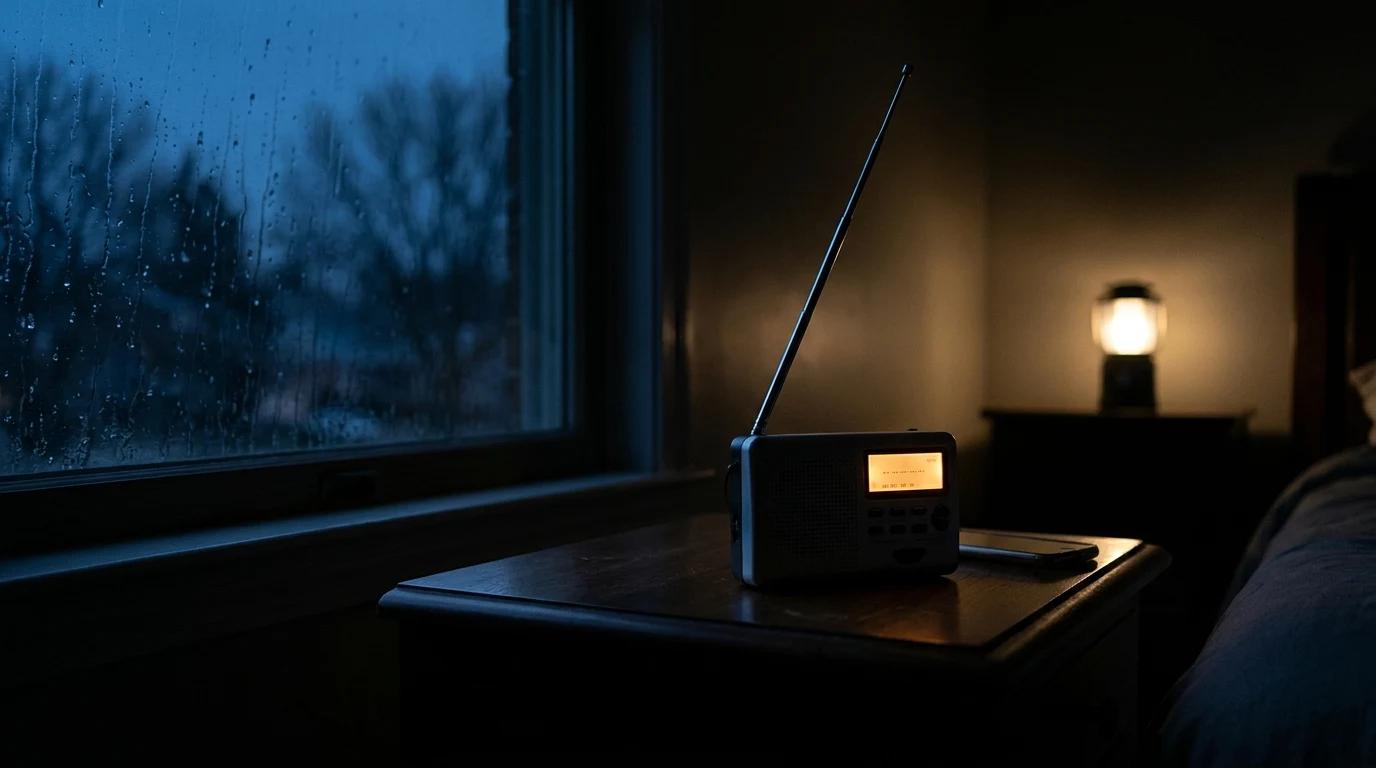
Phone alerts cover tornadoes and hurricanes but skip ice storm and winter storm warnings; an alert radio covers them and wakes you at night.
5 min read
Answer first, arithmetic shown, safety facts sourced.
Phone alerts cover tornadoes and hurricanes but skip ice storm and winter storm warnings; an alert radio covers them and wakes you at night.
5 min read
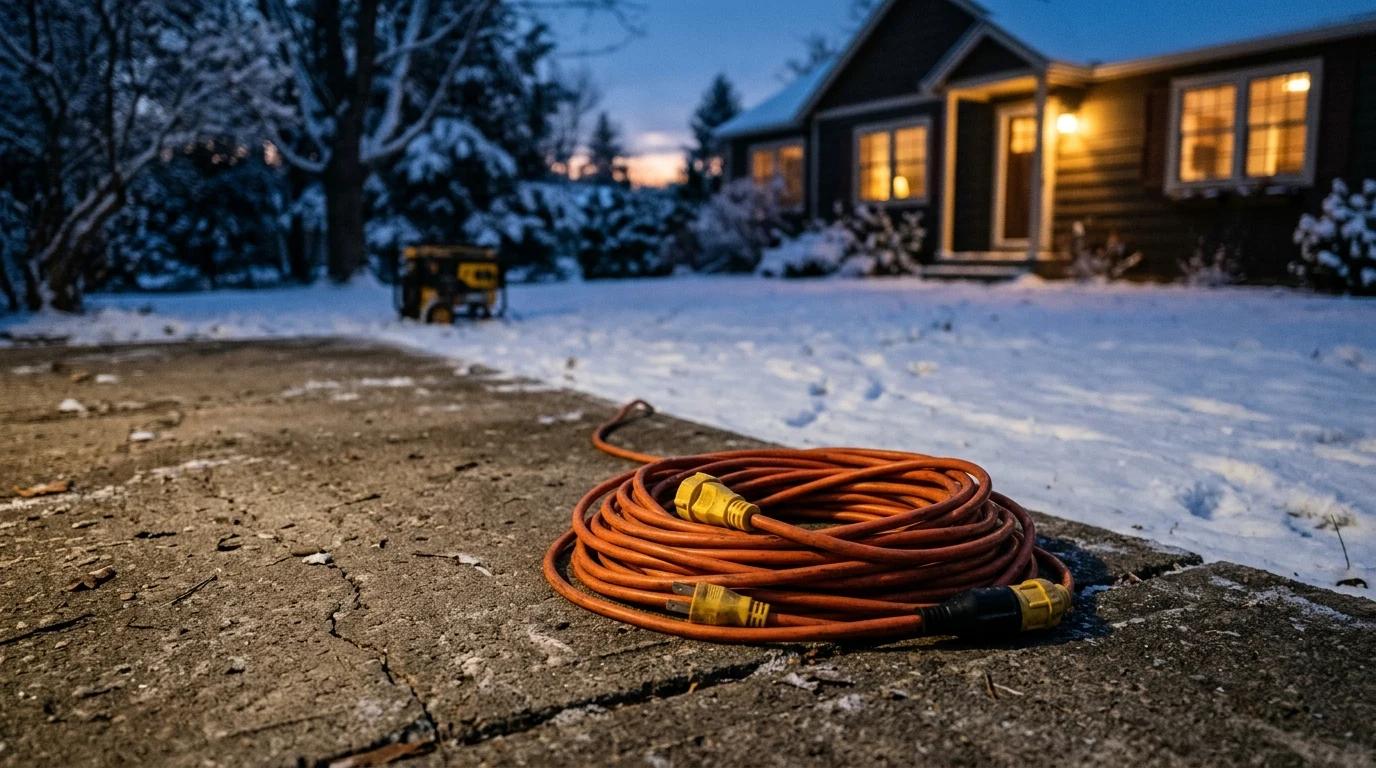
Twelve gauge covers most generator loads to 50 feet; 100 feet or 16 to 20 amps needs 10 gauge. The voltage-drop math is shown.
6 min read
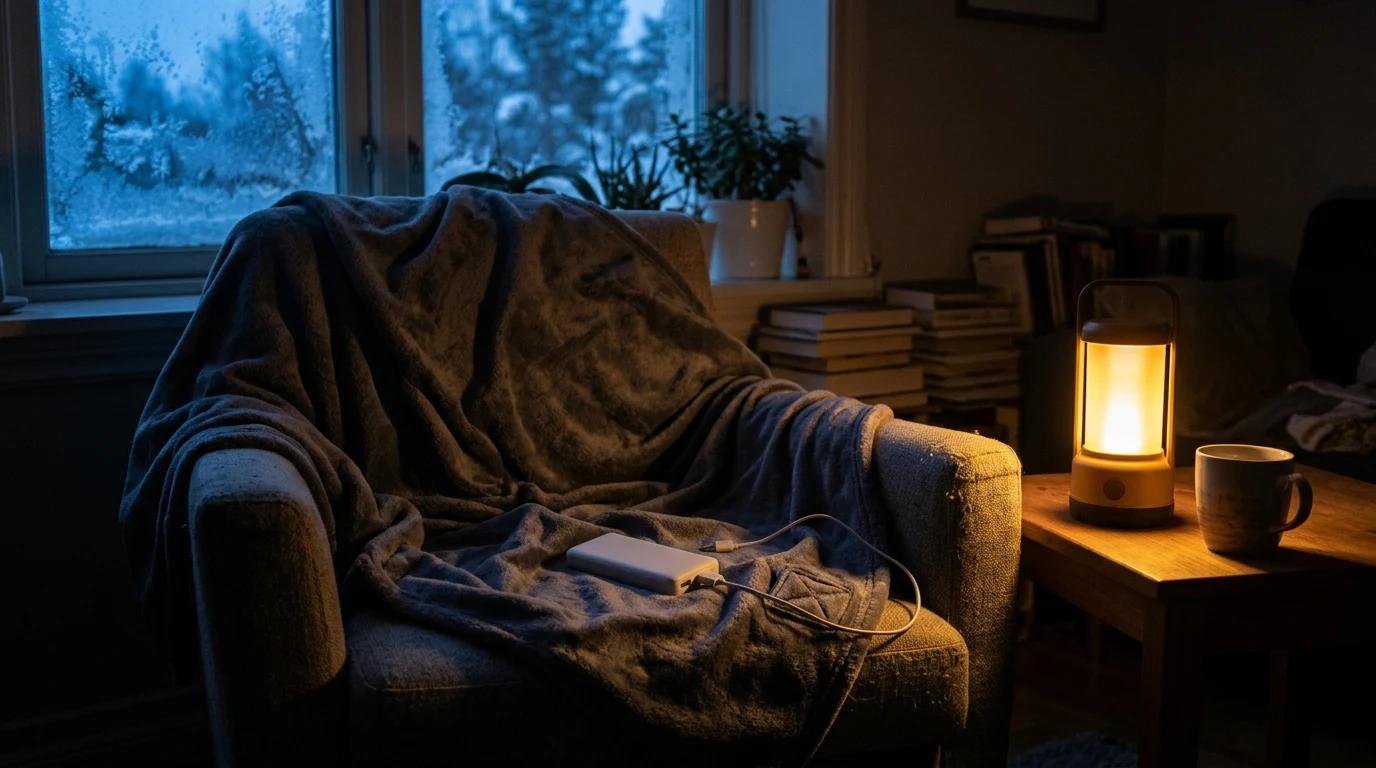
They keep one person warm for a few hours; a heated throw on a power station lasts the night.
6 min read
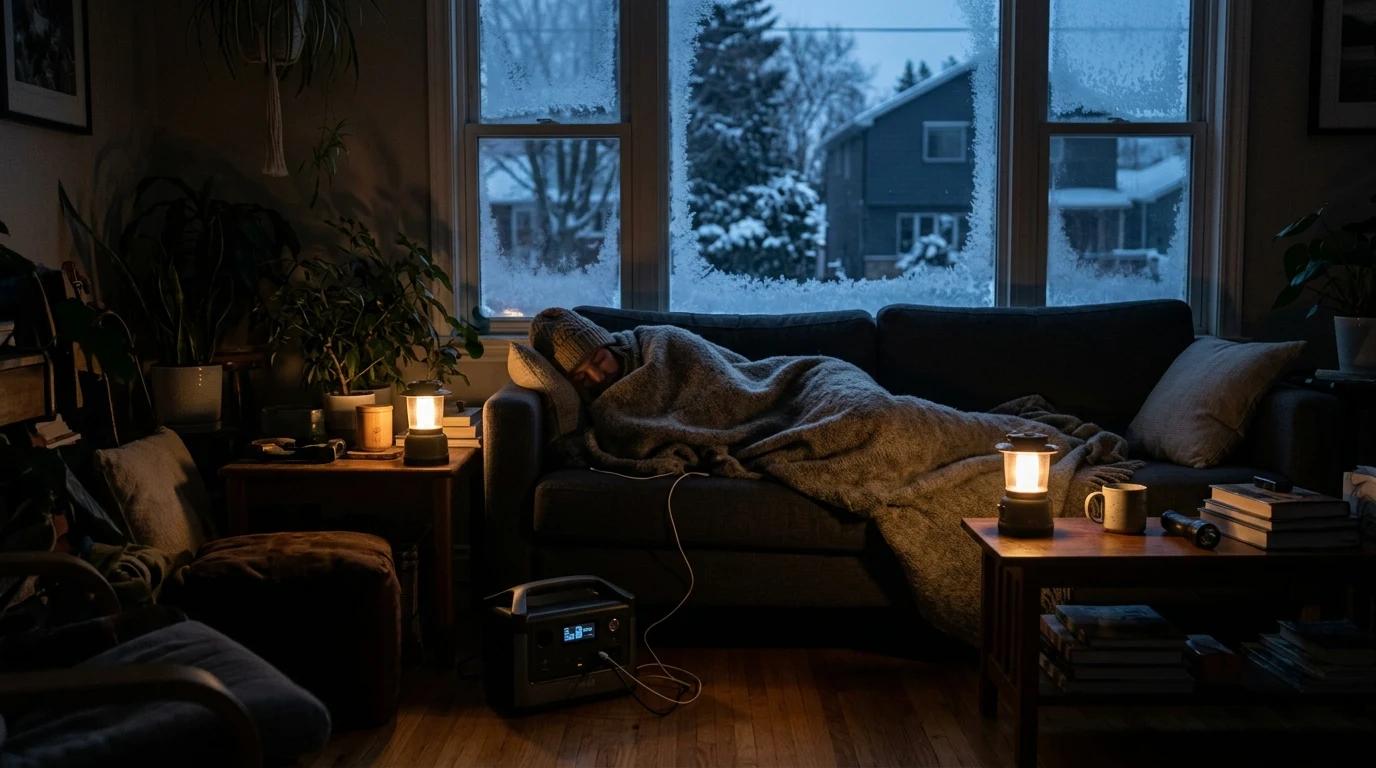
A battery can keep a person warm for a night, but not a room: 1 kWh holds less heat than a small propane heater makes in an hour on low.
5 min read
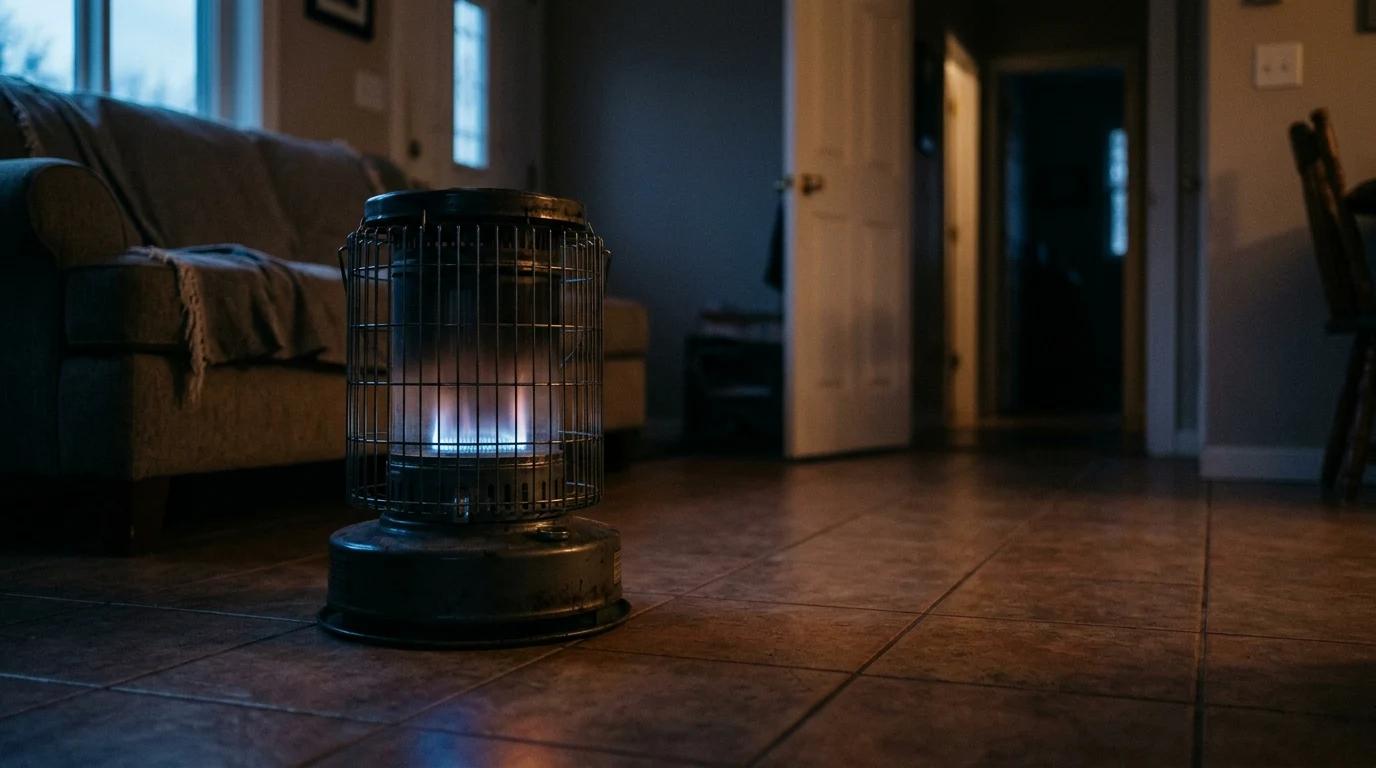
A listed kerosene heater can be used indoors in a ventilated room, on 1-K fuel only, refueled outside, awake, with a battery CO alarm.
5 min read
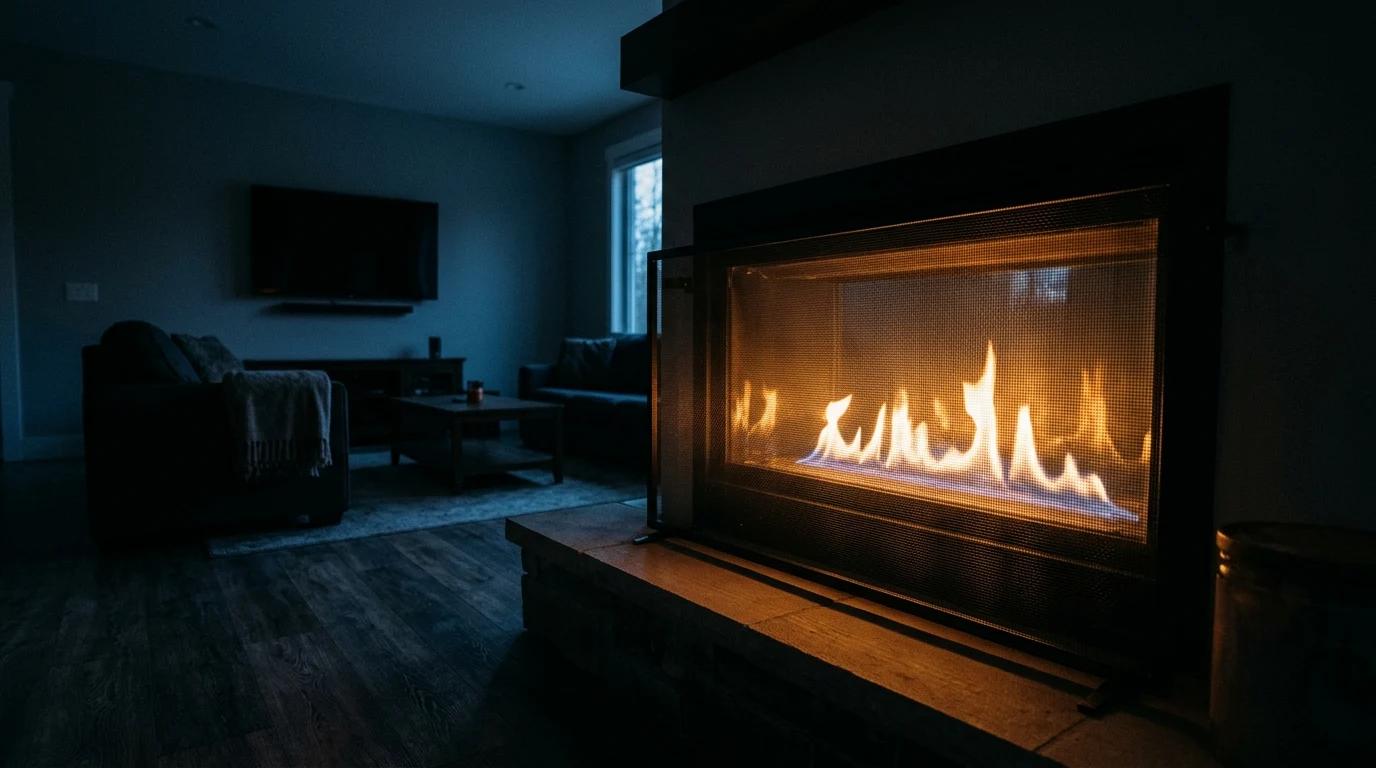
Standing-pilot gas fireplaces work without power; many electronic-ignition models run on a D or AA battery backup pack, per the maker.
5 min read
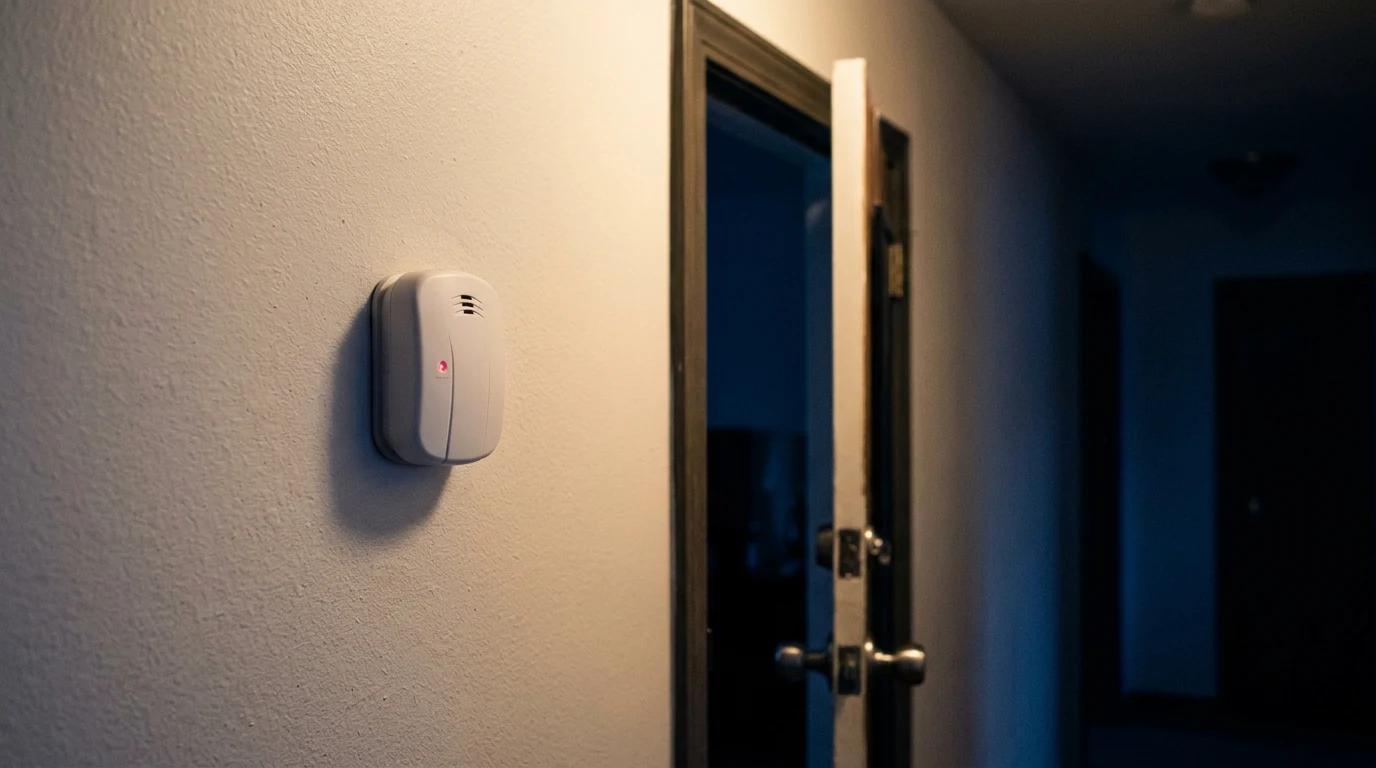
Four loud beeps in a repeating pattern means carbon monoxide: get everyone outside and call 911. A single chirp is maintenance.
5 min read
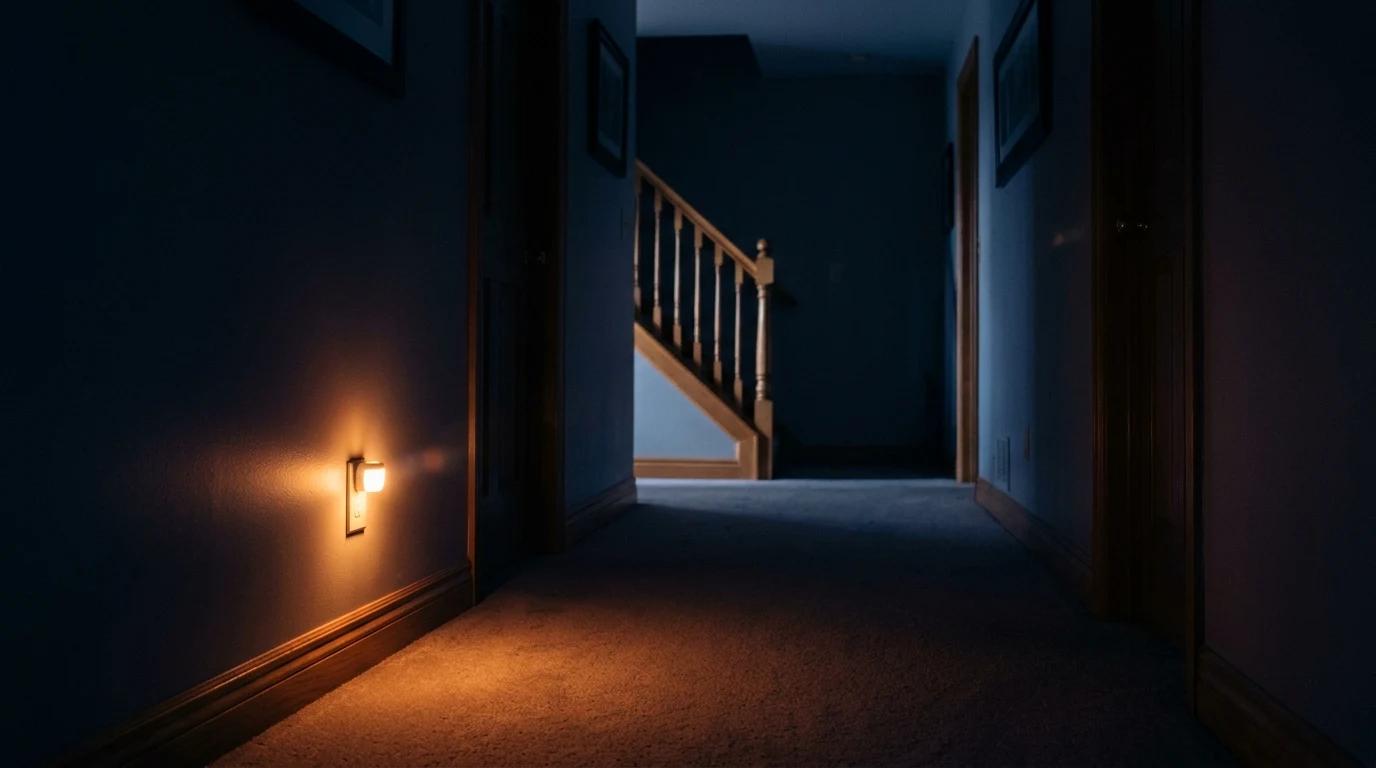
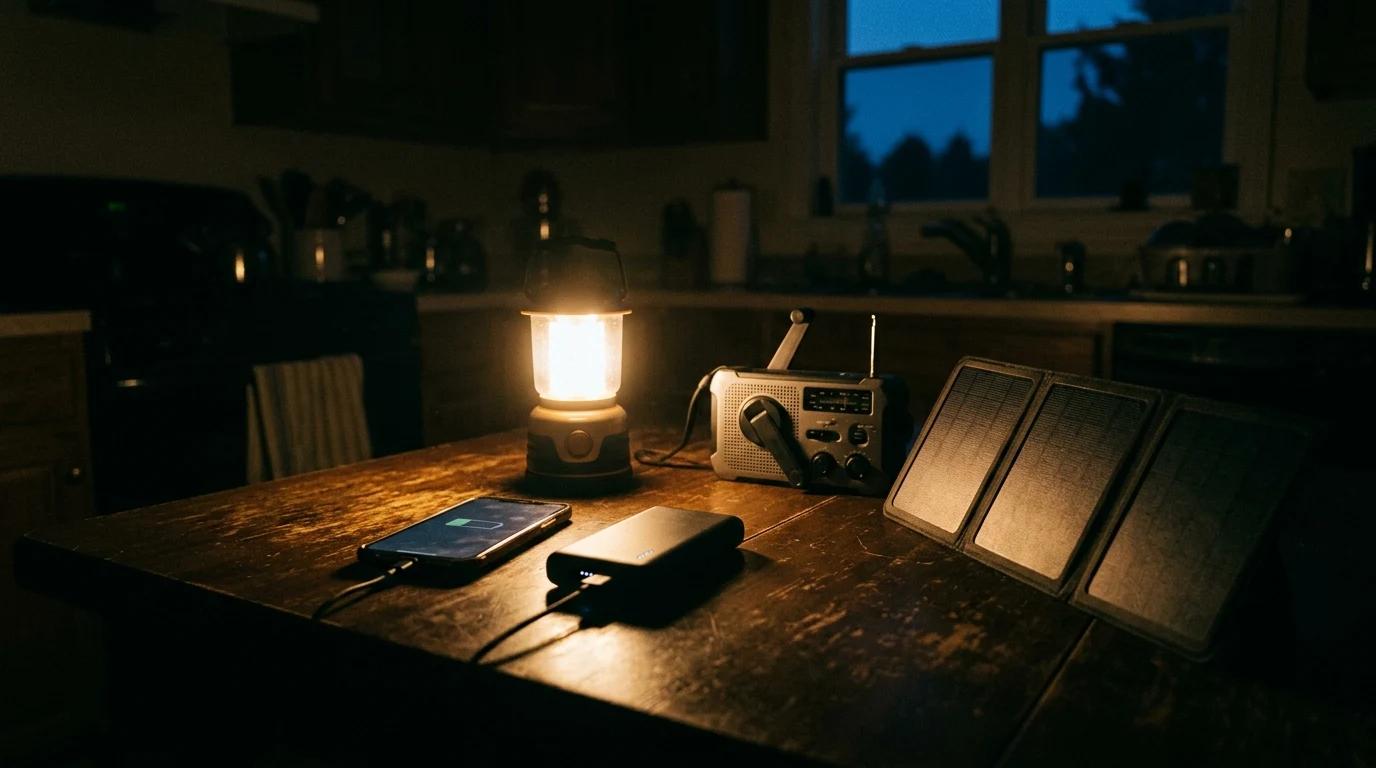
A plug-in light that switches on by itself, one lantern for the room you gather in and a headlamp for each adult cover most outages.
5 min read
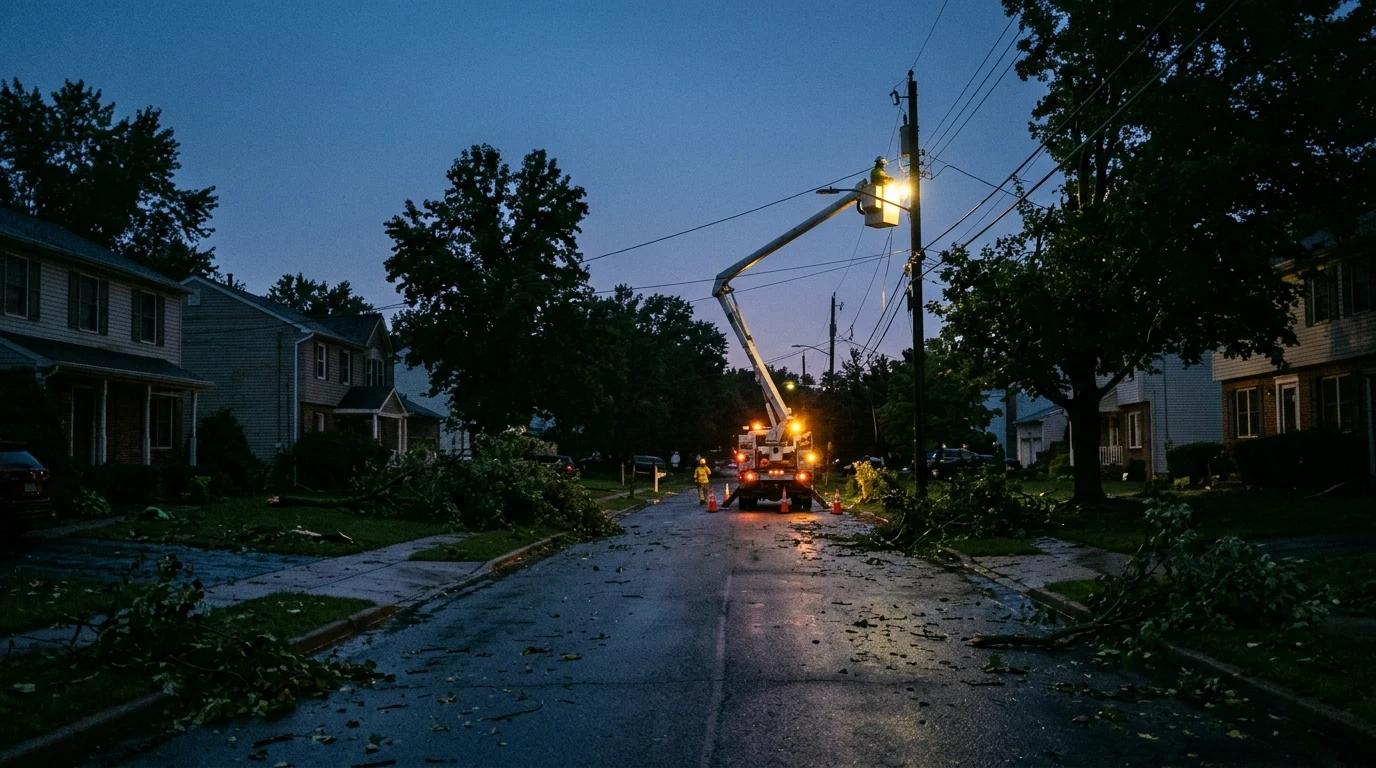
A routine outage averages about 2 hours in EIA data; major storms pushed the 2024 average to 11 hours a year and some states to days.
5 min read
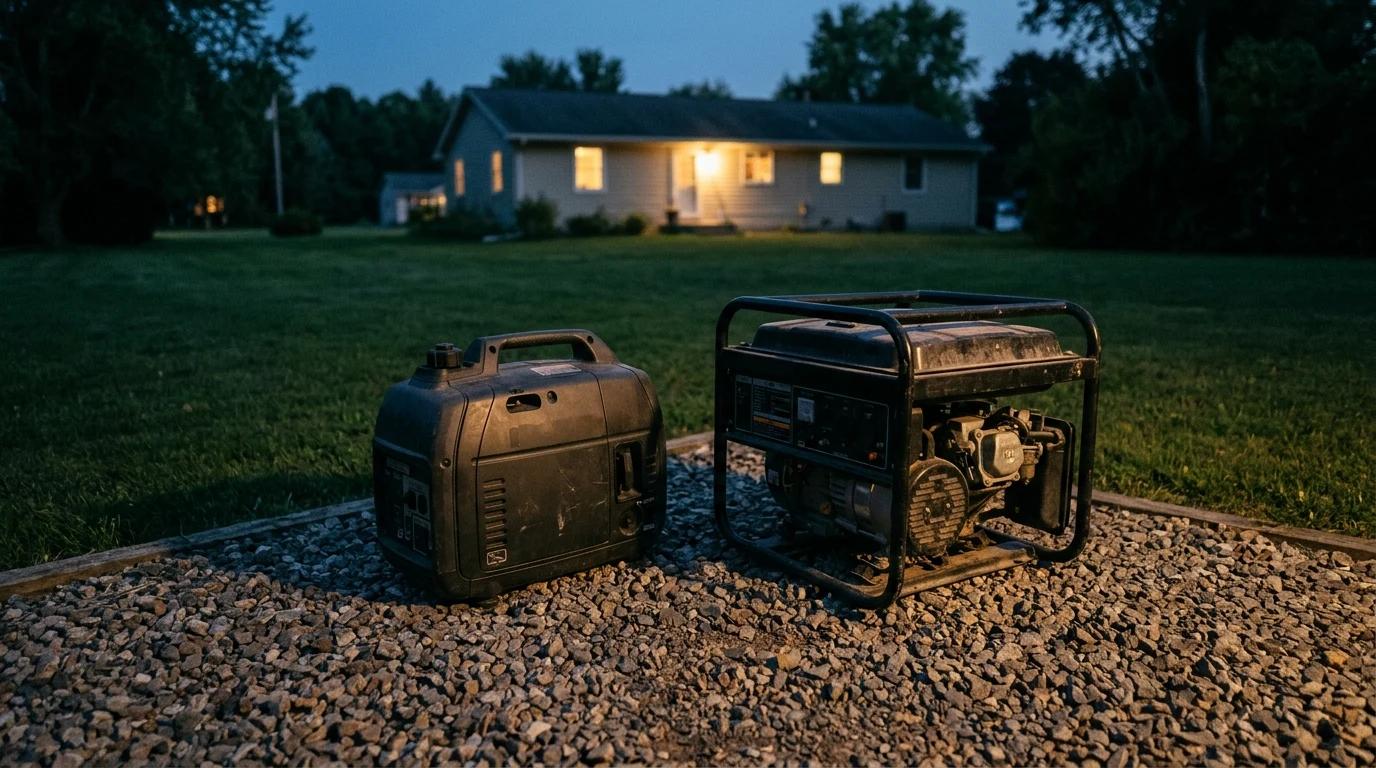
Pick an inverter for quiet, clean power to essentials; pick a conventional generator when you need 240 V, a well pump or a transfer switch.
5 min read
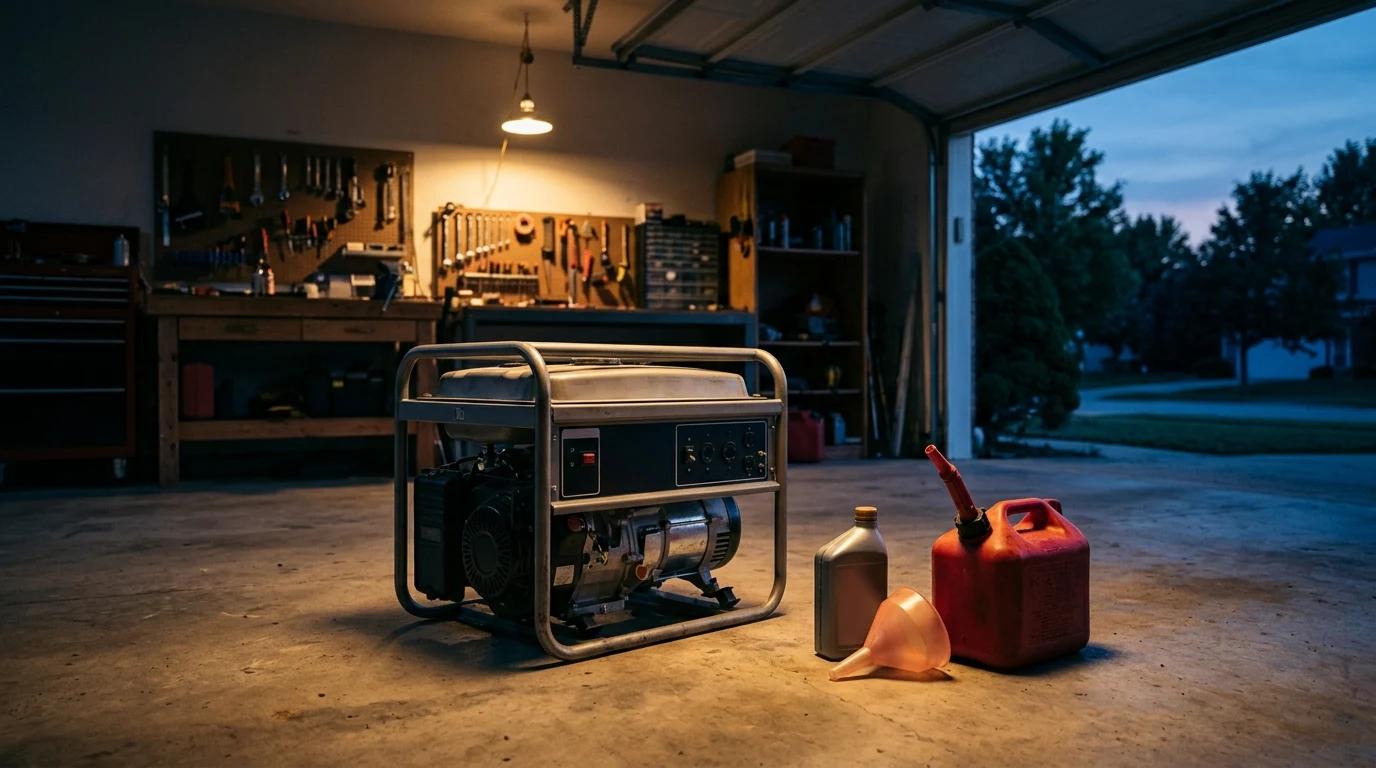
The maker-manual schedule for a portable generator: oil, fuel, a monthly run under load, and how to store it so it starts in the next outage.
5 min read
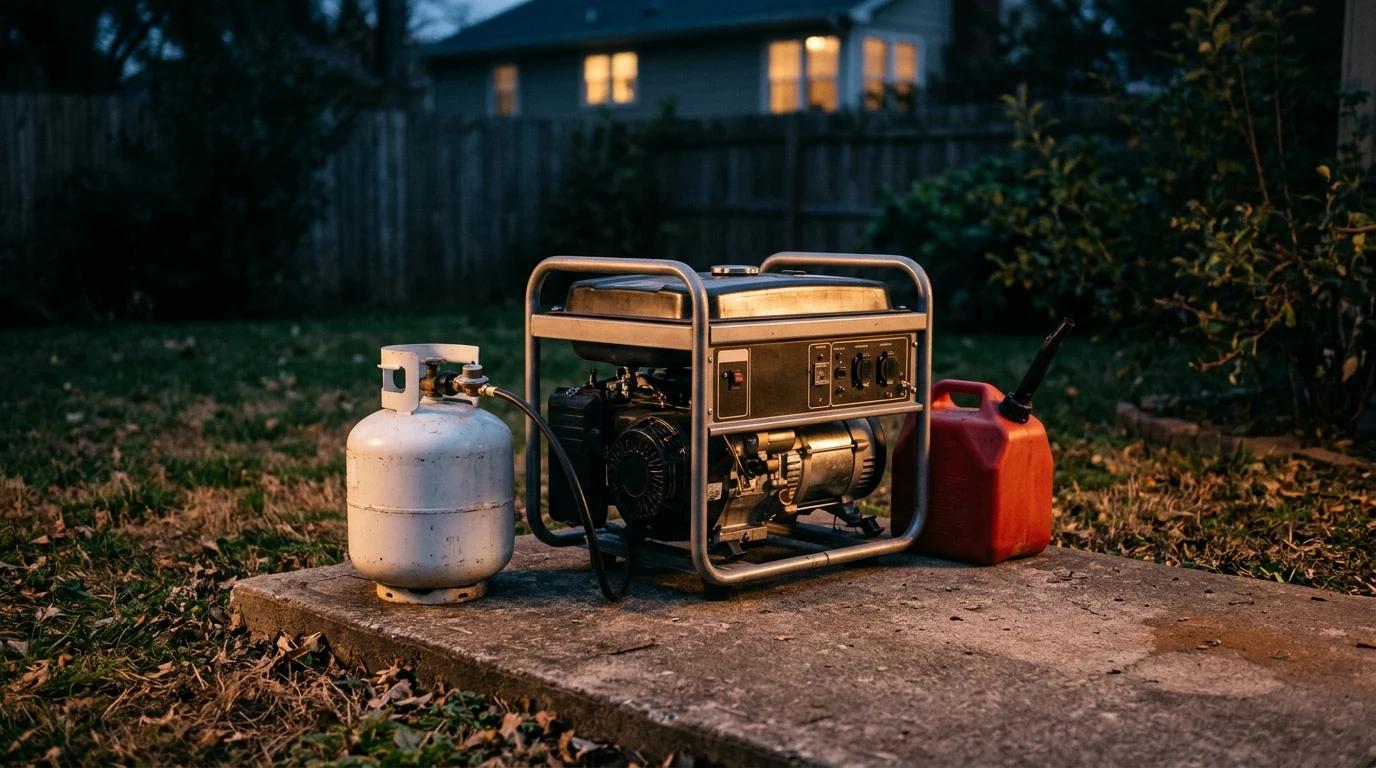
Gasoline gives the most watts per gallon; propane keeps for years. For outage backup, that usually makes dual fuel the safer buy.
5 min read
The Westinghouse iGen5000DFc is the quietest generator we list at a maker-stated 52 dBA. Here is what that number means, and the silent option.
5 min read
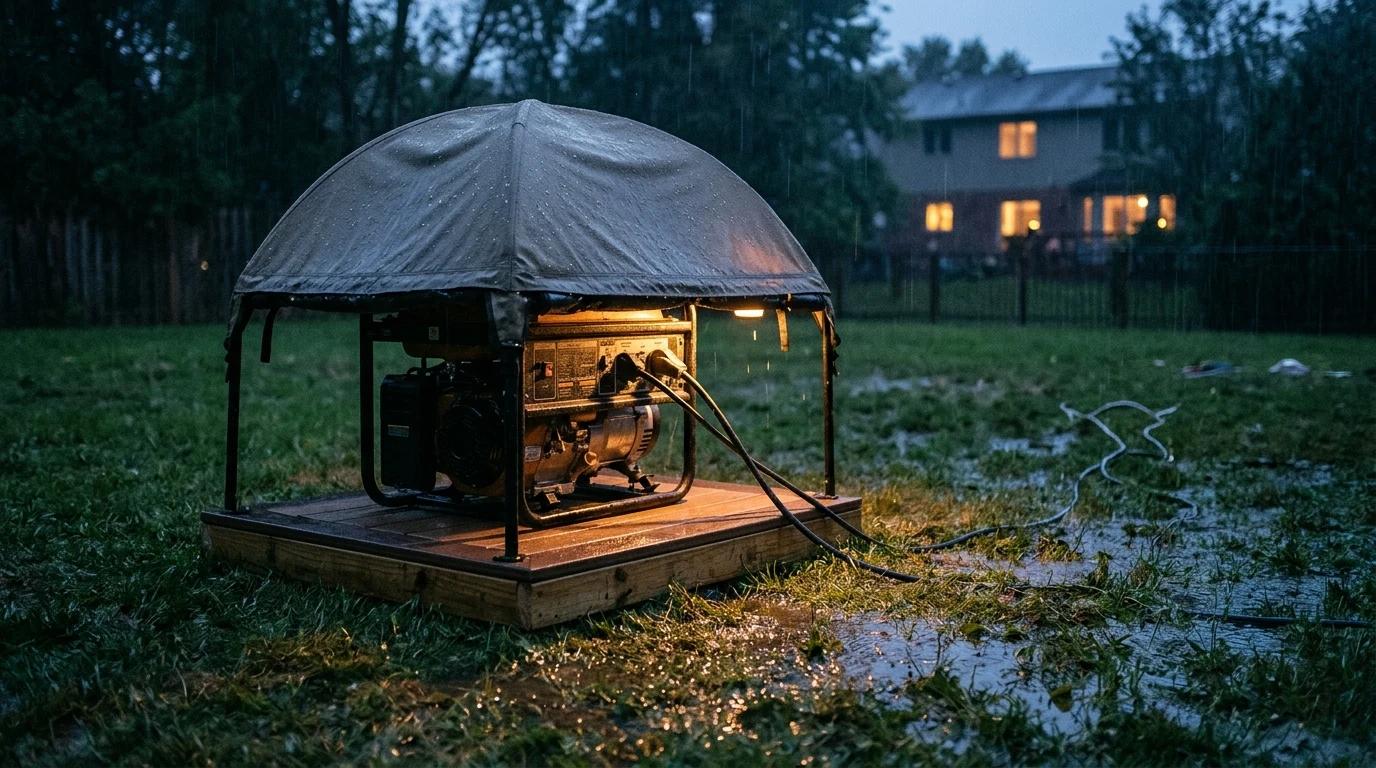
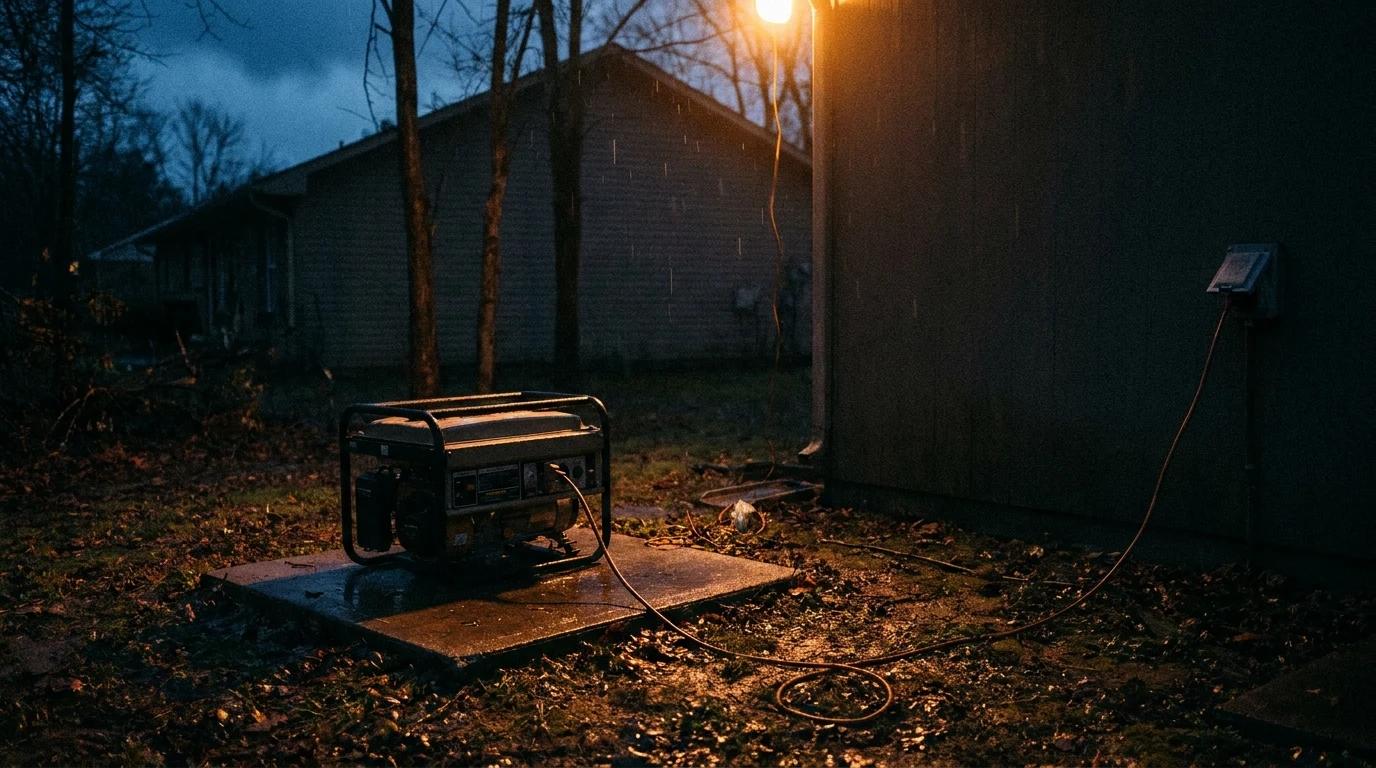
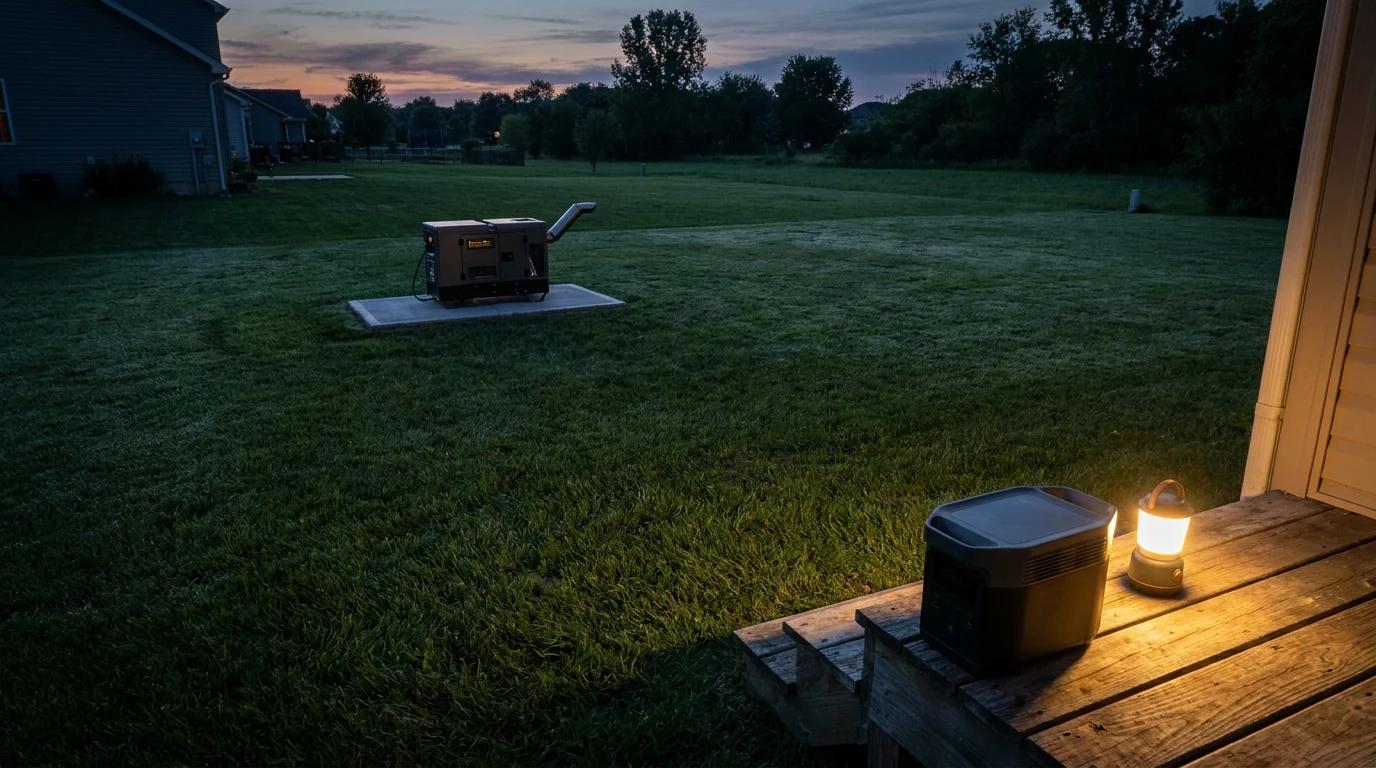
Only under an open, purpose-made cover on dry ground, still more than 20 feet from the house. Never in a garage, porch or carport.
5 min read
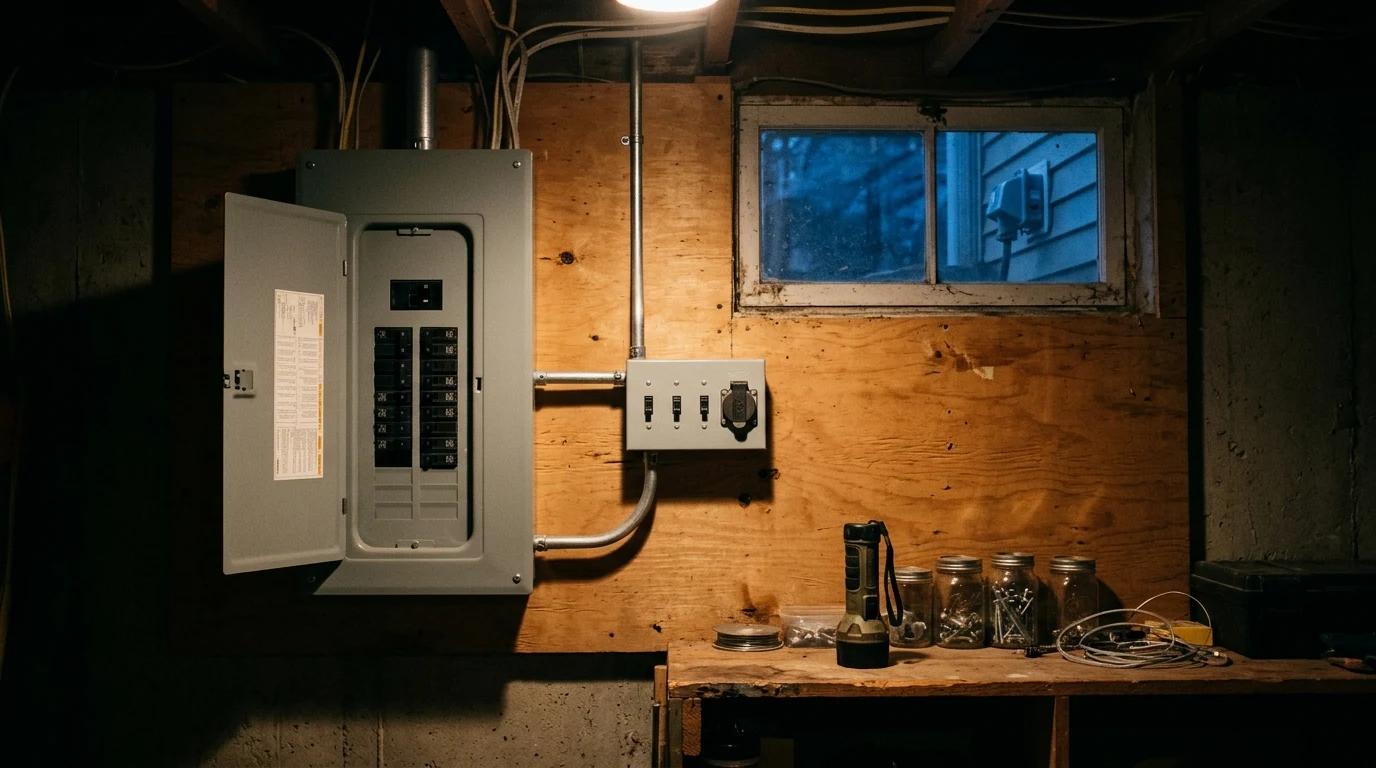
An interlock suits a panel with a listed kit and an owner who will manage breakers; a transfer switch suits preselected circuits and simple storm nights.
5 min read
Franklin Electric's table says a 1/2 HP well pump needs a 2 to 3 kW generator and a 1 HP pump 4 to 6 kW, at 240 V. Here is how to read your pump.
5 min read
All four brands sell LiFePO4 stations, three with a stated 10 ms class UPS; the differences are warranty terms, cycle ratings, output and what each app unlocks.
5 min read
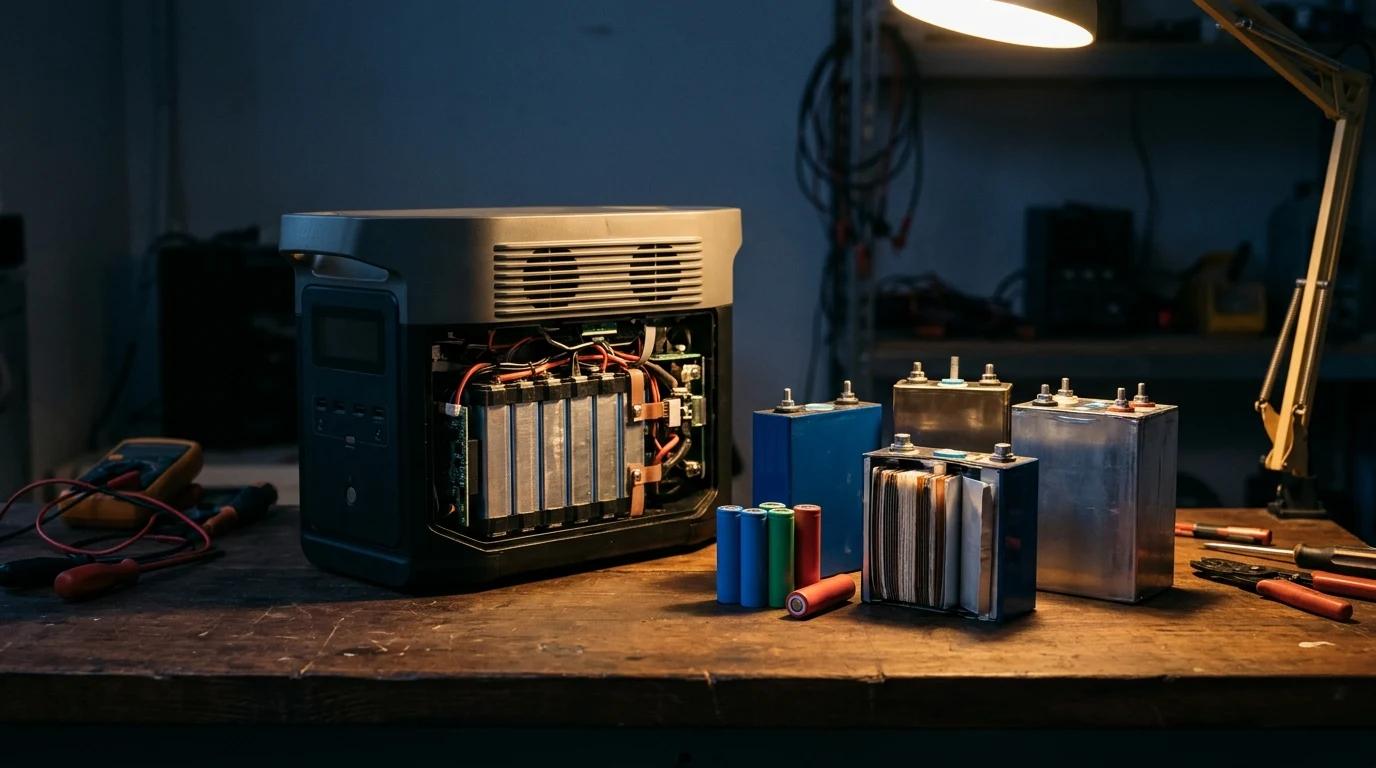
LiFePO4 wins on stated cycle life by a wide margin, the weight penalty has nearly gone, and neither chemistry charges below freezing.
5 min read
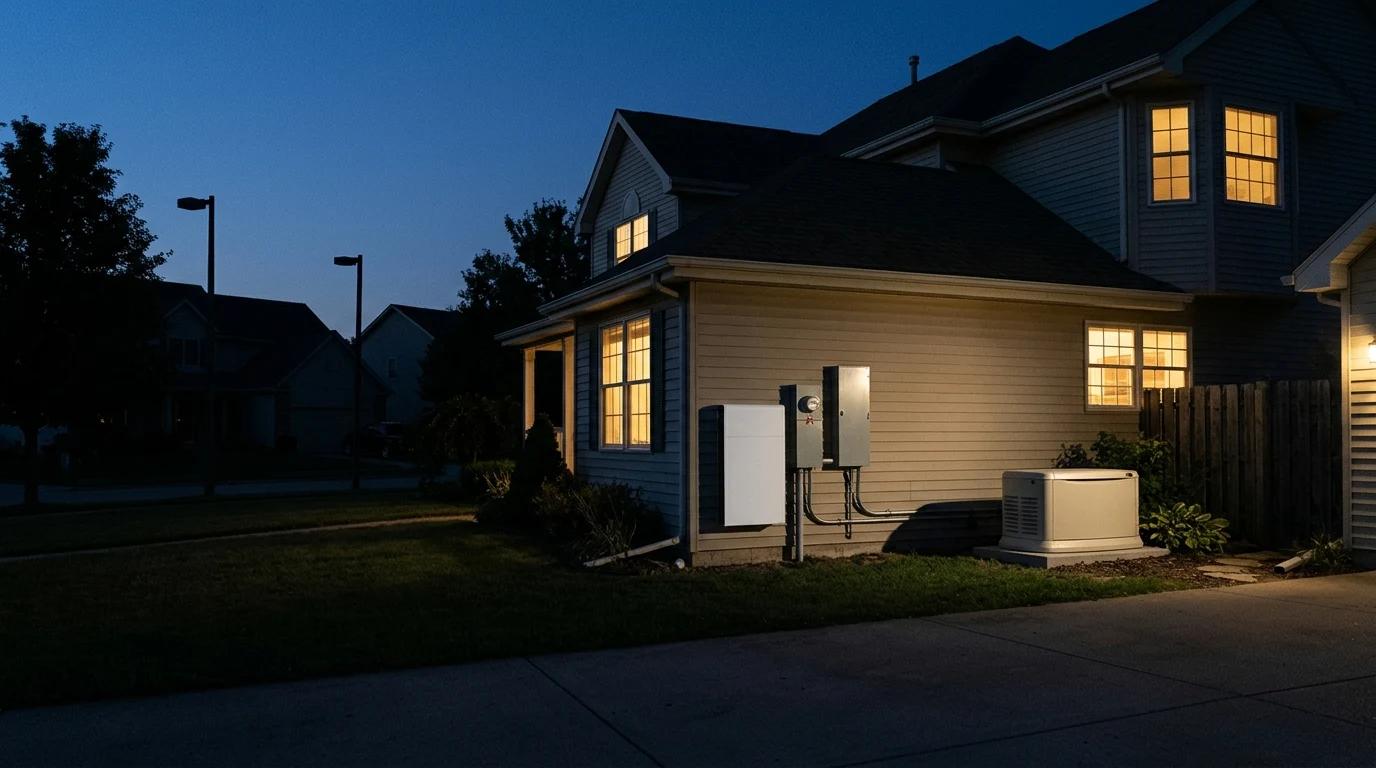
A standby generator runs as long as the gas does; a home battery is silent and instant but holds about a day of essentials. Here is how to choose.
5 min read
150 to 400 W while the compressor runs, up to 1,200 W to start, and only about 40 to 100 W averaged over a day.
5 min read
Running and starting watts from Champion, energy use from Silicon Valley Power, and how to use both to size a generator or a power station.
5 min read
A charged power bank is the answer for most outages; here is how many charges each method really gives, worked out from maker figures.
5 min read
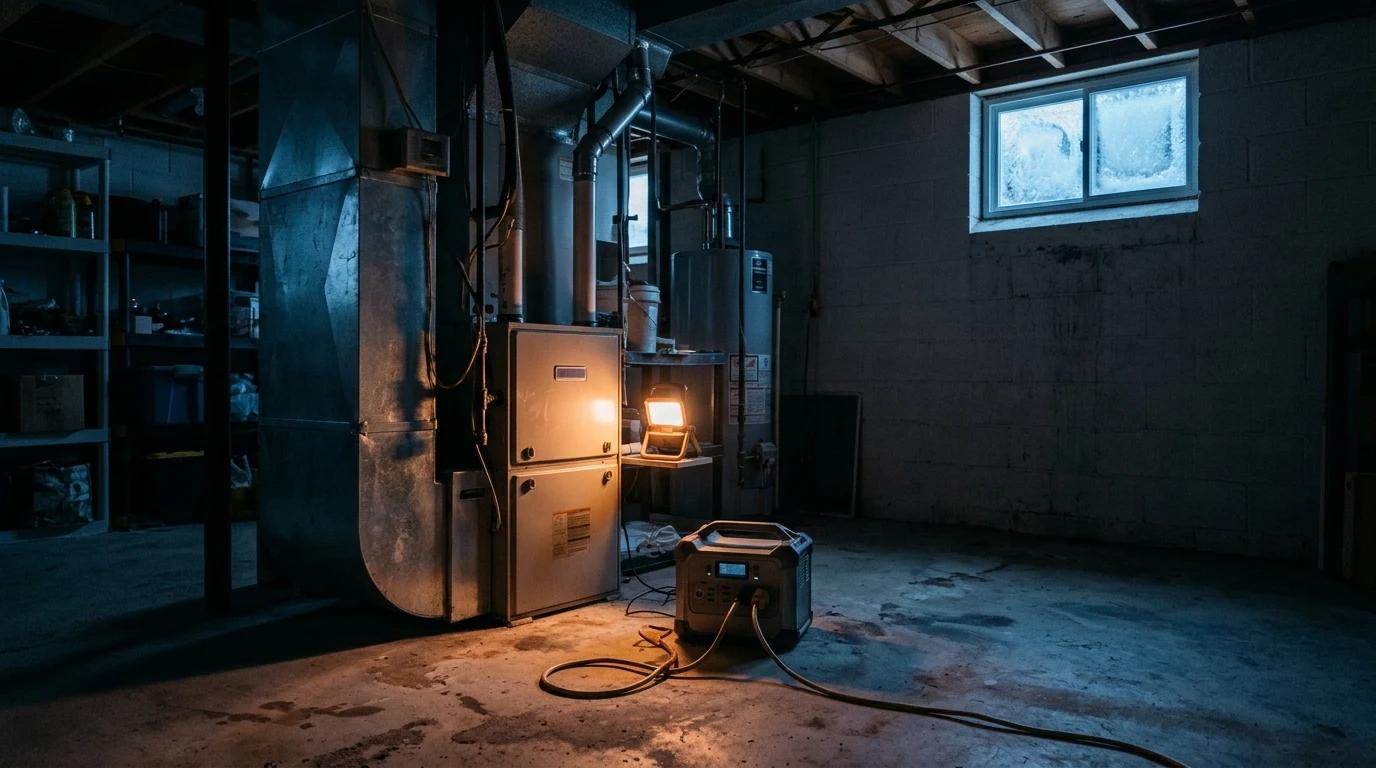
A gas furnace stops when the power does. A power station or generator can run it, but only through a proper connection, never a backfed outlet.
5 min read
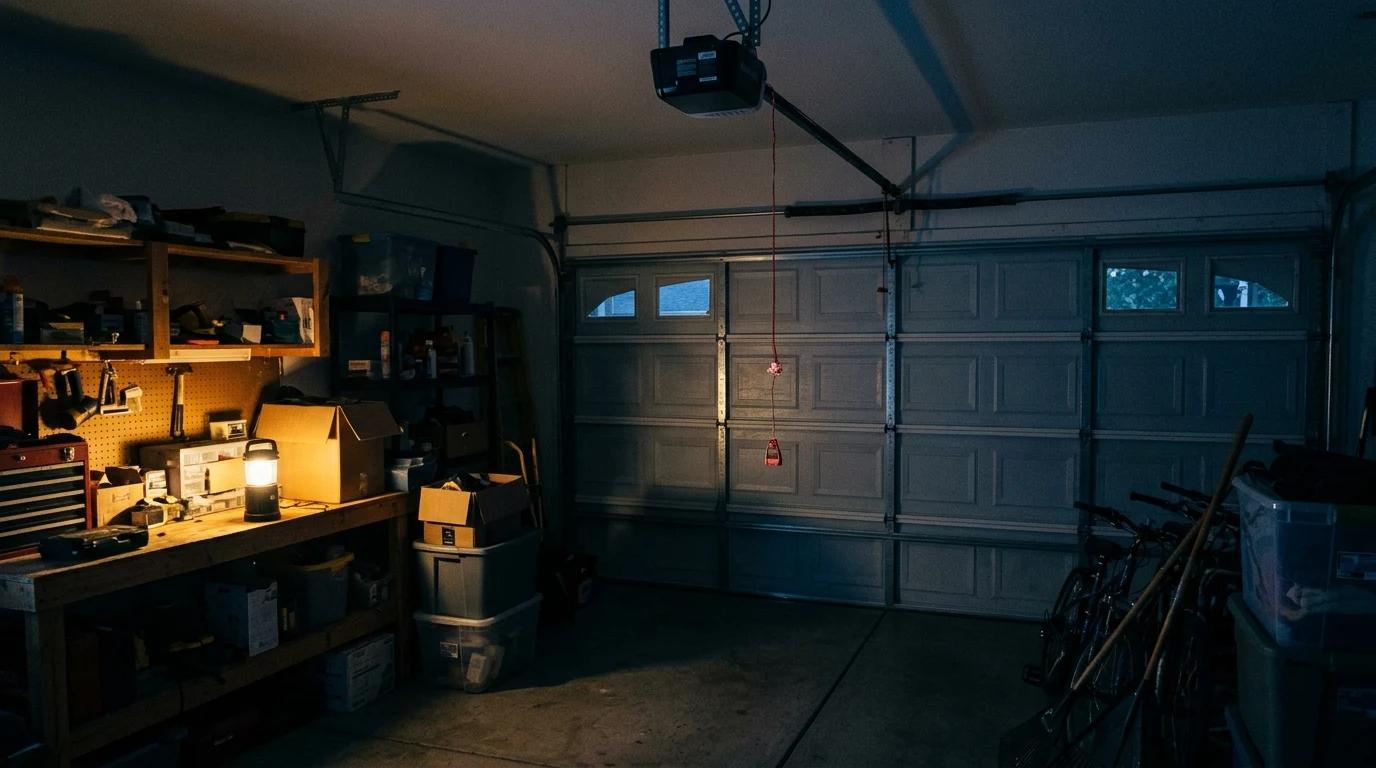
Pull the red release cord with the door closed, lift the door by hand, and reconnect it when the power returns.
6 min read
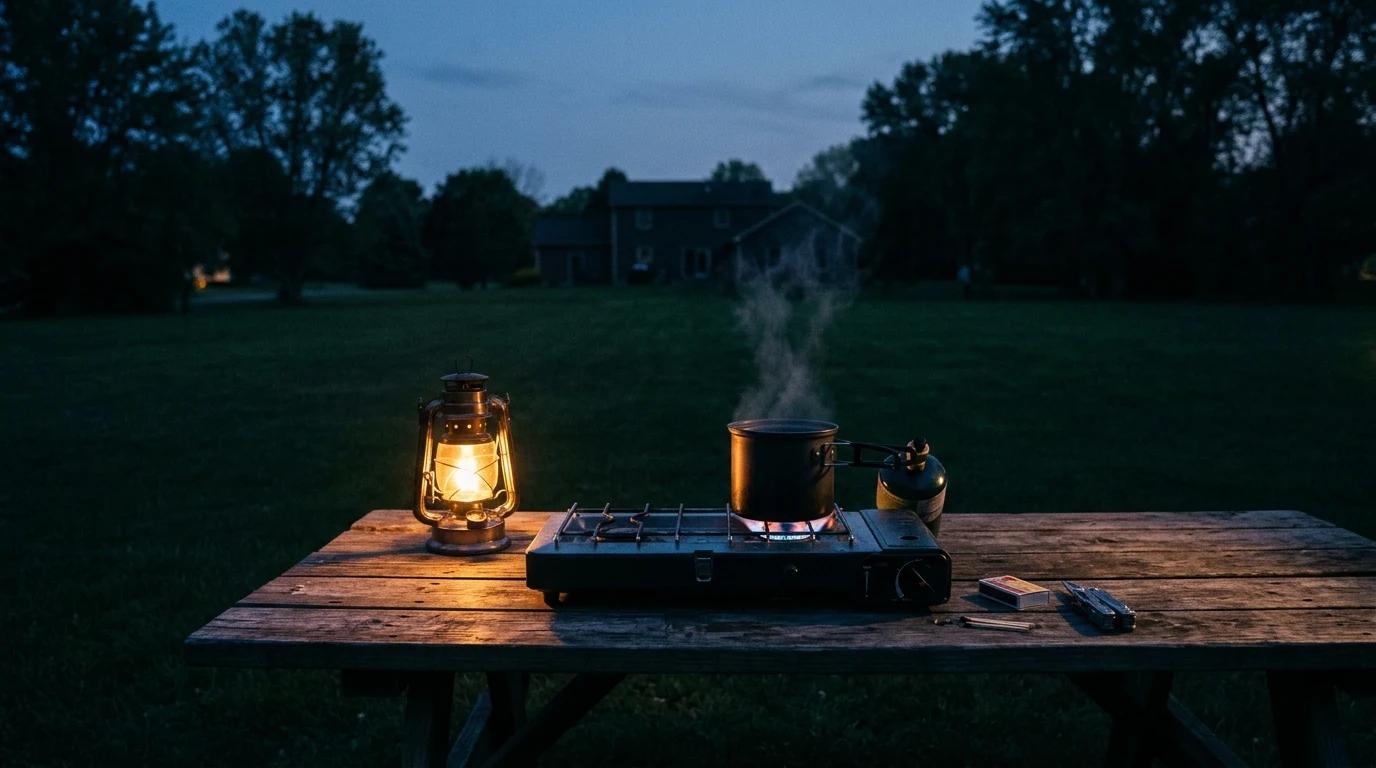
Camp stoves and grills go outside, a gas cooktop can be lit with a match, and a power station runs an induction burner indoors.
5 min read
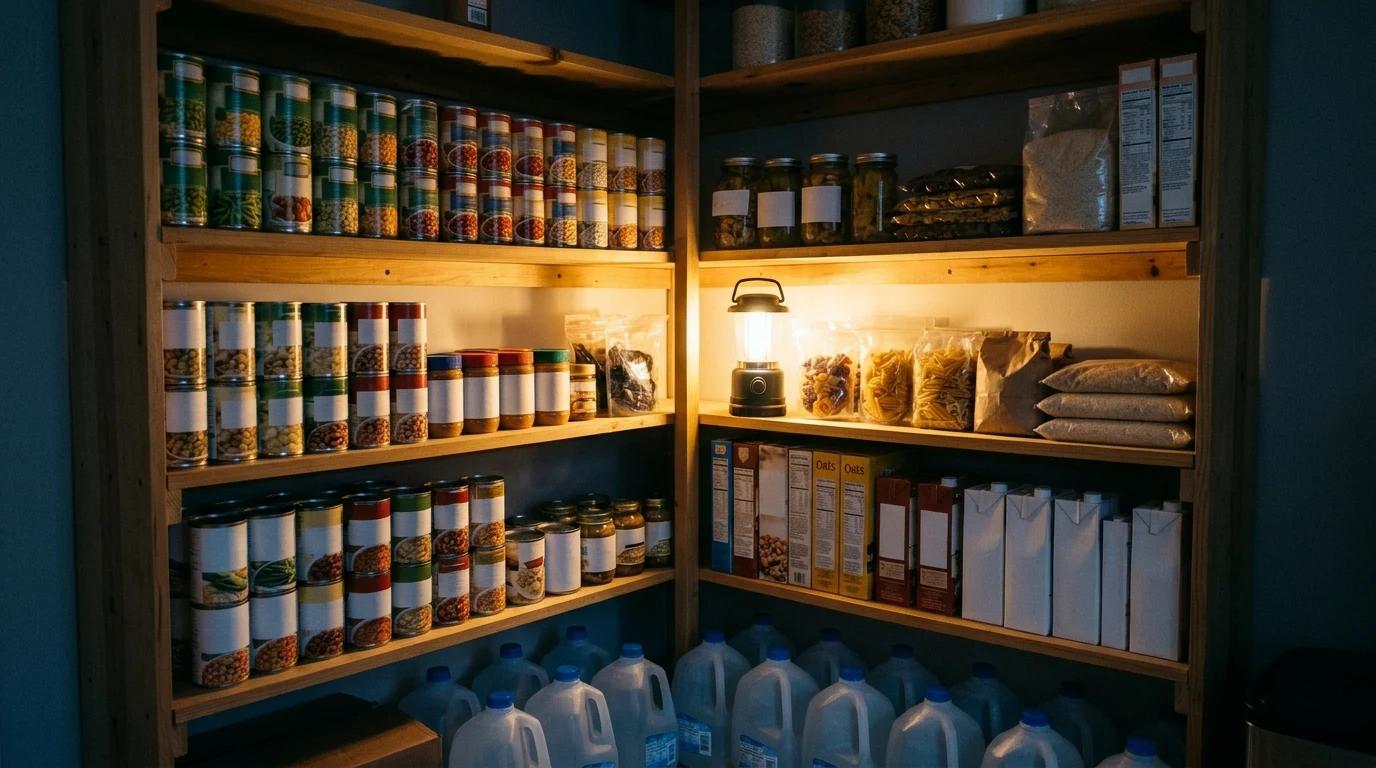
A no-cook shopping list for three days, sized for one person or a family of four, with water and can safety.
5 min read
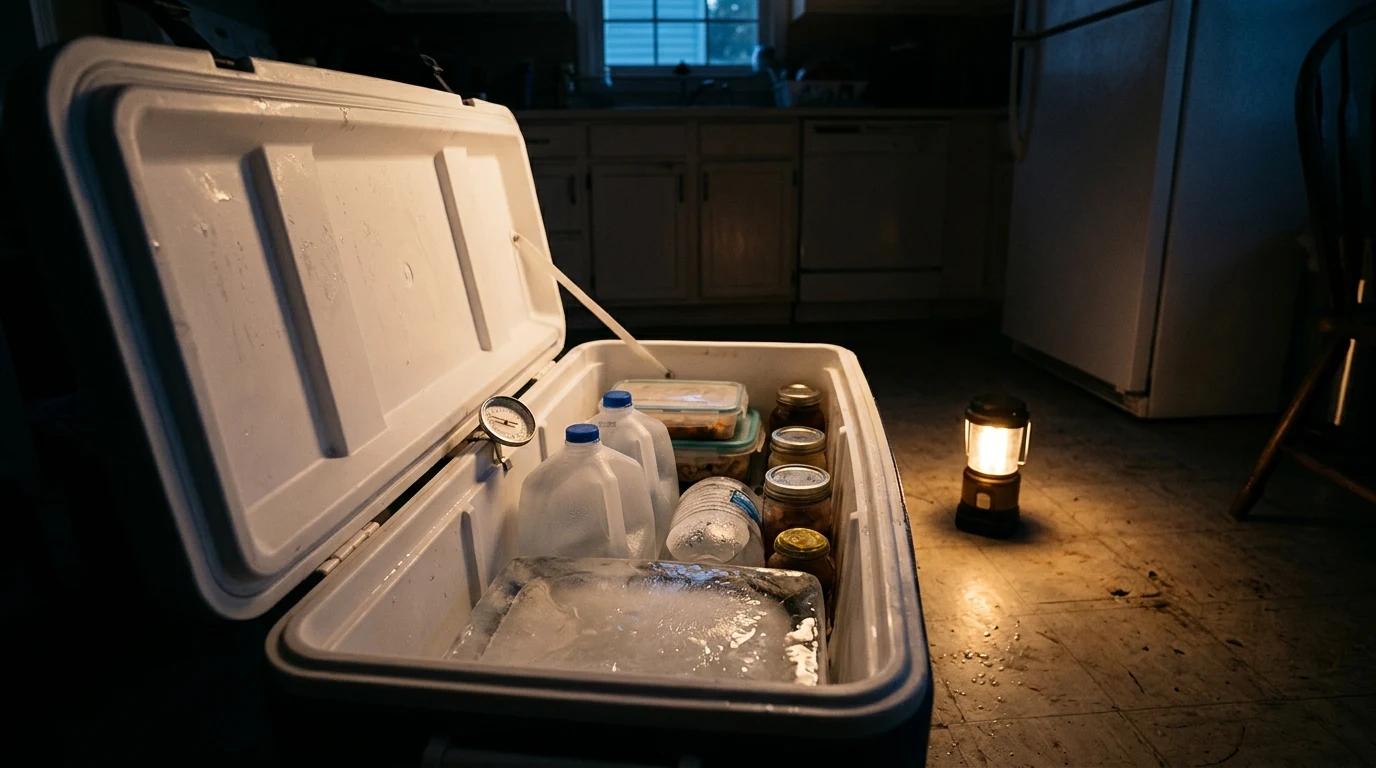
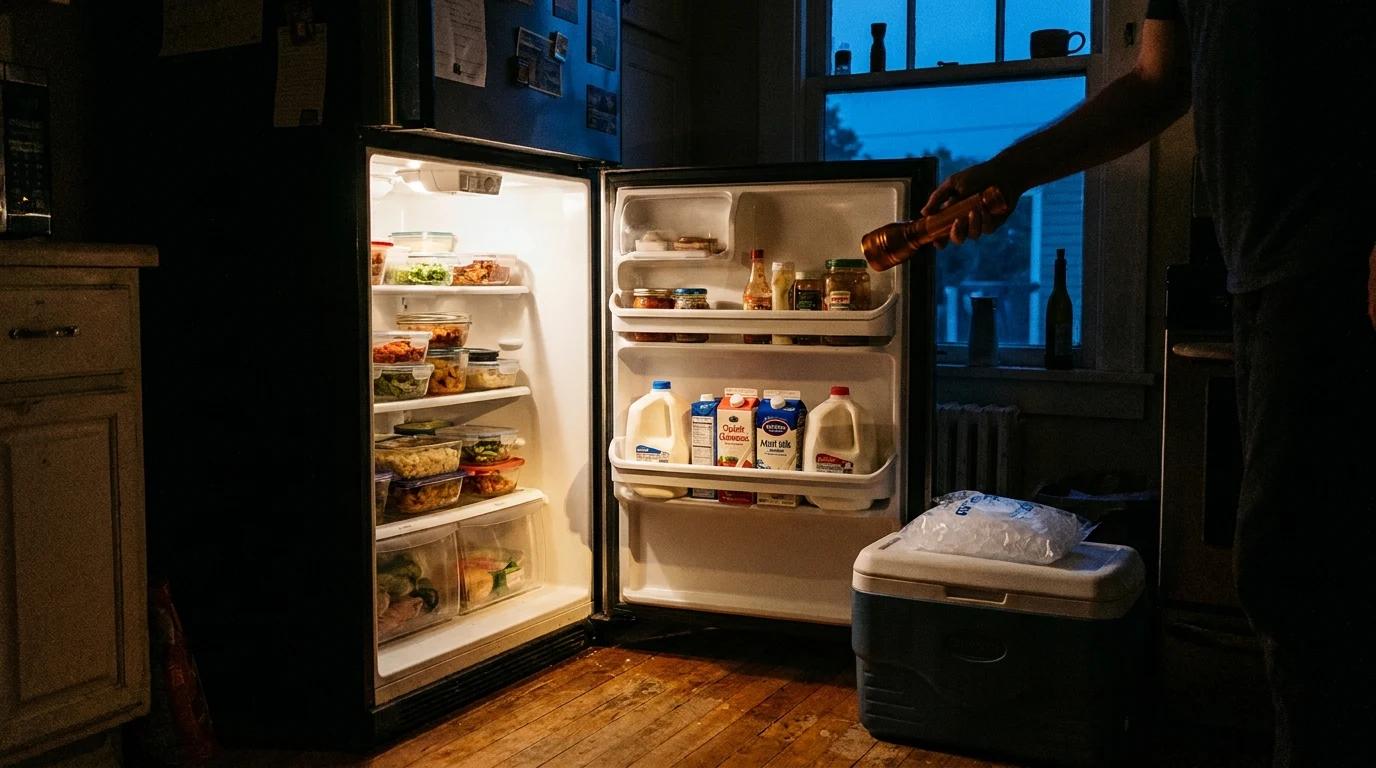
Keep doors shut, pack a cooler with block ice, and handle dry ice the way the gas industry says to.
5 min read
Water-powered backups never run down but need city water and a backflow device; battery backups pump harder but drain.
5 min read
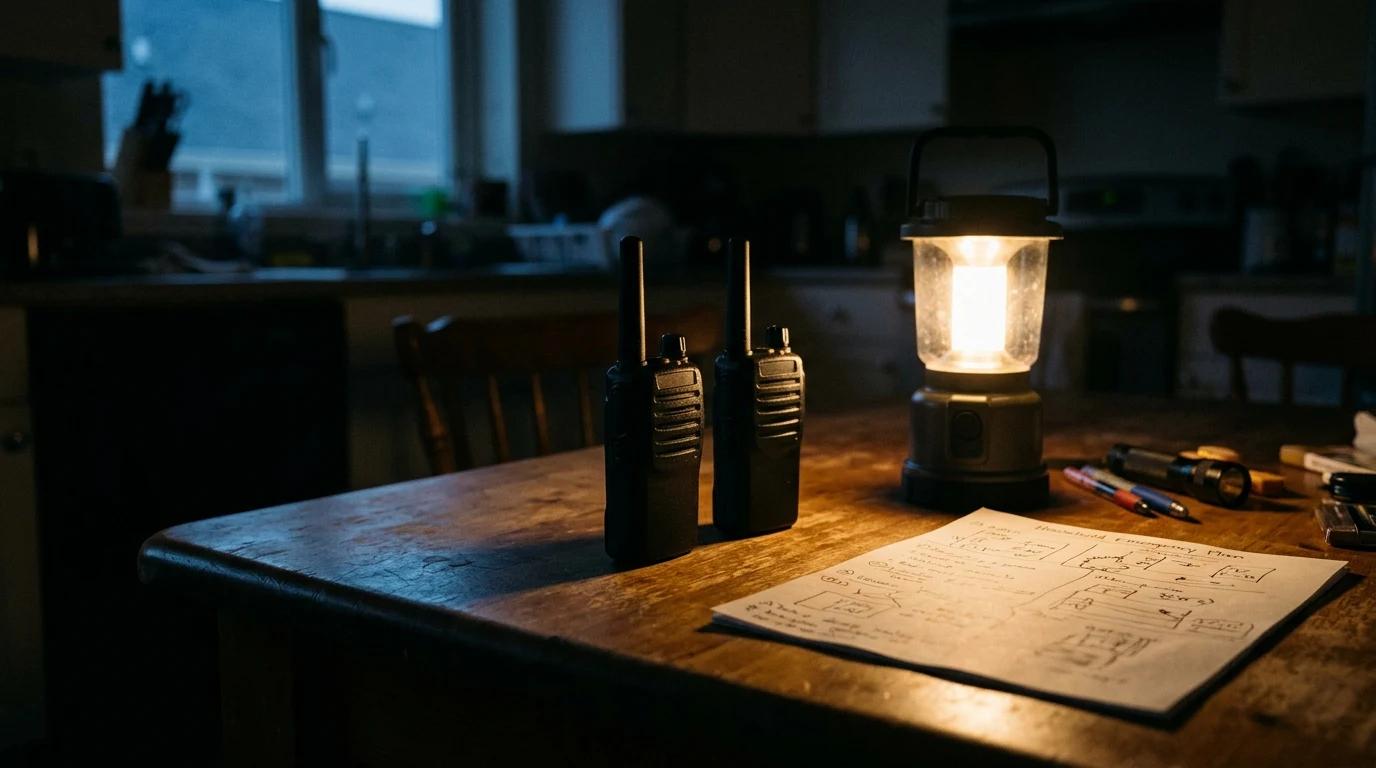
FRS needs no license and tops out at 2 watts. GMRS needs an FCC license that covers your family and allows more power.
5 min read
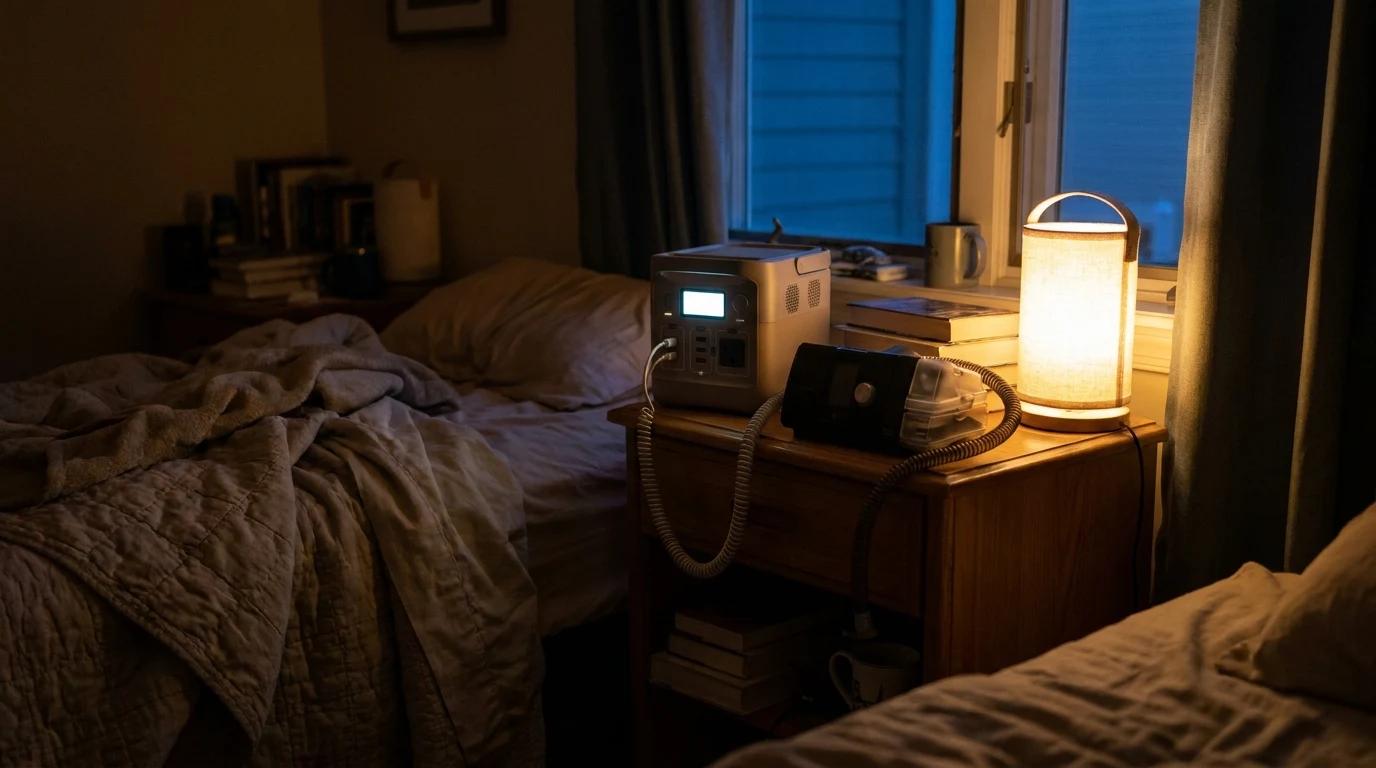
The Jackery Explorer 1000 v2 gets about 7.3 hours with a heated humidifier at generic figures, and ResMed's own numbers show why DC is better when you can use it.
5 min read
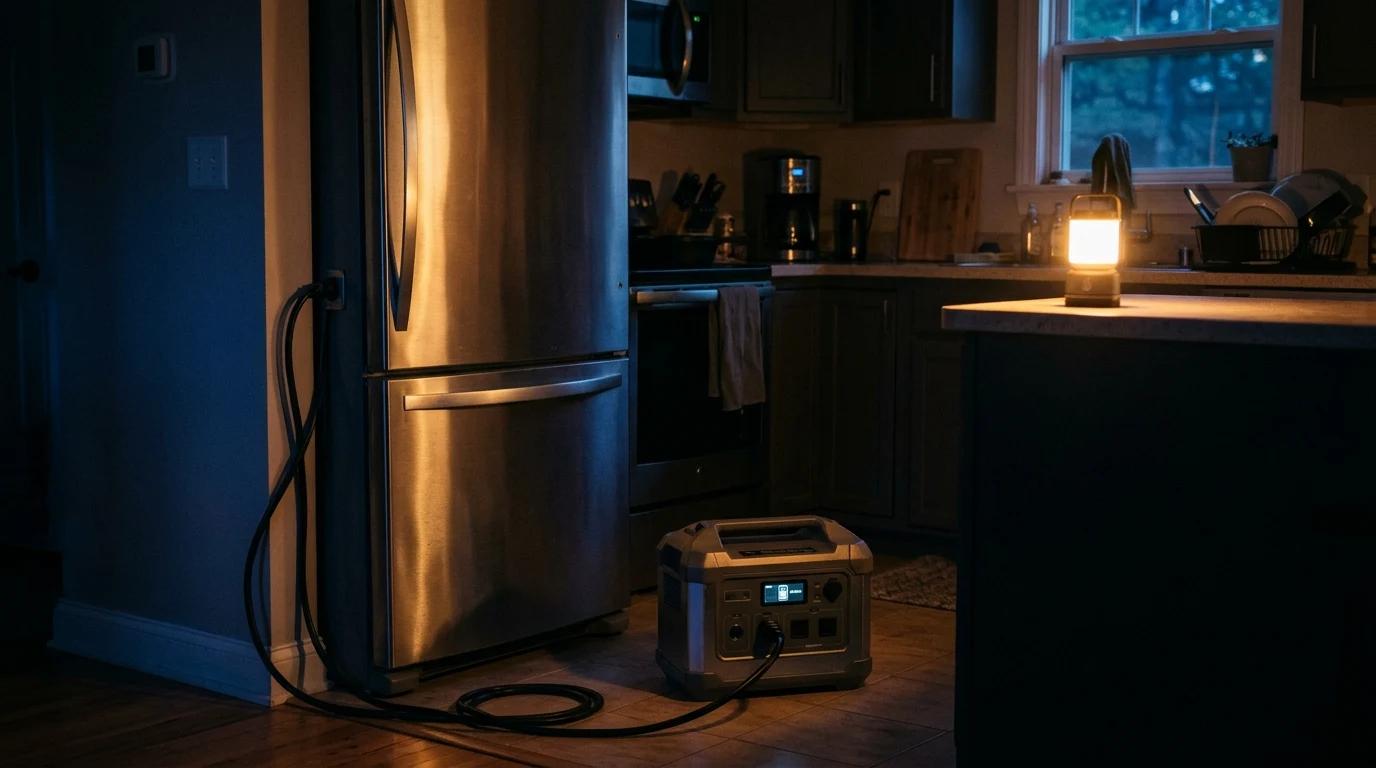
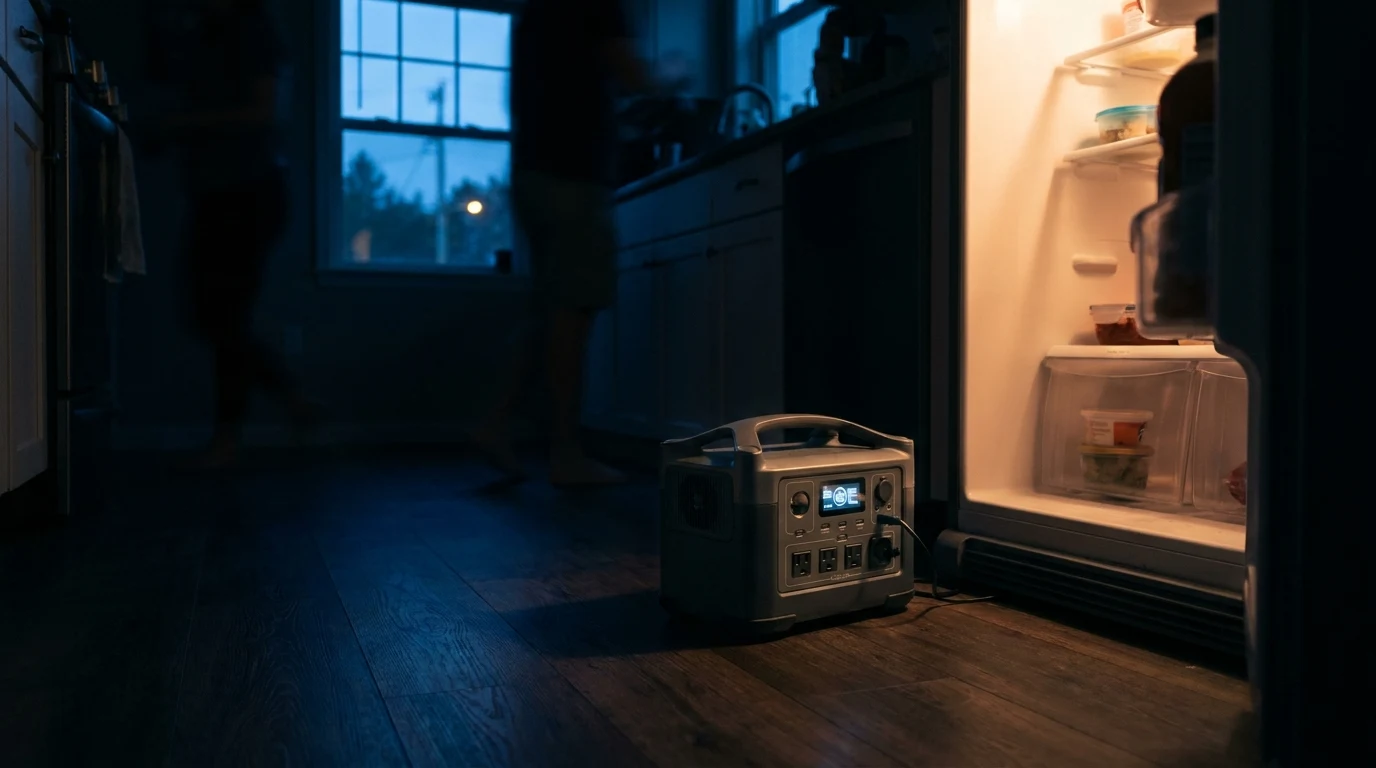
About 1,000 Wh runs a fridge for about 10 hours, and the Anker SOLIX C1000 Gen 2 is the one most homes should buy.
5 min read
A closed fridge holds food safely for up to 4 hours and a full freezer about 48. Here is what to do at each mark.
5 min read
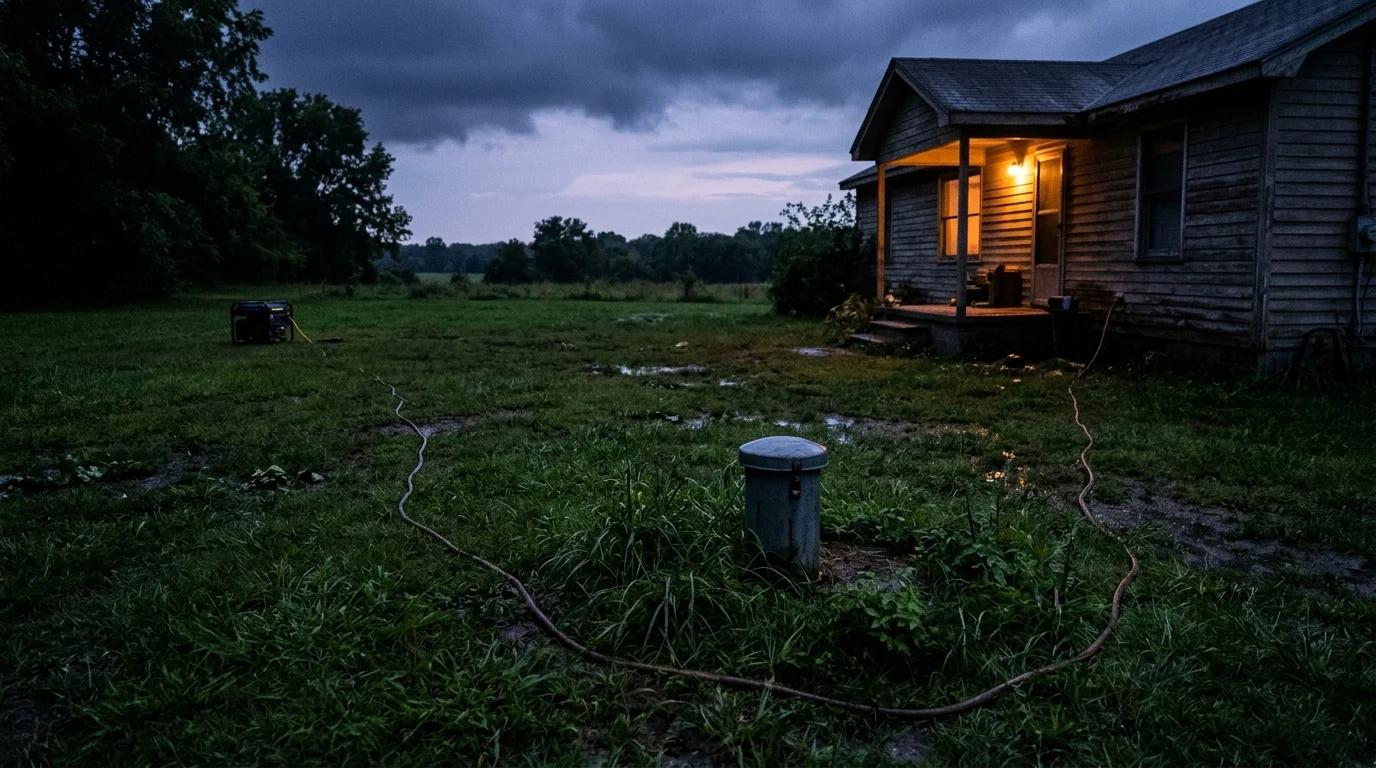
Connect a generator with heavy-duty cords, or have an electrician fit a transfer switch or interlock with an inlet box. Never backfeed through an outlet.
5 min read
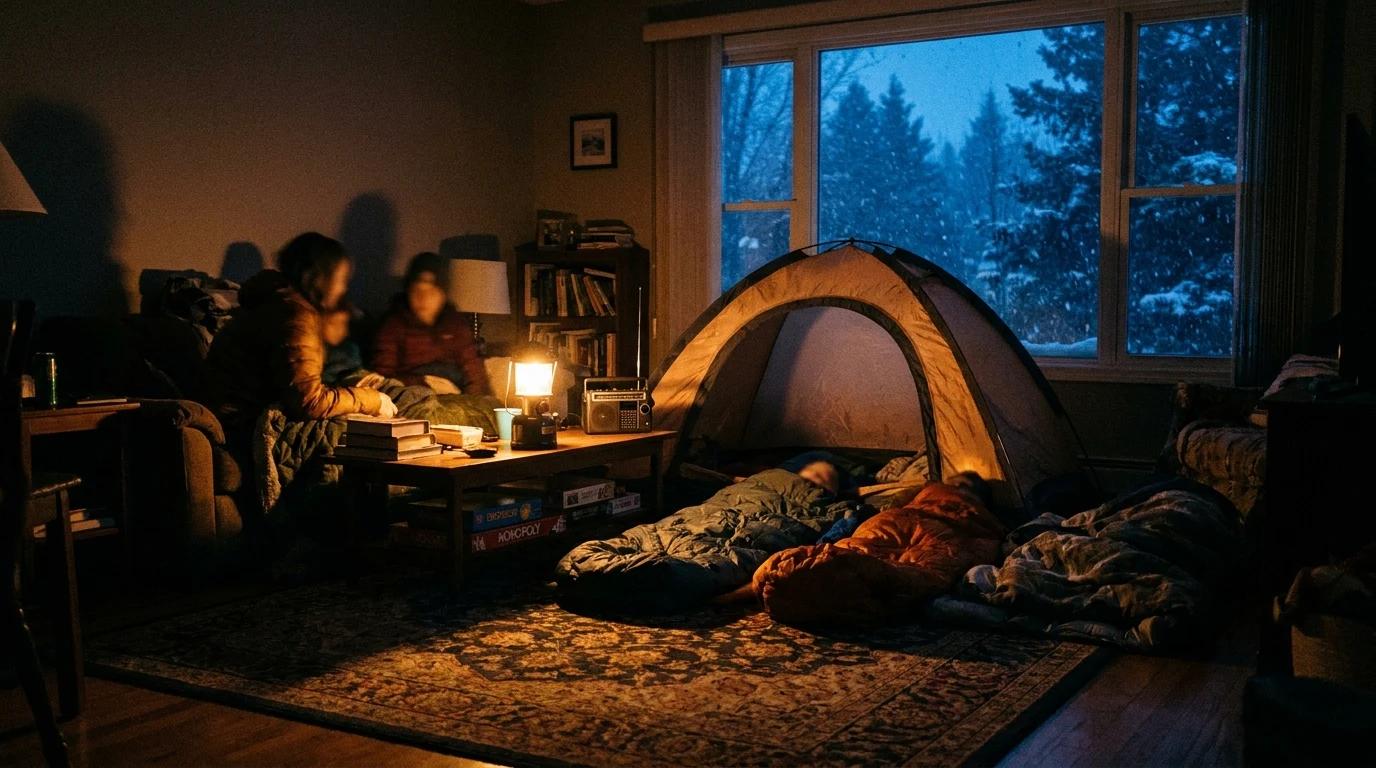
Heat one small room, with a wood stove or an indoor-rated heater if you have one, and never with an oven, a camp stove or a generator inside.
5 min read
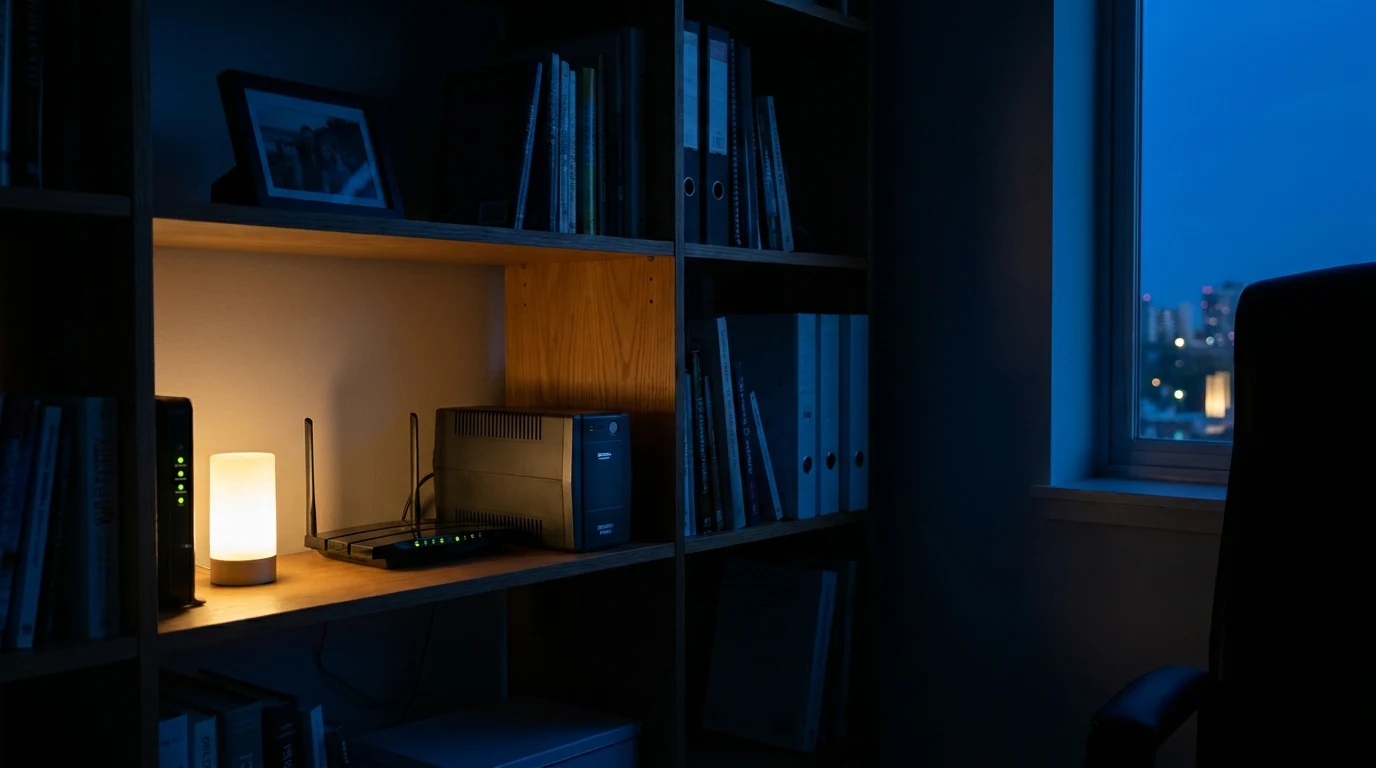
A modem and router draw 10 to 20 W. Here is how much battery that takes, and which backup fits.
5 min read
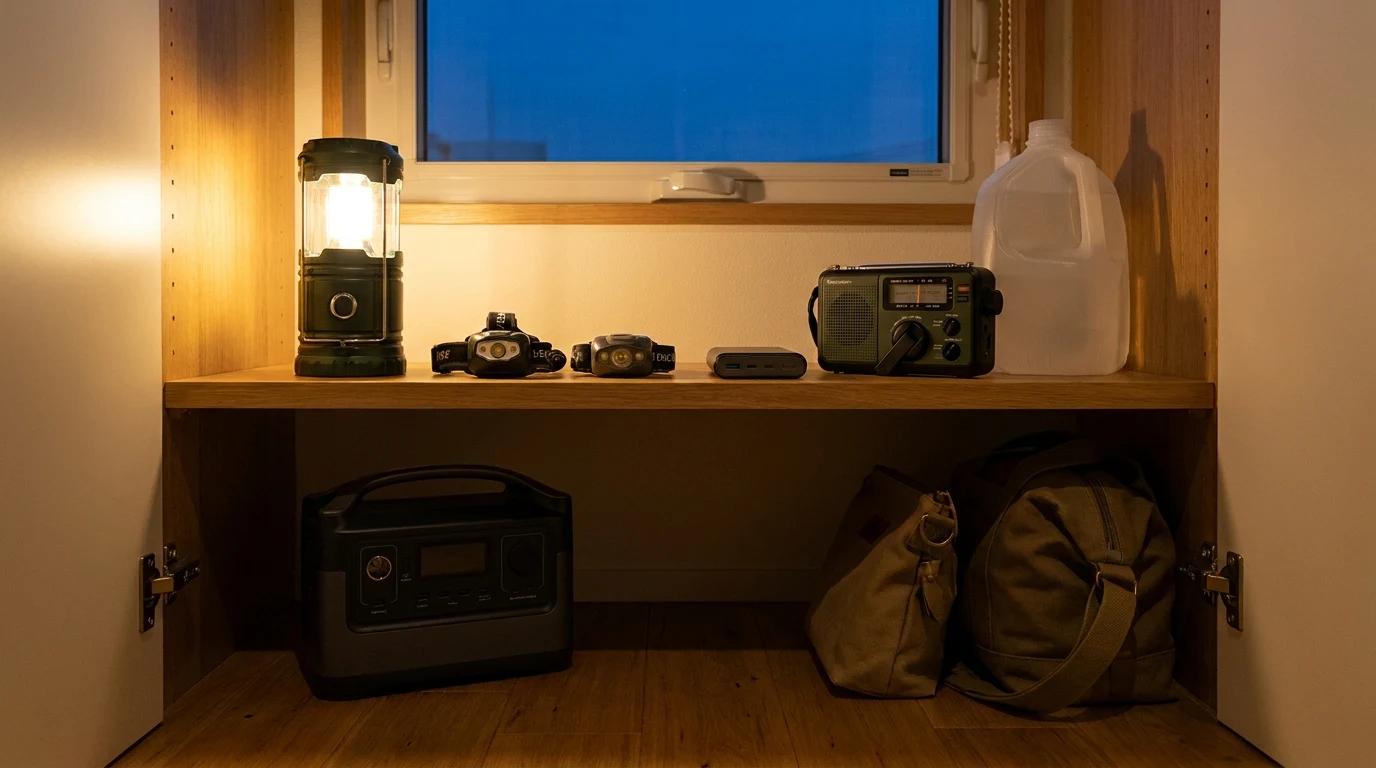
Three build-your-own outage kits, with every item listed and the totals worked out.
5 min read
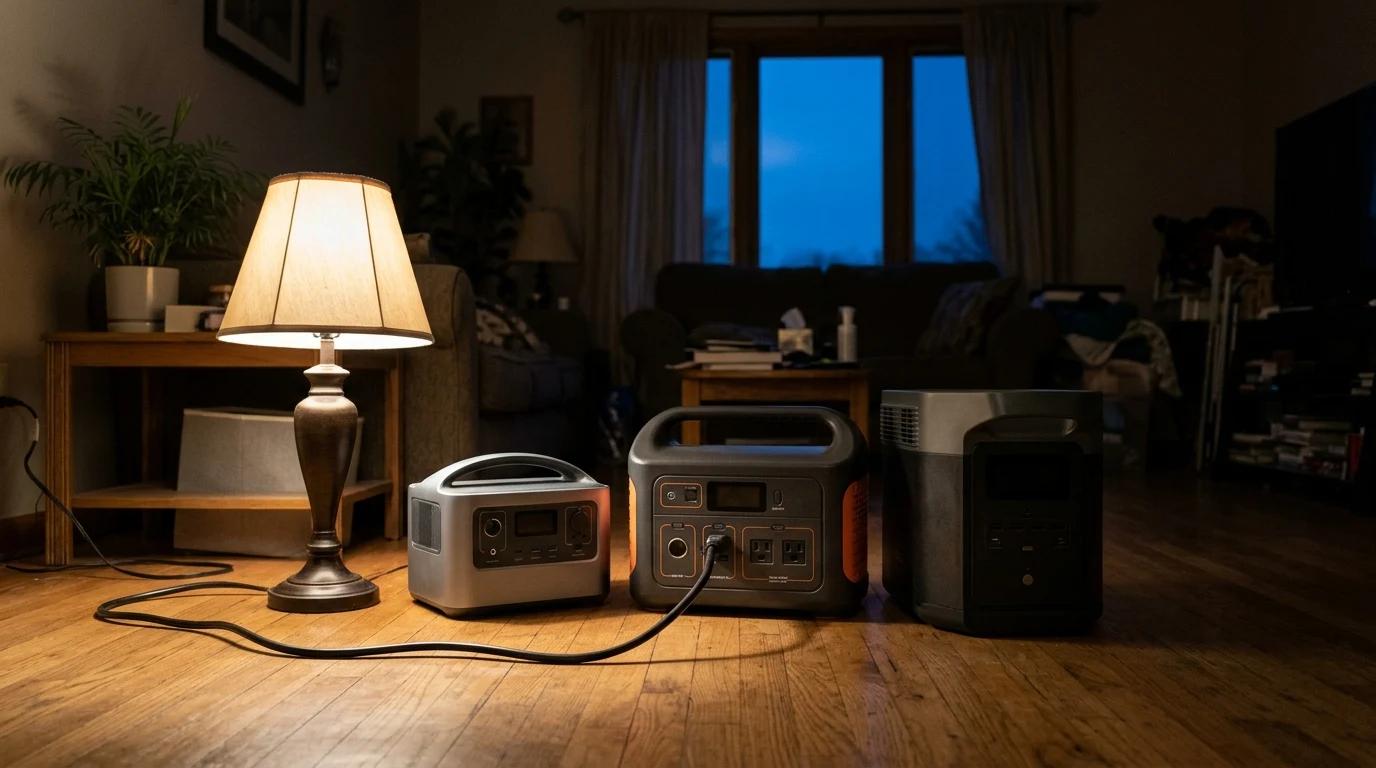
A power station suits short outages and indoor use; a generator suits long outages and heavy loads you can run 20 feet from the house.
5 min read
Multiply watts by hours, divide by 0.85, and you have your size. A fridge for a day takes about 2,400 Wh.
5 min read
A calm, ordered first hour: light, breaker, fridge door, surge protection, then a plan for food, heat and medical devices.
5 min read