Get ready for the emergency that actually happens where you live.
Pick the situation. We tell you what fails first, what to buy in what order, and what the agencies say to do.
Budget this month
Power outage kit
$318.51 of $500
1 · Lanterns
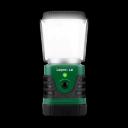
Lepro 1000LM Rechargeable Camping Lantern
$26.13Buy2 · Power banks
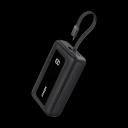 $32.99Buy
3 · Weather radios
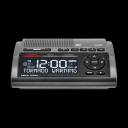
Midland WR400 Deluxe Weather Alert Radio
$99.00Buy4 · CO alarms
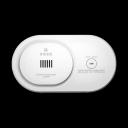 $24.97Buy
5 · Router backup
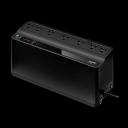 $83.99Buy
- 1
 Lepro 1000LM Rechargeable Camping LanternLanterns$26.13
- 2
 Anker Zolo 20,000mAh 30WPower banks$32.99
- 3
 Midland WR400 Deluxe Weather Alert RadioWeather radios$99.00
- 4
 Kidde COB Battery CO AlarmCO alarms$24.97
- 5
 APC Back-UPS BE600M1Router backup$83.99
+3 more inside budget · 4 more when budget allows · Tap a situation above to change the list.
Know the clock
What an outage does to your house, hour by hour
Most of what goes wrong in an outage runs on a timer you can predict. Knowing it tells you what to protect first, and what you can safely ignore for a while.
Read a thermometer, not the clock: food is fine while the fridge stays at 40°F or below and the freezer at 0°F or below. USDA FSIS
Minute 1
Light, then unplug
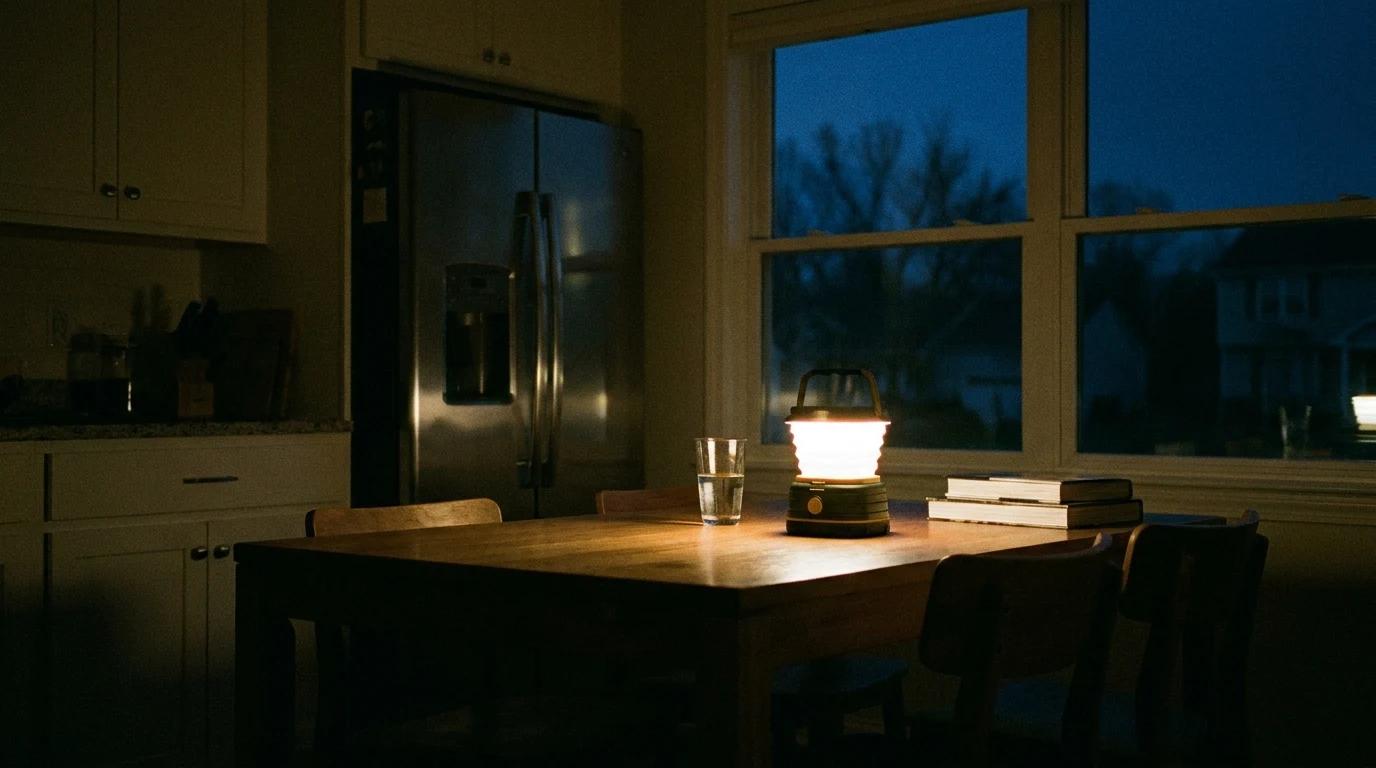
Reach for a flashlight. Turn off or unplug appliances and electronics: power can come back with surges or spikes that damage them.
4 hours
The fridge runs out
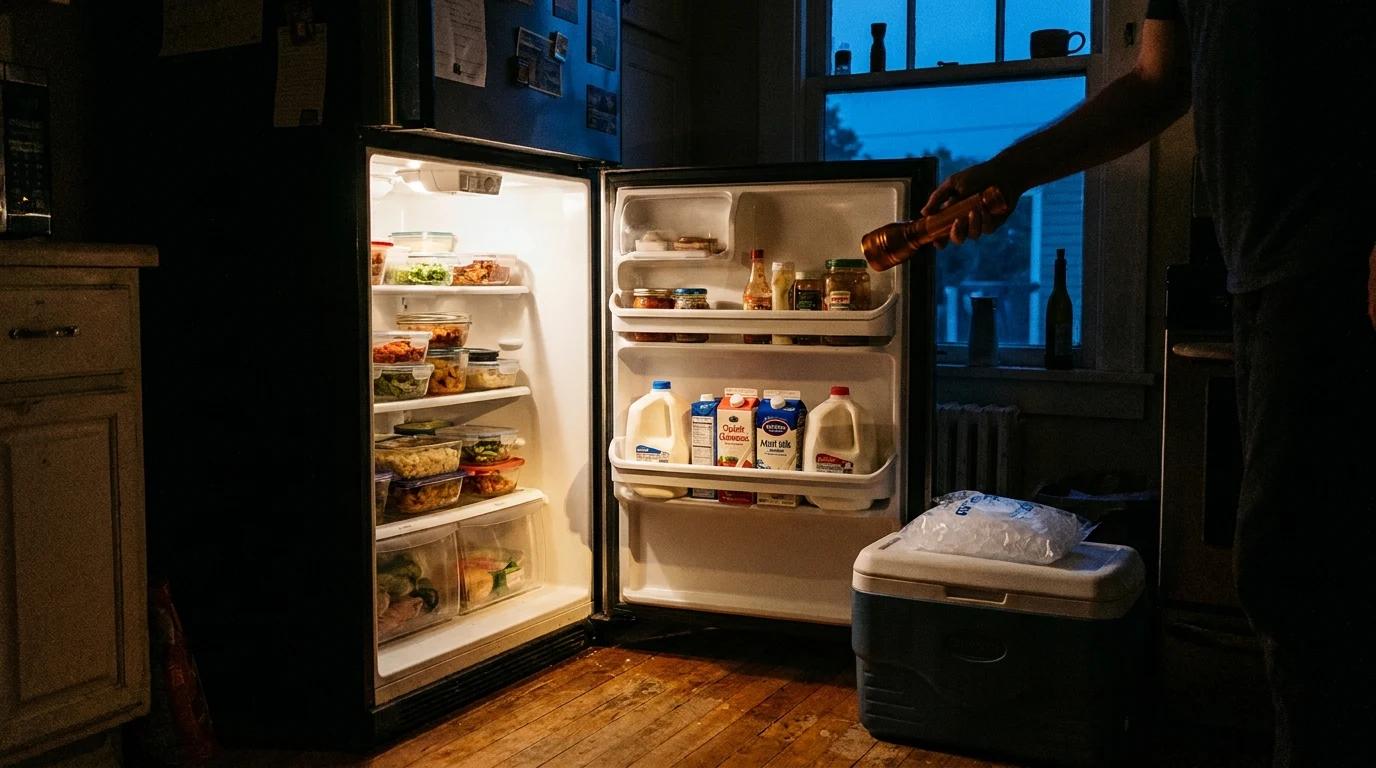
A closed fridge keeps food safe for up to 4 hours. After 4 hours without power, perishable food in it should be thrown out.
24 hours
A half-full freezer thaws
A half-full freezer holds a safe temperature for about 24 hours, if nobody opens the door.
48 hours
A full freezer thaws
A full freezer lasts about 48 hours. 50 pounds of dry ice keeps a full 18 cubic foot freezer cold for 2 days.
Day 3 +
Water and temperature
Plan one gallon of water per person per day. If the heat or cold turns extreme, go to a community location that has power.
Before you buy anything
Four rules that matter more than any gear
The gear people reach for when the power fails, generators, camp stoves and heaters, is also what fills a home with carbon monoxide. These four come straight from the agencies.
01
A generator lives outdoors
More than 20 feet from windows, doors and vents, and never in the home or garage, even with the doors and windows open.
02
CO alarms come first
Install carbon monoxide alarms with battery backup in central spots on every level, and one near every sleeping area.
03
Never heat with the stove
Never heat the home with a gas oven, and never run a camp stove or burn charcoal indoors. Carbon monoxide has no smell and no color.
04
35 feet from a downed line
Stay at least 35 feet from a fallen power line and anything it touches, and call 911 to report it.
Heating without power? Which options are safe, and which are not
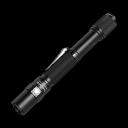
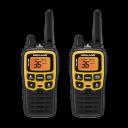
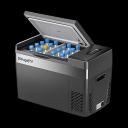
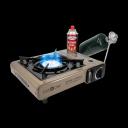
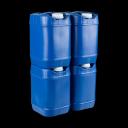

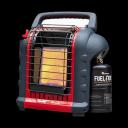
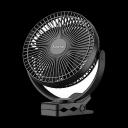
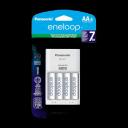
Or start from the job
Backup power
A battery station is the only backup you can run indoors. A generator goes outside, more than 20 feet from windows, doors and vents. CDC
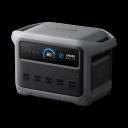
 Power stationsAnker SOLIX C1000 Gen 2$489.99
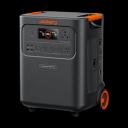
 Home batteriesJackery HomePower 3600 Plus$1,899.00
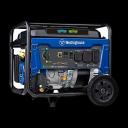
 GeneratorsWestinghouse WGen5300DFcv$579.00
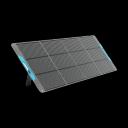
 Solar panelsRenogy 200W Portable Solar Panel$219.99
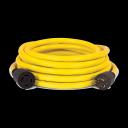
 Generator cordsChampion 25-Foot 30-Amp L14-30 Generator Power Cord$60.50
- Power banksAnker Zolo 20,000mAh 30W$32.99
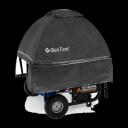
 Generator tentsGenTent Universal Open Frame Generator Tent (Standard)$127.99
Light
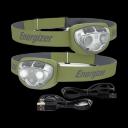
Keep a flashlight for every person in the household. A headlamp leaves both hands free for the breaker box or the stairs. Ready.gov


Stay informed
Have a way to hear news that needs no home power: a crank or battery radio, plus chargers or spare batteries for phones. Red Cross

Food and water
A closed fridge keeps food safe for up to 4 hours. Store one gallon of water per person per day, for drinking and sanitation. FoodSafety.govReady.gov


Heat, air, safety
Buy the CO alarm before anything that burns fuel: battery-backed, on every level, near every place people sleep. CDC


Home systems
A 1/3 HP sump pump runs on 500 to 800 W and can pull up to 1,600 W to start, so whatever backs it up has to cover that spike. Champion

The one sum worth knowing
How much battery do you actually need?
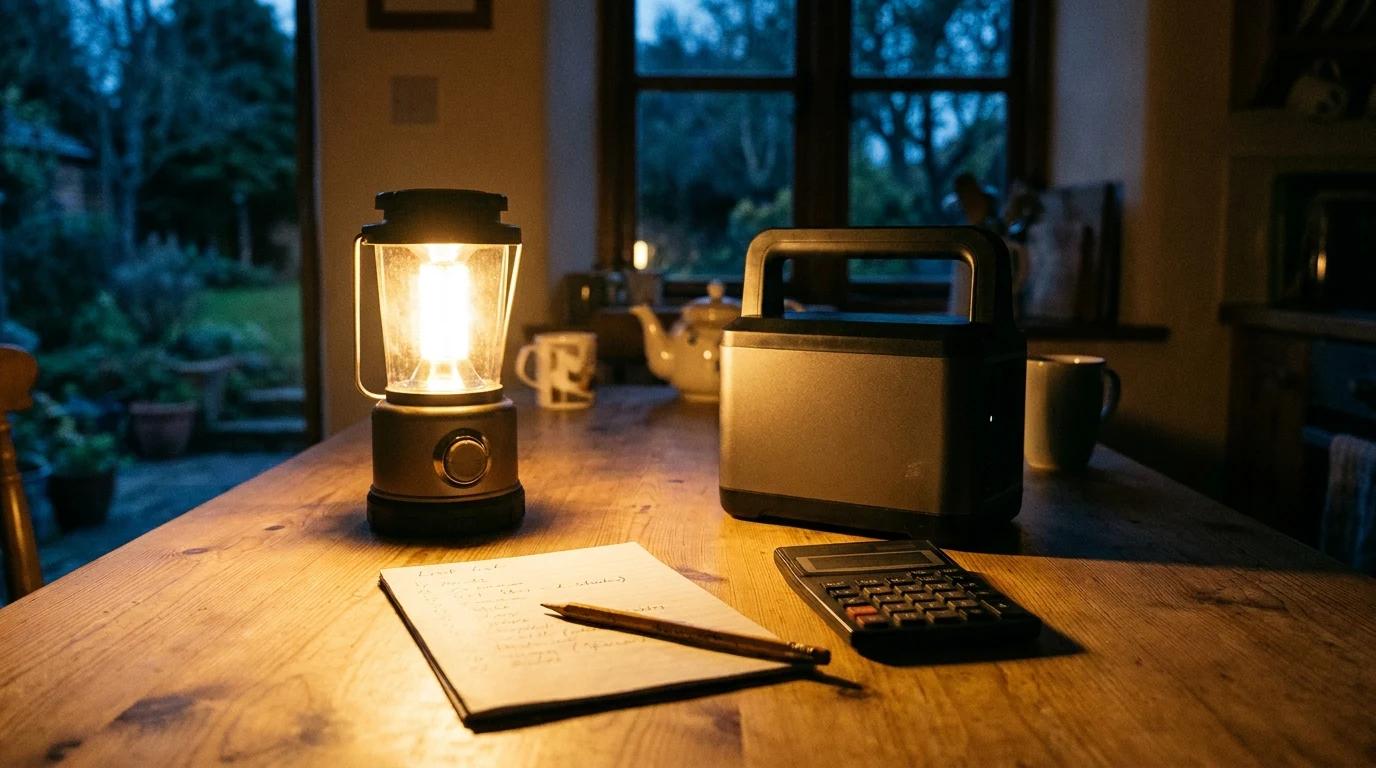
Power stations and home batteries are rated in watt-hours (Wh). To size one, multiply what a device draws by the hours you need it, then divide by 0.85 for what the inverter loses on the way to the outlet.
watts × hours ÷ 0.85 = Wh you need
Two things the sum hides. A fridge cycles, so it averages about 86 W over a day, but its compressor can pull up to 1,200 W for a moment when it starts: the battery's output has to cover that spike. And anything that makes heat eats a battery fast, which is why a space heater is a generator job, not a battery one.
Champion (watts)Silicon Valley Power (fridge average)Jackery (0.85 factor)
| What you want to run | Watts | Hours | Battery |
|---|---|---|---|
| Router and modemWi-Fi for a day | 20 | 24 | ~560 Wh |
| Phone charger × 2Two phones, a couple of hours each | 20 | 2 | ~90 Wh |
| LED bulb × 2Two lamps for an evening | 15 | 5 | ~180 Wh |
| CPAP, no heated humidifierOne night, no heated humidifier | 60 | 8 | ~560 Wh |
| RefrigeratorA full-size fridge for a day | 86 | 24 | ~2,430 Wh |
| Electric space heaterOne hour of an electric space heater | 1,500 | 1 | ~1,760 Wh |
Typical figures from the sources, sized to the top of each range, not measurements of any one model. Your own appliance's label beats them.
Costs nothing
Six things to do tonight, no shopping needed
- 1
Walk the house and list everything that runs on electricity. Mark the ones you cannot do without; those are your plan. Ready.gov
- 2
Keep the car's gas tank at least half full, so leaving stays an option. Red Cross
- 3
If anyone uses a powered medical device or refrigerated medicine, make an outage plan with the doctor, and tell your electric company and fire department. FDA
- 4
Look up your evacuation zone and the routes out of it. Ready.gov
- 5
Check your insurance: homeowner's policies do not cover flooding, and a new flood policy can take up to 30 days to start. Ready.gov
- 6
Decide in advance what would make you leave, such as a medical device that can no longer run. Red Cross
Not sold here
The kit items nobody ranks
Some of the most useful things in a kit are already in your house. Ready.gov's basic kit lists:
- First aid kit
- Prescription medicines
- Manual can opener
- Cash
- Copies of important documents
- Whistle
Read before the lights go out
All guides- What to Do When the Power Goes Out: First-Hour ChecklistWhat to do when the power goes out: get light, check the breaker, keep the fridge shut, unplug electronics, and know the 4-hour food rule. In order.5 min read
- How Long Is Food Safe in a Power Outage?Fridge food is safe for up to 4 hours in an outage and a full freezer about 48. What to keep, what to toss, and how a cooler or battery buys you time.5 min read
- What Size Power Station Do I Need? The Simple ArithmeticMultiply watts by hours and divide by 0.85. A fridge for a day takes about 2,400 Wh, and a router and phones take under 300 Wh. Here is the full method.5 min read
- How to Keep Wi-Fi On During a Power OutageA modem and router draw 10 to 20 W, so 3 hours of Wi-Fi takes about 71 Wh. Here is the arithmetic, which backup fits, and when your provider is the limit.5 min read
Situation guides, every step sourced
- Power outage: before, during, afterFoodSafety.gov · CDC · Ready.gov · FDA
- Hurricane: before, during, afterNWS · Ready.gov
- Winter storm: before, during, afterReady.gov · NWS
- Flood: before, during, afterReady.gov
- Wildfire & smoke: before, during, afterAirNow
- Extreme heat: before, during, afterReady.gov
- Tornado: before, during, afterReady.gov · NWS
- Earthquake: before, during, afterReady.gov
How we work
We research, we do not test. We quote agencies, not influencers.
Each pick is scored on three specs the maker states, value against its peers, and owner ratings. The score supports the pick; the write-up names the trade-off.
Full methodology