Guide
Power Station vs Generator: Which One Fits Your Outage?
Outage Ready Editorial · Updated November 2, 2026 · 5 min read
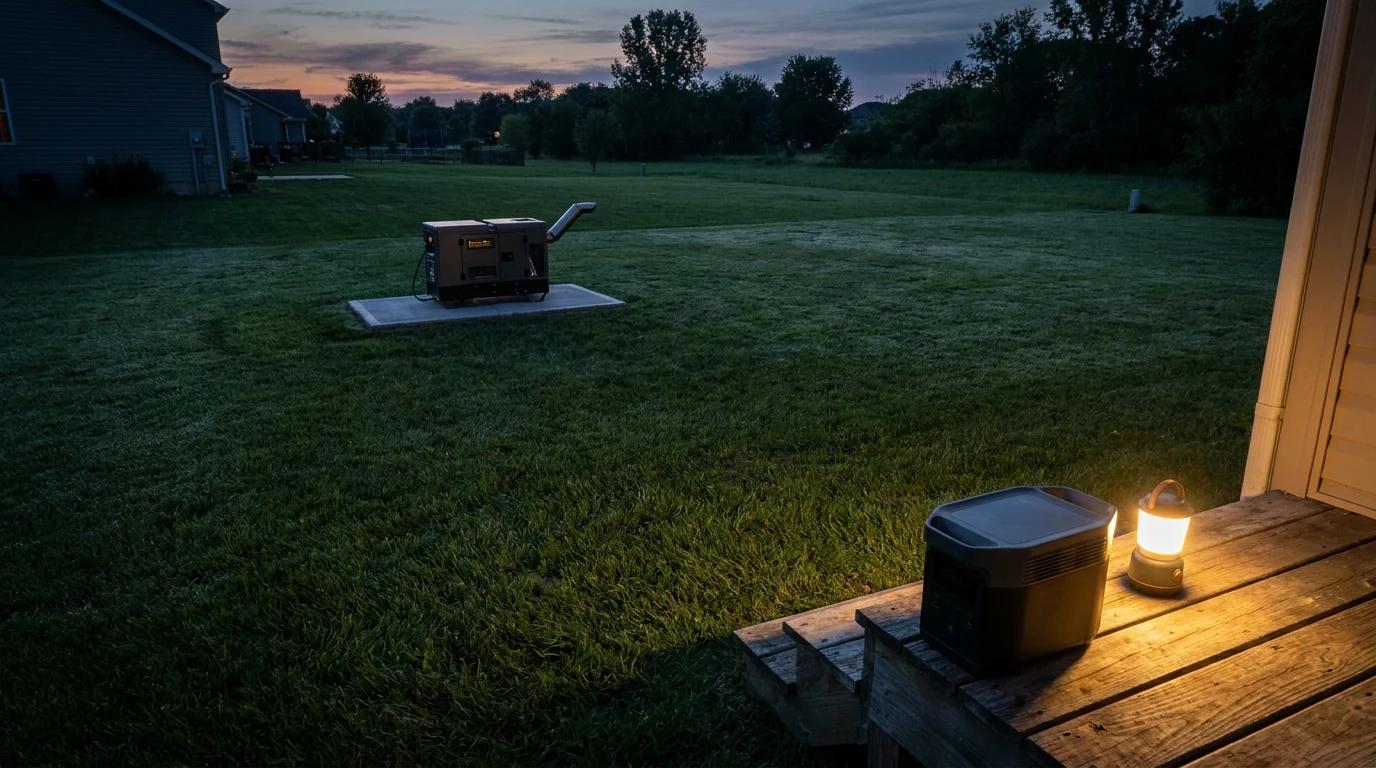
Quick answer
Choose a power station if your outages last hours or you have nowhere safe to run an engine, and a generator if they last days or you must run a well pump or central air.
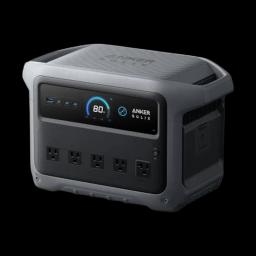
#1 · Short outages, any home
Anker SOLIX C1000 Gen 2
4.7 (1,771)Battery. About 10 fridge hours, indoors, close to silent.
$489.99Buy on Amazon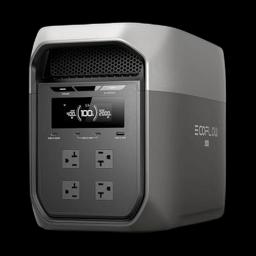
#2 · A fridge and freezer overnight
EcoFlow DELTA 3 Max
4.7 (654)Battery. About 12 hours for both.
$854.00Buy on Amazon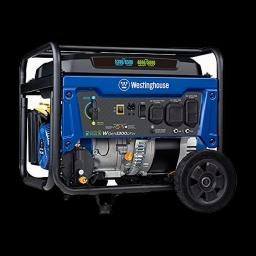
#3 · Multi-day outages with a yard
Westinghouse WGen5300DFcv
4.5 (1,048)Generator. 5,300 running watts on gas, outdoors only.
$579.00Buy on Amazon
#4 · Low-cost long-outage backup
Westinghouse WGen3600DFcv
4.6 (239)Generator. 3,600 running watts, 120 V outlets, outdoors only.
$399.00Buy on Amazon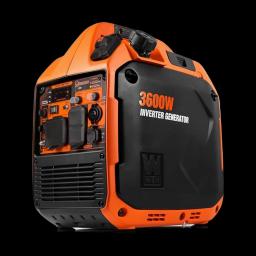
#5 · Essentials with close neighbors
WEN DF360iX
4.4 (551)Generator. 2,900 running watts inverter at 49 lb, outdoors only.
$521.00Buy on Amazon
| Pick | Best for | Ready | Buy |
|---|---|---|---|
 1. Anker SOLIX C1000 Gen 2 4.7 (1,771) | Short outages, any home Battery. About 10 fridge hours, indoors, close to silent. | 73 | $489.99Buy on Amazon |
 2. EcoFlow DELTA 3 Max 4.7 (654) | A fridge and freezer overnight Battery. About 12 hours for both. | 65 | $854.00Buy on Amazon |
 3. Westinghouse WGen5300DFcv 4.5 (1,048) | Multi-day outages with a yard Generator. 5,300 running watts on gas, outdoors only. | 71 | $579.00Buy on Amazon |
 4. Westinghouse WGen3600DFcv 4.6 (239) | Low-cost long-outage backup Generator. 3,600 running watts, 120 V outlets, outdoors only. | 63 | $399.00Buy on Amazon |
 5. WEN DF360iX 4.4 (551) | Essentials with close neighbors Generator. 2,900 running watts inverter at 49 lb, outdoors only. | 65 | $521.00Buy on Amazon |
Key takeaways
- A power station has no exhaust and can run indoors; a generator must run outside, more than 20 feet from windows, doors and vents.
- A 1,000 Wh station runs a fridge for about 10 hours, then needs recharging.
- Consumer Reports says a comparably sized generator powers essentials longer and costs less.
- If you have a yard, long outages and a well pump, a generator wins; in an apartment, it is a power station.
The short answer
Choose a power station if your outages last hours or you have nowhere safe to run an engine, and a generator if they last days or you must run a well pump or central air. Everything else follows from those two questions.
| Power station | Portable generator | |
|---|---|---|
| Where it runs | Indoors or out | Outside only, more than 20 feet from windows, doors and vents |
| Exhaust | None | Carbon monoxide |
| Noise | Quiet apart from a fan; Jackery states 28 dB for the Explorer 500 v2 | Westinghouse states 68 dBA for the WGen5300DFcv |
| Limit | Stored energy, then a recharge | Fuel you have on hand |
| Heavy loads | Limited by the inverter | Stronger for the money |
Start with where it can run
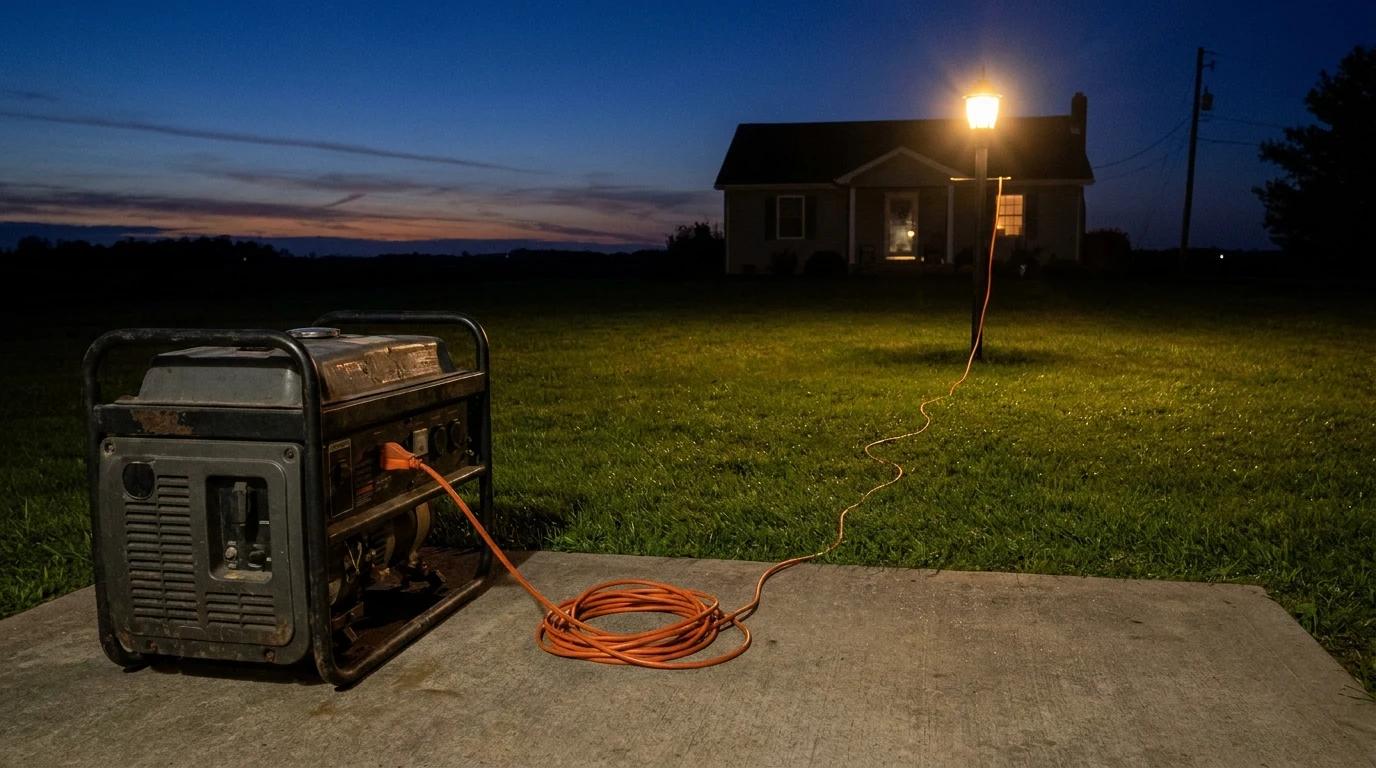
A generator is only an option if you can place it outside and more than 20 feet from windows, doors and vents. The CDC says never to use one in a home or garage, even with doors and windows open. In a 2022 release, CPSC estimated that portable generators have been associated with 790 non-fire CO poisoning deaths since 2008, and it urges buyers to look for a model with an automatic CO shutoff.
If you rent, live in a condo, or have a yard smaller than that distance, the decision is made. Buy a power station. Consumer Reports notes power stations do not pose a CO risk.
Worth remembering: a CO shutoff is a backstop. It does not make a generator safe to run in a garage.
Then look at how long your outages last
A battery runs out and needs a power source to refill. A 1,000 Wh station runs a fridge for about 10 hours, and a full day takes about 2,400 Wh. Without grid power or sun, that is the end of it.
A generator keeps running while you have fuel. Westinghouse states up to 14.5 hours per tank on the WGen5300DFcv, and you can refill it. Consumer Reports says a comparably sized generator powers your essentials longer and is less expensive, while it rates power stations as handy for shorter outages.
The catch is fuel. Champion says gasoline can begin degrading after several months unless stabilized, while propane does not degrade. That is the case for a dual-fuel model, because a generator mostly sits idle between storms.
Then the loads
Run your list through Champion's method: total running watts plus the highest starting watts. Using the top of its ranges, a fridge, a 1/2 HP furnace fan, a router and two LED bulbs peak at 2,850 W. A power station with a 3,000 W output can start that, but it will run through its stored energy quickly, since the furnace fan alone draws up to 800 W.
Add a 1/2 HP well pump, which starts at up to 2,000 W, or a 3-ton central AC, which starts at up to 6,000 W, and a generator becomes the practical choice. The generator sizing tool does this for your list. Batteries can do this too at whole-circuit scale, with a much higher price to match.
What living with each one is like
Fuel for a three-day outage. Westinghouse states up to 14.5 hours on the 4.7-gallon tank of the WGen5300DFcv. Running around the clock for 72 hours is about five tanks at best, or about 23 gallons, and heavier loads burn more. Gas stations can lose power too, so count what you can safely store. Propane avoids the degrading problem, with some power loss: Champion puts it about 10% below gasoline.
Upkeep. A generator needs oil and fresh or stabilized fuel, and it needs starting from time to time so it works when you need it. A power station asks only for an occasional top-up. Anker states at least 80% capacity after 4,000 cycles for the C1000 Gen 2, so backup use will not wear it out soon.
Weather. A generator has to run outside and stay dry. Ready.gov warns that touching a wet generator or connected devices can cause shock. A station stays inside with you, which matters most in the storm that caused the outage.
Noise at night. Westinghouse states 68 dBA for the WGen5300DFcv, loud enough to carry to the neighbors, and the required distance does not fully solve that. A station beside the fridge is close to silent.
Picks if you choose a power station
- Anker SOLIX C1000 Gen 2 $489.99: our pick for most homes, at about 10 fridge hours.
- EcoFlow DELTA 3 Max $854.00: about 20 fridge hours, or about 12 with a freezer.
- Anker SOLIX F3000 $1,699.99: about 30 fridge hours on one charge.
More detail is in the best power station for an outage.
Picks if you choose a generator
All three state a CO shutoff, and all three run outdoors only.
- Westinghouse WGen5300DFcv $579.00: 5,300 running watts on gas, with a 30-amp outlet ready for a transfer switch.
- Westinghouse WGen3600DFcv $399.00: the low-cost dual-fuel pick at 3,600 running watts, with 120 V outlets only.
- WEN DF360iX $521.00: a 49 lb dual-fuel inverter for essentials, and the one to choose when neighbors are close.
Connecting one to your house takes more than a cord. OSHA warns that attaching a generator to a building without a properly installed transfer switch can energize wiring for great distances, which risks electrocuting utility workers. Run cords to appliances, or have an electrician fit the switch. See generator cords and inlets.
When both make sense
A battery and a small generator cover each other's weak spots. The battery runs the fridge and router silently overnight, and the generator recharges it during the day from its spot outside. Jackery states a gas generator recharges the HomePower 3600 Plus in about 2.5 hours.
Rule of thumb: buy the battery first if you might only ever need one night. Add the generator once your outages prove they last longer.
Which fits your home
- Apartment, condo or no yard
- Power station
- A generator needs to be outside and more than 20 feet from openings.
- Overnight outages, fridge and Wi-Fi
- Power station
- About 1,000 Wh runs a fridge for about 10 hours, silently.
- Outages of several days
- Generator
- You can refuel it; a battery needs a power source to refill.
- Well pump or central air
- Generator
- A 1/2 HP well pump starts at up to 2,000 W, and a 3-ton AC at up to 6,000 W.
- Both matter
- Both
- A small generator can recharge a station in daylight.
Questions people ask
Can I run a generator in the garage with the door open?
No. The CDC says never to use a generator inside a home or garage, even with doors and windows open, and to keep it outside and more than 20 feet from windows, doors and vents.
Is a power station cheaper than a generator?
Not for the same output. Consumer Reports says a comparably sized generator powers essentials longer and is less expensive, though you also buy fuel and keep up maintenance.
Can a generator recharge a power station?
Many can. Jackery states a gas generator recharges its HomePower 3600 Plus in about 2.5 hours. Keep the generator outside at the safe distance and bring only the cord in.
Which is quieter?
The power station. Jackery states 28 dB for the Explorer 500 v2, while Westinghouse states 68 dBA for the WGen5300DFcv.
Sources for this guide
- CDC: carbon monoxide poisoning basics
- CPSC: report on voluntary standards for portable generator CO
- Consumer Reports: portable generators and power stations
- OSHA: portable generator hazards fact sheet
- Champion: generator wattage chart
- Champion: gasoline, propane and natural gas compared
- Ready.gov: power outages
Outage Ready Editorial
We work out the arithmetic and read the maker and agency pages so you do not have to. About us.
Read next
Best Power Station for a Power Outage: Sized for Real Nights
About 1,000 Wh runs a fridge for about 10 hours, and the Anker SOLIX C1000 Gen 2 is the one most homes should buy.
5 min read
What Size Power Station Do I Need? The Simple Arithmetic
Multiply watts by hours, divide by 0.85, and you have your size. A fridge for a day takes about 2,400 Wh.
5 min read