Guide
Do You Need a NOAA Weather Radio If You Have Phone Alerts?
Outage Ready Editorial · Updated November 26, 2026 · 5 min read
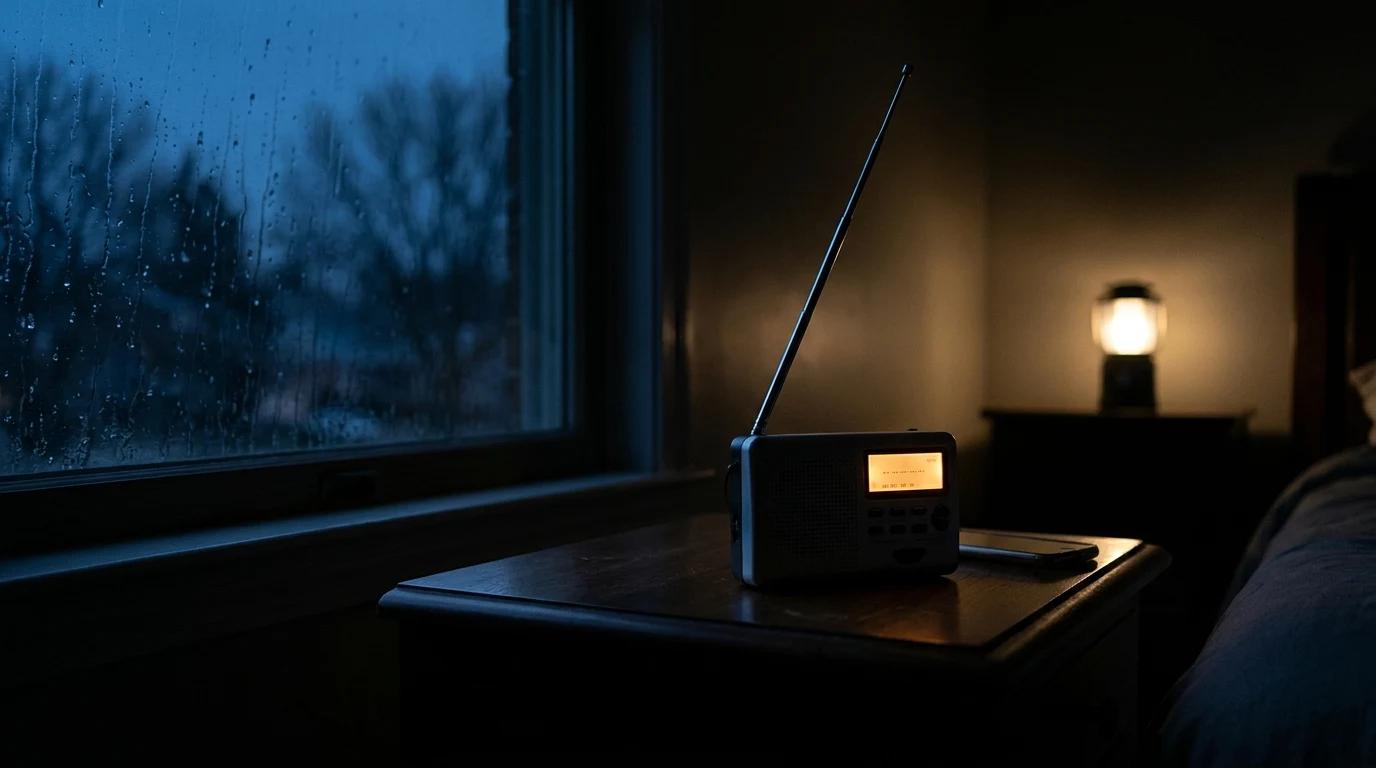
Quick answer
Yes, if a winter storm, an ice storm or an overnight warning could catch you: the National Weather Service sends phone alerts only for its most urgent warnings, while NOAA Weather Radio broadcasts warnings and watches around the clock and an alert radio can wake you with the volume off.
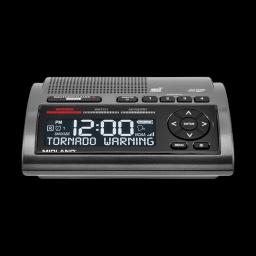
#1 · The nightstand
Midland WR400 Deluxe Weather Alert Radio
4.5 (4,653)Public Alert certified, up to 25 counties, 4 AA backup; on the NWS logo list.
$99.00Buy on Amazon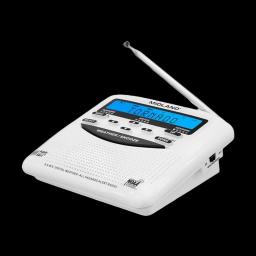
#2 · A bedside alert radio for less
Midland WR120B Weather Alert Radio
4.5 (24,397)County programming; the WR120 is on the NWS logo list.
$49.90Buy on Amazon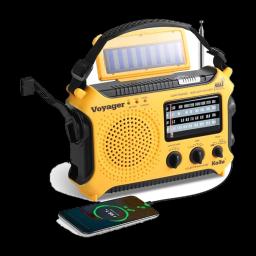
#3 · One radio for alerts and days without power
Kaito KA500 Emergency Weather Radio
4.5 (6,992)On the NWS logo list; crank, solar, AA or USB power.
$54.99Buy on Amazon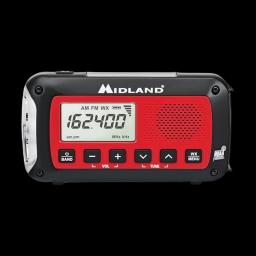
#4 · A compact crank radio
Midland ER40 Emergency Crank Weather Radio
4.4 (319)Weather alerts and a 2,600 mAh battery charged by crank, solar or USB.
#5 · A low-cost crank radio
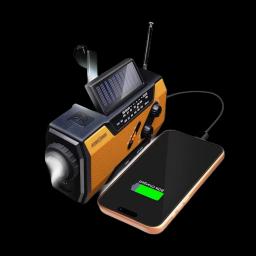
FosPower A1 Emergency Weather Radio
4.6 (38,003)Weather band and a 7.4 Wh power bank; alert feature not stated.
$59.99Buy on Amazon
#6 · Walkie-talkies that also alert
Motorola Talkabout T475 Extreme 2-Pack
4.3 (887)FRS radios with NOAA weather alerts; the T475 is on the NWS logo list.
$79.99Buy on Amazon
| Pick | Best for | Ready | Buy |
|---|---|---|---|
 1. Midland WR400 Deluxe Weather Alert Radio 4.5 (4,653) | The nightstand Public Alert certified, up to 25 counties, 4 AA backup; on the NWS logo list. | 56 | $99.00Buy on Amazon |
 2. Midland WR120B Weather Alert Radio 4.5 (24,397) | A bedside alert radio for less County programming; the WR120 is on the NWS logo list. | 64 | $49.90Buy on Amazon |
 3. Kaito KA500 Emergency Weather Radio 4.5 (6,992) | One radio for alerts and days without power On the NWS logo list; crank, solar, AA or USB power. | 80 | $54.99Buy on Amazon |
 4. Midland ER40 Emergency Crank Weather Radio 4.4 (319) | A compact crank radio Weather alerts and a 2,600 mAh battery charged by crank, solar or USB. | 83 | |
 5. FosPower A1 Emergency Weather Radio 4.6 (38,003) | A low-cost crank radio Weather band and a 7.4 Wh power bank; alert feature not stated. | 60 | $59.99Buy on Amazon |
 6. Motorola Talkabout T475 Extreme 2-Pack 4.3 (887) | Walkie-talkies that also alert FRS radios with NOAA weather alerts; the T475 is on the NWS logo list. | 69 | $79.99Buy on Amazon |
Key takeaways
- NWS sends phone alerts (WEA) only for tornado, hurricane, typhoon, storm surge, tsunami, extreme wind, dust storm and snow squall warnings, plus the most dangerous tiers of severe thunderstorm and flash flood warnings.
- Winter storm and ice storm warnings and watches are not on the NWS list for phones; NOAA Weather Radio broadcasts them.
- NWS sends a 1050 Hz tone before most warnings and many watches that turns on equipped radios even with the volume off.
- NOAA Weather Radio reception typically reaches about 40 miles from the transmitter, so check your county before you buy.
- Of our picks, the Midland WR400, the WR120 family, the Kaito KA500 and the Motorola T475 appear on the NWS logo list.
What your phone will wake you for
Your phone gets National Weather Service warnings through Wireless Emergency Alerts (WEA). NWS explains that once a warning reaches FEMA's alert system, carriers broadcast it from cell towers in the threat area straight to phones. No app or sign-up is needed.
The catch is the list. NWS sends WEA for only these warnings:
- Tornado, hurricane, typhoon and storm surge
- Tsunami, extreme wind, dust storm and snow squall
- Severe thunderstorm, but only when the damage threat is destructive
- Flash flood, but only when the damage threat is considerable or catastrophic
Local officials can also send WEA for evacuations and other emergencies. Everything else NWS issues never reaches you as a WEA.
A NOAA Weather Radio works differently. NWS says its stations broadcast warnings, watches, forecasts and other hazard information 24 hours a day. Before most warnings and many watches, NWS sends a 1050 Hz tone that turns on equipped receivers even with the audio off. That tone is the whole reason a radio earns a spot on the nightstand.
The warnings that come before an outage
Here is the NWS list set beside the weather radio. Each WEA cell reflects NWS's published WEA message types. The radio column is what NWS says the network broadcasts. NWS sends the tone before most warnings; which ones sound out loud also depends on your radio's event settings.
| Warning | Phone (WEA) | Weather radio |
|---|---|---|
| Tornado | Yes | Broadcast |
| Hurricane or storm surge | Yes | Broadcast |
| Extreme wind | Yes | Broadcast |
| Severe thunderstorm | Destructive tier only | Broadcast |
| Flash flood | Considerable or catastrophic only | Broadcast |
| Winter storm or ice storm | Not on the NWS list | Broadcast |
| Watches of any kind | Not on the NWS list | Broadcast, tone for many |
The gap: the ice storm and winter storm warnings our ice storm guide plans around are not on the NWS list for phones. A radio covers them.
Three ways a phone alert misses you
The tower goes dark
WEA comes from towers in the threat area. If the tower that serves your house loses power or is damaged, the broadcast has nothing to ride on. The same is true for a phone that is switched off or flat.
The setting is off
Ready.gov says older phones may not be WEA capable, and some models make you turn the alerts on. Carriers may label them "Government Alerts" or "Emergency Alert Messages." Look for that wording in your phone's notification settings.
The message is short
NWS says a WEA message is up to 360 characters on 4G LTE and newer networks, and 90 characters on 3G and older. It tells you to act and points you elsewhere for detail. The radio is one of the places NWS lists for those details.
Here is how the two compare:
- Phone alerts are good at: reaching you wherever you are, costing nothing, and getting through when the network is congested, which Ready.gov confirms.
- An alert radio is good at: waking a household at night, covering winter and watch-level alerts, and running on backup batteries when the house is dark.
Where the radio fails too
A radio is not magic either, and two honest limits belong in the decision.
- Range. NWS says reception typically extends about 40 miles from the transmitter on level terrain. Some counties, especially in mountains, get partial or unreliable coverage. Check yours on the NWS county coverage listing before you buy.
- Transmitters lose power too. The NWS outage page marks a station "Out of Service" when it stops working because of problems such as a power outage or antenna damage.
That is why NWS calls battery backup crucial on a receiver, since outages often come with storms, while still recommending AC power for everyday use to save the batteries.
Which of our radios carry the NWS logo
NWS does not recommend brands. It tells buyers to look for the Public Alert or NOAA Weather Radio All Hazards logo, and it publishes the models approved to carry that logo. We checked our radio picks against that list.
| Radio | NWS logo list | Alert feature (maker or listing) |
|---|---|---|
| Midland WR400 | Listed | Public Alert, up to 25 counties |
| Midland WR120B | WR120 listed | County programming |
| Kaito KA500 | Listed | NOAA weather alert |
| Motorola Talkabout T475 | Listed | NOAA weather alerts |
| Midland ER40 | Not listed | Weather alerts |
| FosPower A1 | Not listed | Weather band, alert not stated |
Not listed does not mean useless. It means NWS has not evaluated that model for the logo, so you rely on the maker's word alone.
For the bedroom, the Midland WR400 is the one to plug in, and the Midland WR120B does the same job for less. If you want one radio that also works away from the wall, the Kaito KA500 is on the logo list and runs from a crank, solar, AA cells or USB. The Midland ER40 and the FosPower A1 are portable crank radios for keeping informed after the alert. A pair of Motorola T475 walkie-talkies adds weather alerts to the radios you use to talk.
Set it up in ten minutes
Midland's WR400 manual gives the order; most desktop alert radios work the same way.
- Look up your county's SAME code and your transmitter's frequency on the NWS county listing.
- Extend the antenna fully.
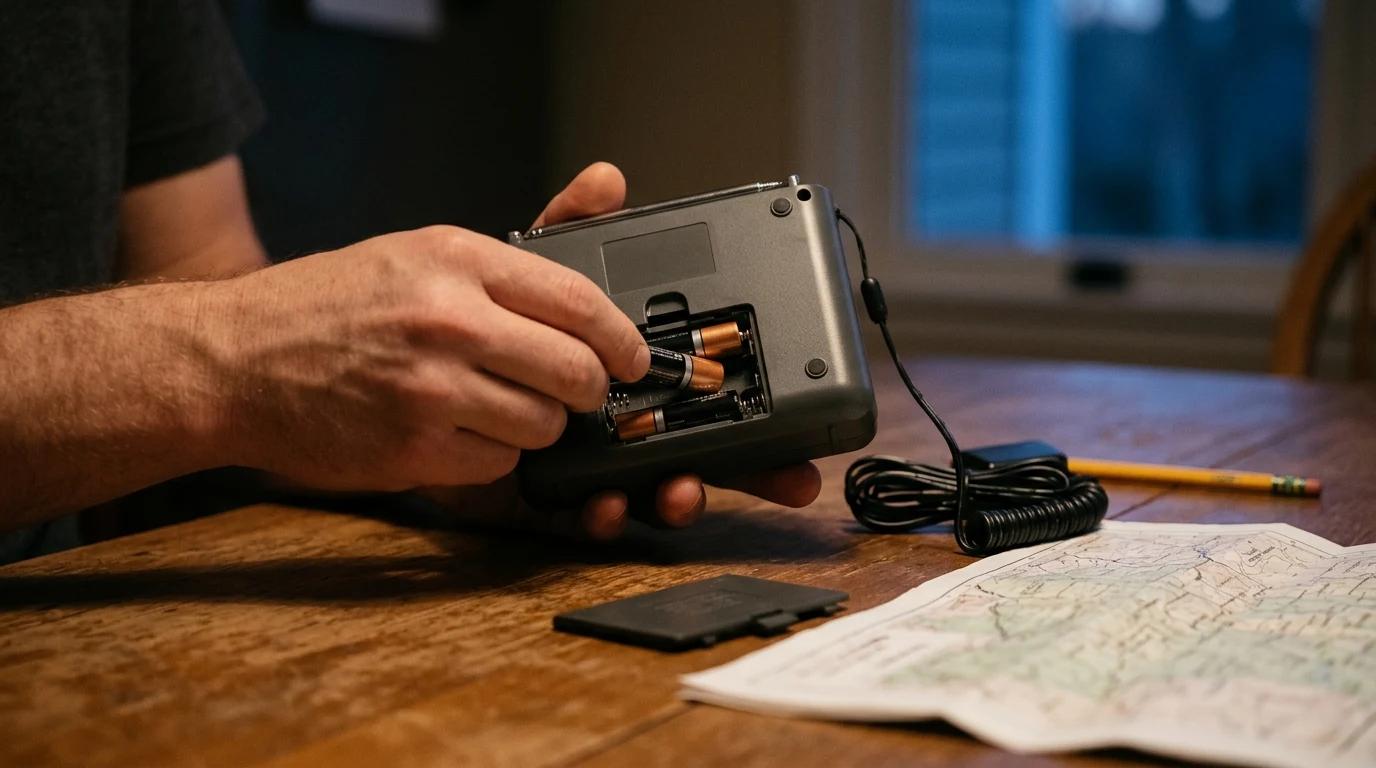
- Put in 4 AA batteries, then plug in the AC adapter. Midland says to install batteries so the radio keeps working when the power fails.
- In SET LOCATION, choose SINGLE or MULTIPLE and pick your county. Avoid ANY: the manual says it receives every alert and lets you choose no county.
- Turn off events you never need, if the radio allows it. NWS calls this event blocking.
Wednesday check: NWS normally tests the alarm each Wednesday between 10 a.m. and noon local time, later if severe weather threatens. Midland says its desktop radios keep that test silent by default, showing Required Weekly Test on the display instead. A quiet Wednesday is normal; read the screen.
If the radio picks up nothing, Midland's troubleshooting table says to move it near a window in a metal building, and to add an external antenna in a weak-signal area. Plain AM/FM sets cannot help here: NWS broadcasts on seven VHF frequencies from 162.400 to 162.550 MHz.
Do you need one?
- You want a warning to wake you at night
- Midland WR400
- NWS says its tone alarm turns on equipped receivers even with the audio off.
- Ice storms and winter storms cause your outages
- Midland WR120B
- Winter storm and ice storm warnings are not on the NWS list of phone alerts.
- One radio for alerts and for days without power
- Kaito KA500
- On the NWS logo list, with crank, solar, AA and USB power.
- You already have an alert radio and want a portable one
- Midland ER40
- Crank, solar or USB charging into a 2,600 mAh battery.
- You live far from a transmitter or in the mountains
- Check the NWS county listing first
- NWS says reception typically reaches about 40 miles on level terrain.
Questions people ask
Do I need a NOAA weather radio if I have a smartphone?
Your phone covers the most urgent warnings, such as tornadoes and hurricanes. NWS does not send winter storm, ice storm or watch alerts to phones, and a radio can wake you even when the phone is silent or the cell tower is down.
Will a weather radio work in a power outage?
Yes, if it has backup batteries. NWS calls battery backup crucial because outages often come with storms, and Midland says to keep AA cells in the WR400 even though it runs on AC.
Can a regular AM/FM radio pick up NOAA weather?
No. NWS broadcasts on seven VHF frequencies from 162.400 to 162.550 MHz, which a simple AM/FM radio cannot receive.
Why did my weather radio stay quiet during the Wednesday test?
Midland says its desktop radios treat the Required Weekly Test as silent by default and show it on the display. NWS normally runs the test on Wednesdays between 10 a.m. and noon local time.
What is a SAME code?
Specific Area Message Encoding. You enter your county's code so the radio sounds only for alerts in your area. NWS lists the codes by state and county.
Sources for this guide
- National Weather Service: Wireless Emergency Alerts FAQ
- National Weather Service: how warnings are disseminated
- National Weather Service: NOAA Weather Radio receivers and logo-approved models
- National Weather Service: NOAA Weather Radio All Hazards and station outages
- National Weather Service: NWR county coverage and SAME codes by state
- National Weather Service: NWR alarm test procedures
- Ready.gov: emergency alerts
- Midland: WR400 owner's manual (PDF)
- Midland: WR400 product page and FAQ
Outage Ready Editorial
We work out the arithmetic and read the maker and agency pages so you do not have to. About us.
Read next

What to Do When the Power Goes Out: First-Hour Checklist
A calm, ordered first hour: light, breaker, fridge door, surge protection, then a plan for food, heat and medical devices.
5 min read
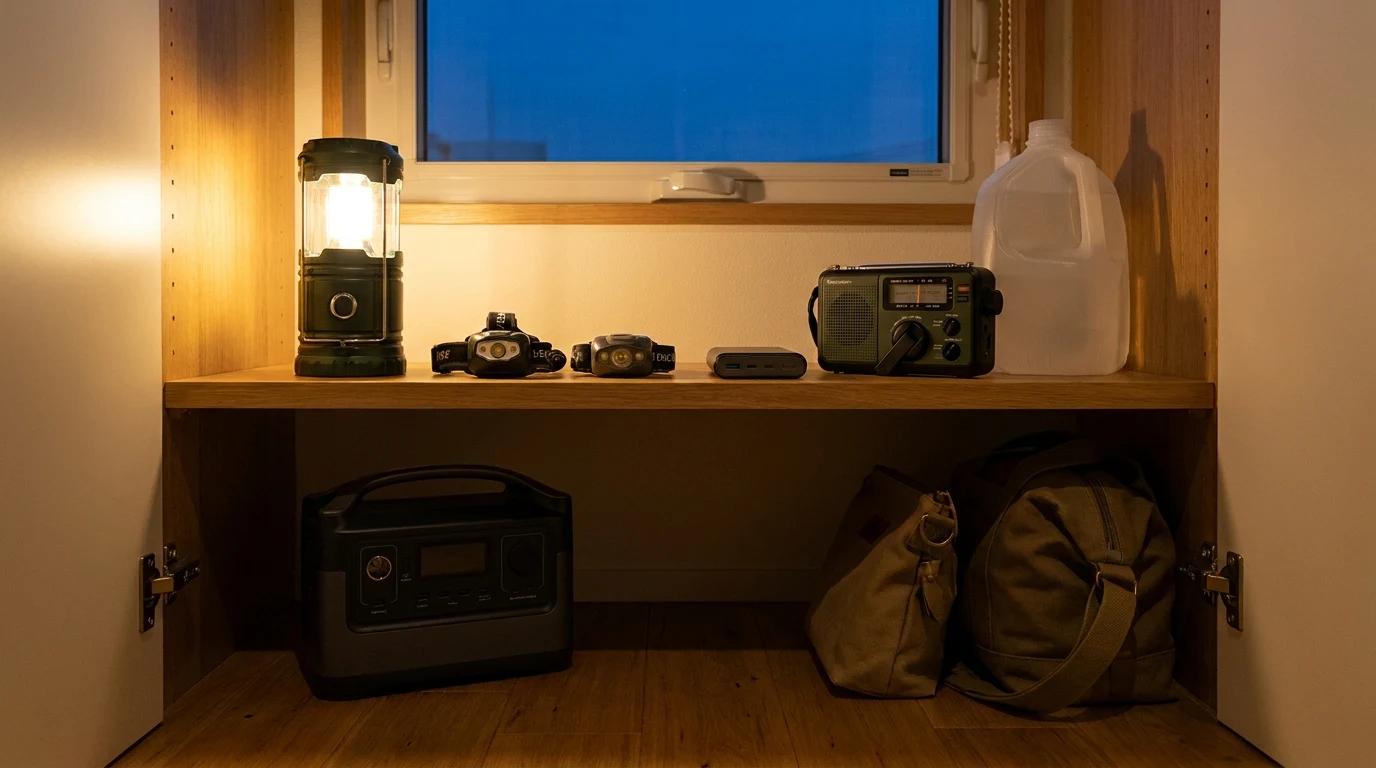
Power Outage Kit Checklist: Starter, Household, Full
Three build-your-own outage kits, with every item listed and the totals worked out.
5 min read
FRS vs GMRS: Which Radios Need a License?
FRS needs no license and tops out at 2 watts. GMRS needs an FCC license that covers your family and allows more power.
5 min read