Guide
Transfer Switch vs Interlock Kit: Which to Install?
Outage Ready Editorial · Updated November 21, 2026 · 5 min read
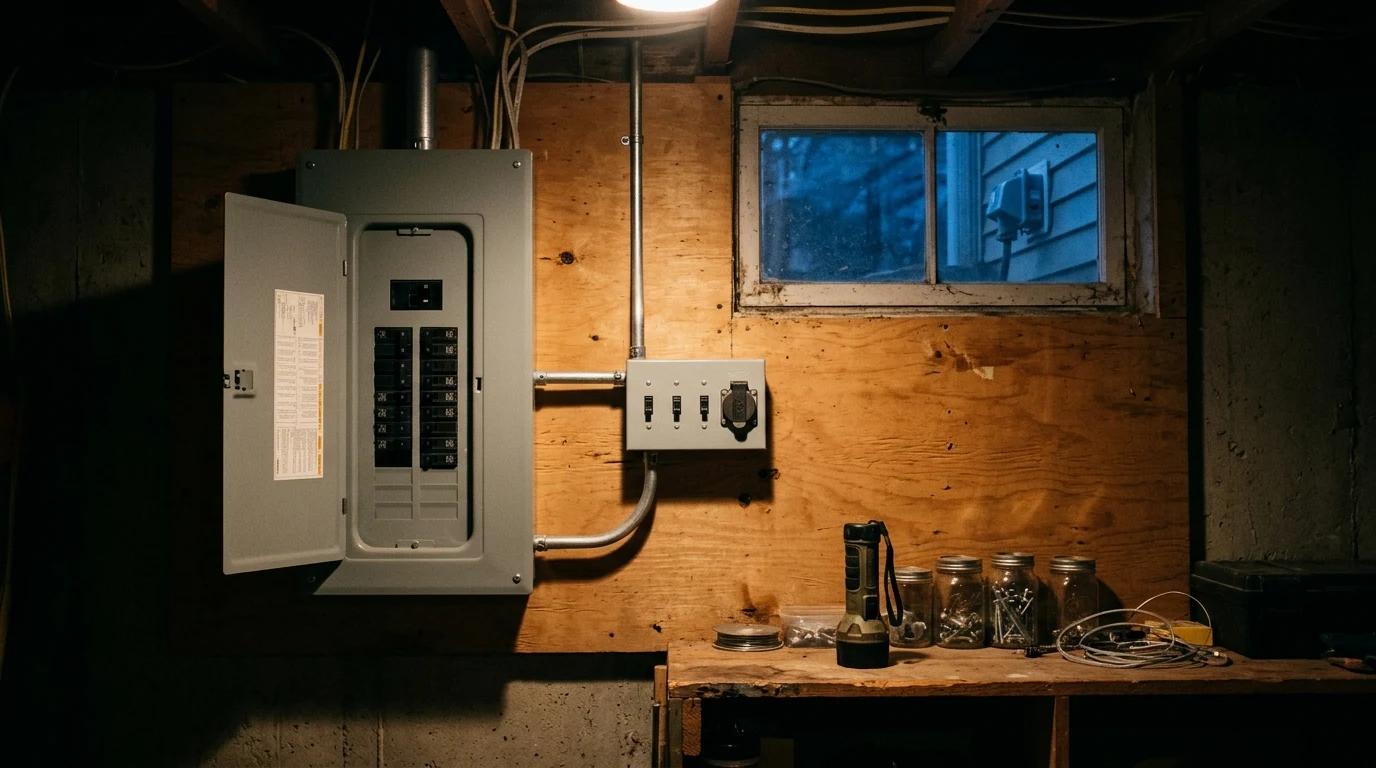
Quick answer
Choose an interlock kit if a listed kit exists for your exact panel and you are happy to switch breakers by hand during an outage; choose a manual transfer switch if your panel has no listed interlock or you want a fixed set of circuits that anyone in the house can switch over.
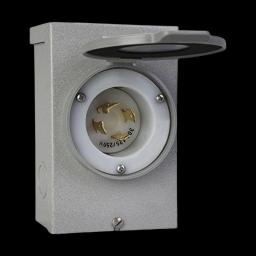
#1 · Either route: 30-amp inlet
Reliance Controls PB30 Inlet Box
4.8 (5,215)Inlet box rated to 7,500 running watts, NEMA 3R.
$59.98Buy on Amazon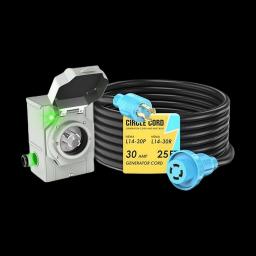
#2 · Either route: cord and inlet in one box
CircleCord 25-Foot L14-30 Cord and Inlet Box Kit
4.8 (1,221)25 ft L14-30 cord plus inlet; still needs a switch or interlock.
$94.69Buy on Amazon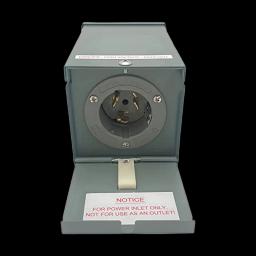
#3 · Either route: 50-amp inlet
Connecticut Electric EGSPI50 Inlet Box
4.5 (588)50 amp, 120/240 V, needs wiring sized for 50 amps.
$62.95Buy on Amazon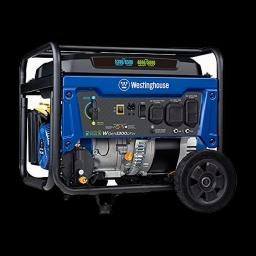
#4 · Either route: a 240 V generator
Westinghouse WGen5300DFcv
4.5 (1,048)L14-30R outlet at 240 V; Westinghouse lists a floating neutral.
$579.00Buy on Amazon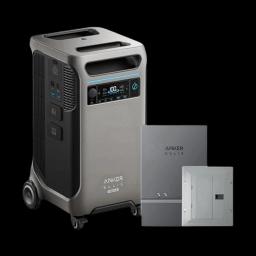
#5 · A battery instead of a generator
Anker SOLIX F3800 Plus with Home Power Panel
4.4 (145)Includes Anker's Home Power Panel; still an electrician job.
| Pick | Best for | Ready | Buy |
|---|---|---|---|
 1. Reliance Controls PB30 Inlet Box 4.8 (5,215) | Either route: 30-amp inlet Inlet box rated to 7,500 running watts, NEMA 3R. | 53 | $59.98Buy on Amazon |
 2. CircleCord 25-Foot L14-30 Cord and Inlet Box Kit 4.8 (1,221) | Either route: cord and inlet in one box 25 ft L14-30 cord plus inlet; still needs a switch or interlock. | 46 | $94.69Buy on Amazon |
 3. Connecticut Electric EGSPI50 Inlet Box 4.5 (588) | Either route: 50-amp inlet 50 amp, 120/240 V, needs wiring sized for 50 amps. | 64 | $62.95Buy on Amazon |
 4. Westinghouse WGen5300DFcv 4.5 (1,048) | Either route: a 240 V generator L14-30R outlet at 240 V; Westinghouse lists a floating neutral. | 71 | $579.00Buy on Amazon |
 5. Anker SOLIX F3800 Plus with Home Power Panel 4.4 (145) | A battery instead of a generator Includes Anker's Home Power Panel; still an electrician job. | 75 |
Key takeaways
- Both stop generator power and utility power meeting in your panel, which is what keeps line workers safe from backfeed.
- An interlock must be made for your exact panel: Eaton's kits, for example, are for its CH and BR load centers.
- A manual transfer switch moves a fixed set of circuits, typically 6 or 10 in Reliance's kits, and needs no panel-specific kit.
- Either one usually means an electrical permit: Manalapan Township, NJ, requires one as soon as a generator connects to house wiring.
The short answer
Choose an interlock kit if a listed kit exists for your exact panel and you are happy to switch breakers by hand during an outage. Choose a manual transfer switch if your panel has no listed interlock, or you want a fixed set of circuits anyone in the house can switch over. Both need an inlet box, a cord, a licensed electrician and, in most places, a permit.
The table above is what you buy for either route: the inlet, the cord and a generator with a 240 V outlet, such as the Champion 25 ft L14-30 cord for a 30-amp setup. We do not list transfer switches or interlock kits, because they are panel-specific and an electrician chooses and installs them.
This page is the choice. For what each setup involves and the order of the work, see how to connect a generator to your house.
| Interlock kit | Manual transfer switch | |
|---|---|---|
| What it is | A plate on your panel that blocks the main breaker and a generator breaker from both being on | A separate switch box with its own breakers, wired beside the panel |
| Listing example | Eaton: UL Listed, meets NEC Article 702 | Reliance: UL 1008 Listed, for use under NEC Article 702 |
| Circuits | Any circuit in the panel | The ones wired to it; 6 or 10 in Reliance's kits |
| Panel fit | Made for one panel family; Eaton's fit its CH and BR load centers | Works beside most panels |
| Who manages load | You, breaker by breaker | Fixed at install; Reliance adds wattmeters to help balance |
| Inlet and cord | Bought separately | Included in Reliance's kits |
Both solve the same danger
The point of either device is to make backfeeding impossible. OSHA says attaching a generator to a building without a properly installed transfer switch can energize wiring for great distances, risking utility workers. CPSC calls plugging a generator into a wall outlet extremely dangerous, a risk to line workers and neighbors on the same transformer. ESFI says never to connect a generator to household wiring without a transfer switch. PG&E says never to connect a generator to another power source, its lines included.
Eaton says its interlock prevents the utility and generator supplies from being on at the same time. Reliance says its switches meet Article 702 of the National Electrical Code. Either device, listed and properly installed, does the job. The choice is about your panel, your household and your budget.
Worth knowing: the inlet box is not the safety device. It is a weatherproof socket. The interlock or switch behind it is what prevents backfeed.
When an interlock is the better fit
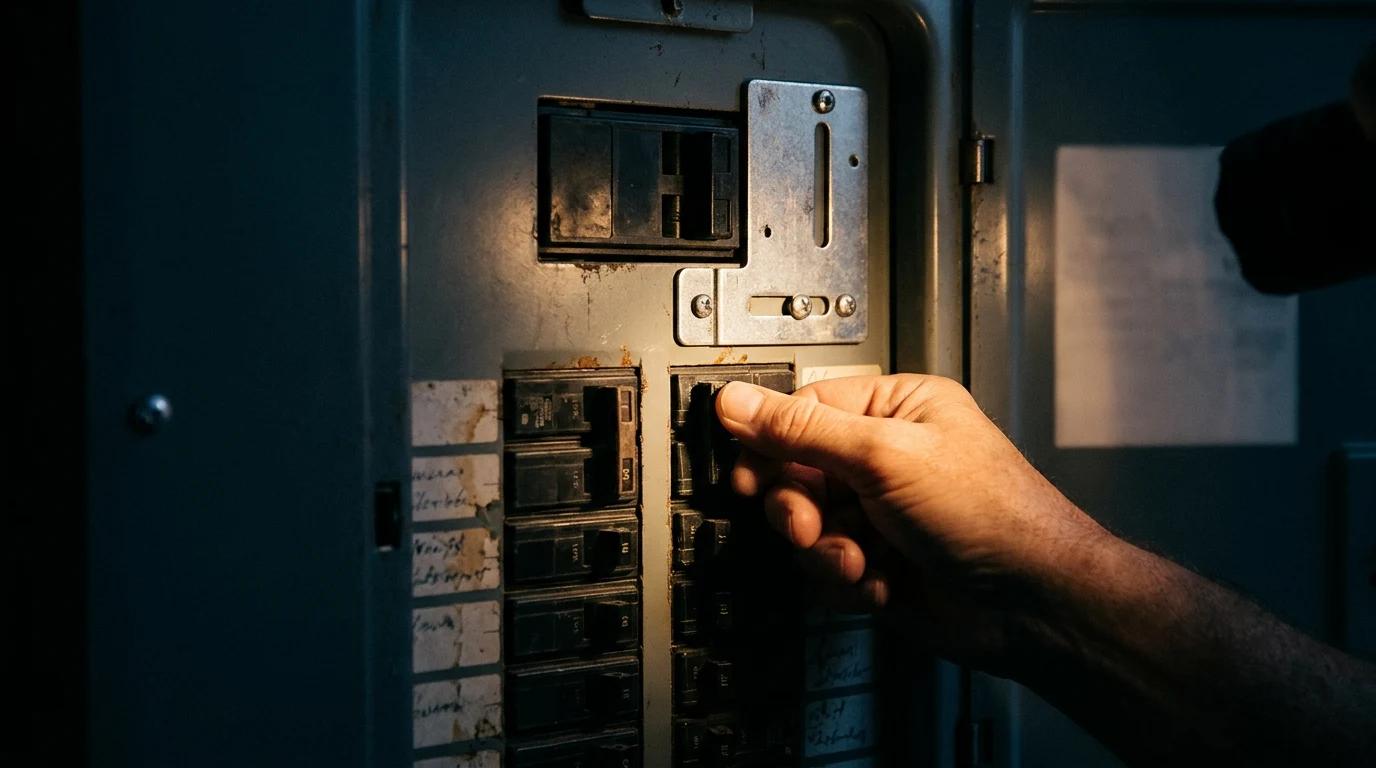
- A listed kit exists for your panel. Interlocks are panel-specific. Eaton sells kits for its own CH and BR load centers, and each one locks the main breaker against a generator breaker added to that panel. No listed kit for your panel means no interlock.
- You want every circuit available. With an interlock, any circuit in the panel can run from the generator, within what the generator supplies.
- You will manage the load. Eaton's own steps are: turn off all branch breakers, connect the cord, start the generator, switch off the utility main and on the generator breaker, then turn on circuits one by one. In a storm, that is you at the panel with a flashlight.
When a transfer switch is the better fit
- No listed interlock for your panel, or no room beside the main breaker.
- Someone else may run it. A switch has only the circuits wired to it, so nobody can accidentally load the whole house onto a 5,300-watt generator.
- You like meters. Reliance includes wattmeters on many models to help balance the generator load.
- You want one box of parts. Reliance's kits include the switch, a 30-amp inlet box and a generator cord.
The limit is that anything not wired to the switch stays off. Choose its circuits carefully, starting with anything hardwired that you cannot run from a cord, such as a well pump or a furnace.
Check your generator first
Both setups usually need a 240 V generator outlet, such as an L14-30 or a 50-amp outlet. Westinghouse lists an L14-30R on the WGen5300DFcv $579.00. Generators with 120 V outlets only, like the Westinghouse WGen3600DFcv and both inverters on our list, suit cords to appliances instead.
Then the neutral. Westinghouse's manual says the WGen5300DFcv has a floating neutral. Reliance makes a separate X Series switch that also switches the neutral, for generators with GFCI-protected outlets or a bonded neutral. Tell your electrician the generator model, and let them match the device.
Permits, code and the utility
Your local authority decides what passes. As one example, Manalapan Township, NJ, says cords to appliances need no permit, but a generator connected to the home's electrical system needs a transfer switch or interlock plus an inlet, an electrical permit, and installation by a licensed electrician or a homeowner in their own single-family home. Westinghouse says transfer switch use varies with your generator and local codes, and recommends a qualified electrician. Champion says local authorities often require permits for generator installations.
Your utility may have a say too. PG&E asks owners of permanently installed generators to tell it about the system once installed. It also offers its customers a free backup power transfer meter, which connects a portable generator at the SmartMeter. If you are a PG&E customer, ask about it before paying for either device.
Rule of thumb: call the building department before the electrician. The permit rules shape the quote.
What drives the cost
We could not find a cost figure from a primary source we would stand behind, and quotes vary widely by region. Compare quotes on the same lines:
- Hardware. An interlock is a plate and a generator breaker, which is why Champion calls it the more affordable alternative. A switch kit is a switch box, often with inlet and cord included.
- Inlet location. A long wire run from the panel to an outside wall adds labor. The inlet also sets how far the generator sits from the house; plan for more than 20 feet from windows, doors and vents, per the CDC.
- Permit and inspection, which your building department sets.
- Cord and inlet, if not included. Match them to your generator's outlet on our generator cords page.
A battery option
Whole-circuit battery systems use a transfer panel too. The Anker SOLIX F3800 Plus listing includes Anker's Home Power Panel, and Anker states 6,000 W at 120 V or 240 V from its L14-30 port. It still needs an electrician. Compare it on home backup batteries, and if a 240 V well pump is why you want a hookup, size that load first.
Which hookup fits
- Listed interlock kit exists for your panel
- Interlock
- Any circuit in the panel, managed by hand; Champion calls it the more affordable option.
- No listed kit, or no space beside the main breaker
- Transfer switch
- It mounts beside the panel instead of on it.
- Others in the house will run it
- Transfer switch
- Preselected circuits mean nothing to overload by mistake.
- Generator with a GFCI-protected or bonded-neutral 240 V outlet
- Ask the electrician
- Reliance sells a switched-neutral switch for that case.
- Generator with 120 V outlets only
- Neither
- Run cords to appliances; a 240 V switch or interlock needs a 240 V outlet.
- PG&E customer
- Ask about the meter device
- PG&E offers a free backup power transfer meter.
Questions people ask
Is an interlock kit legal?
A listed interlock used as directed can meet code: Eaton states its kits are UL Listed and meet NEC Article 702. Your local inspector decides what passes, and a kit must be made for your panel.
Do I need a permit for a generator transfer switch or interlock?
Usually. Manalapan Township, NJ, for example, needs no permit for cords to appliances but requires an electrical permit once a generator connects to house wiring. Check your own building department.
Which is cheaper, an interlock or a transfer switch?
Champion calls an interlock a more affordable alternative to a manual transfer switch. Both still need an inlet, a cord, an electrician and often a permit. Compare full quotes rather than parts.
Can I install an interlock or transfer switch myself?
Rules vary. Manalapan allows a licensed electrician or a homeowner in their own single-family home, with a permit. Westinghouse recommends a qualified electrician, and so do we.
Sources for this guide
- Eaton: mechanical interlock kits
- Reliance Controls: transfer switch catalog
- Manalapan Township, NJ: generator permit questions
- OSHA: using portable generators safely fact sheet
- CPSC Safety Alert: portable generator hazards
- ESFI: portable generator safety
- PG&E: backup power safety
- PG&E: backup power transfer meter installation guide
- Westinghouse: WGen5300DFcv owner's manual
- Westinghouse: portable generator FAQ
- CDC: carbon monoxide poisoning basics
- Champion: guide to house generator hook-up
Outage Ready Editorial
We work out the arithmetic and read the maker and agency pages so you do not have to. About us.
Read next
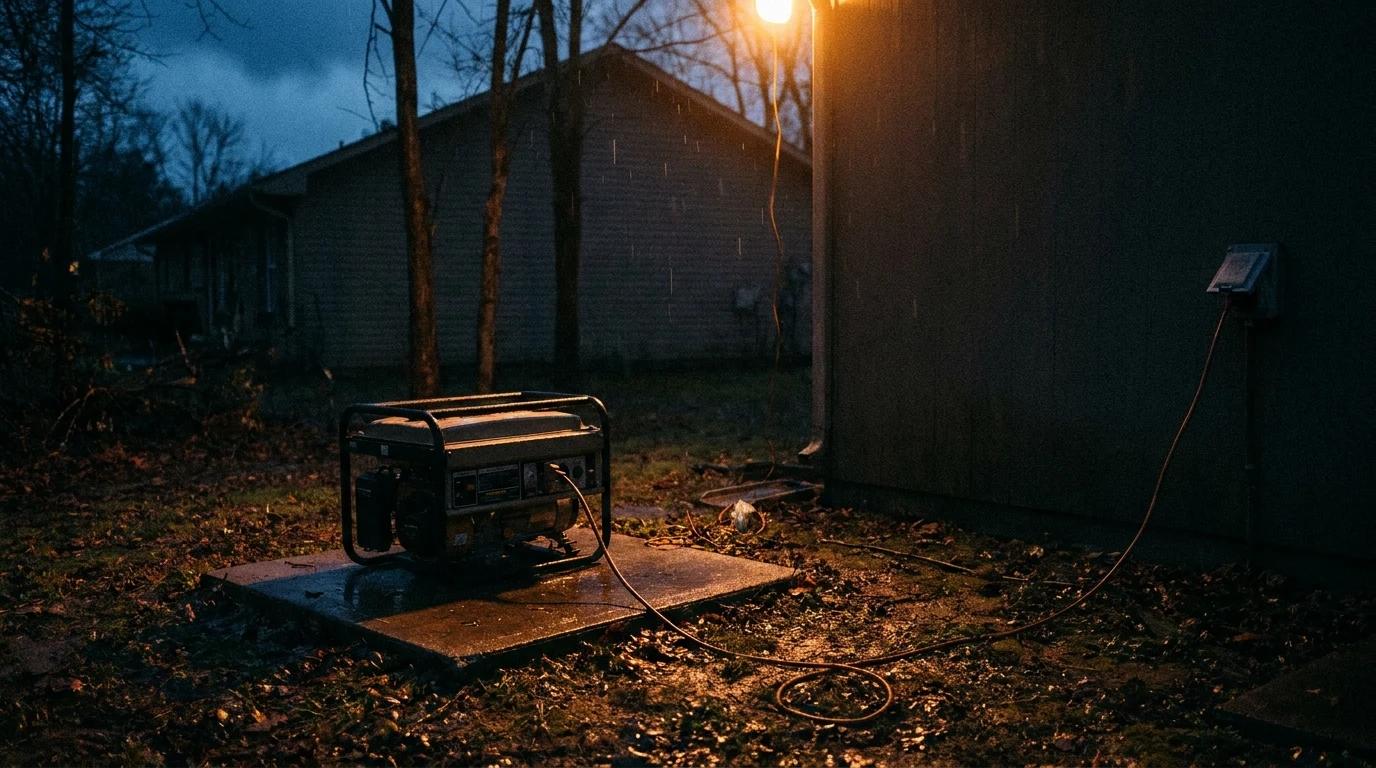
How to Connect a Generator to Your House Safely
Connect a generator with heavy-duty cords, or have an electrician fit a transfer switch or interlock with an inlet box. Never backfeed through an outlet.
5 min read
What Size Generator for a Well Pump in a Power Outage?
Franklin Electric's table says a 1/2 HP well pump needs a 2 to 3 kW generator and a 1 HP pump 4 to 6 kW, at 240 V. Here is how to read your pump.
5 min read
Inverter Generator vs Generator: Which for an Outage?
Pick an inverter for quiet, clean power to essentials; pick a conventional generator when you need 240 V, a well pump or a transfer switch.
5 min read