Guide
Propane vs Gas Generator: Is Dual Fuel Worth It?
Outage Ready Editorial · Updated November 21, 2026 · 5 min read
Quick answer
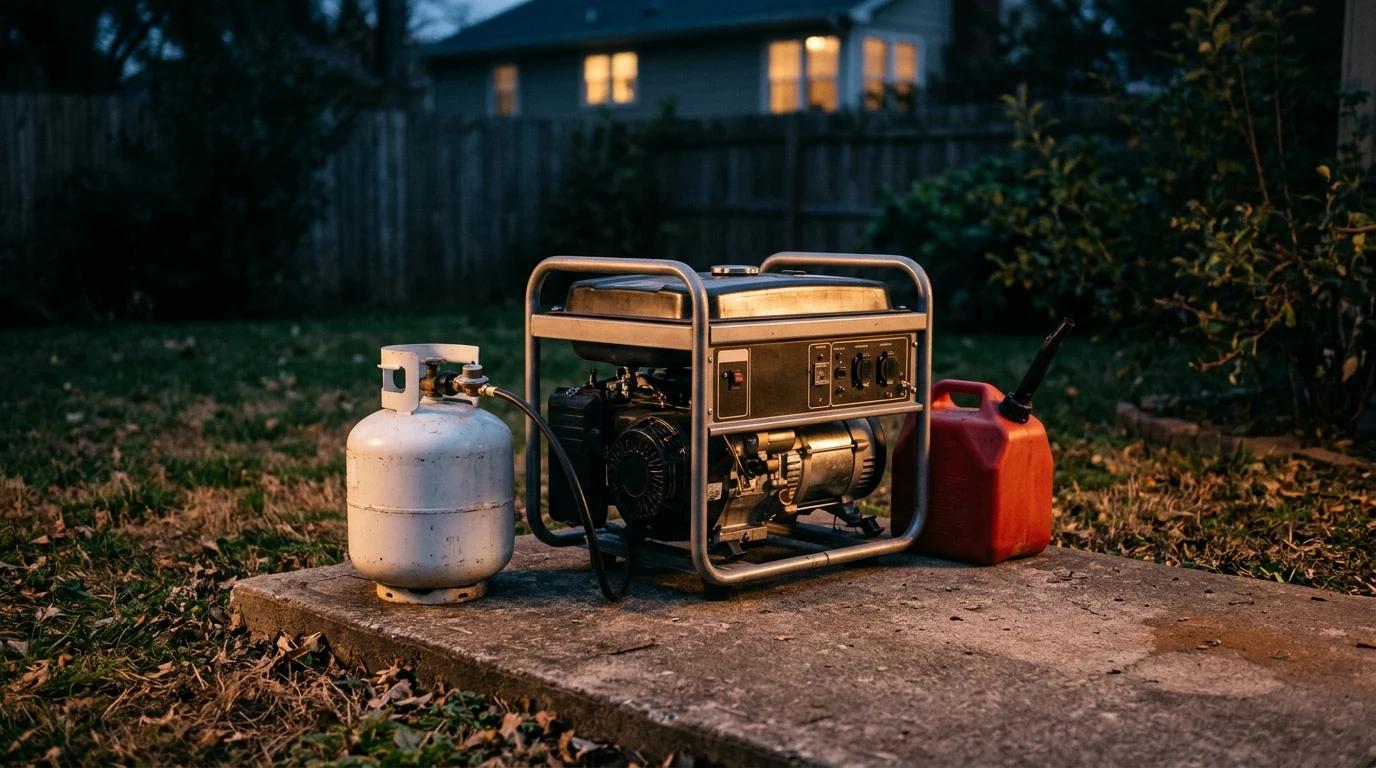
For outage backup, buy a dual-fuel generator and keep propane as your stored fuel: it does not go stale, while gasoline gives about 10% more power and longer runtime per gallon but can deteriorate within a month.
#1 · Dual fuel for most houses
Westinghouse WGen5300DFcv
4.5 (1,048)5,300 W gas, 4,800 W propane; 11 h gas, 9 h propane at half load.
$579.00Buy on Amazon
#2 · Quiet dual-fuel inverter
Westinghouse iGen5000DFc
4.6 (1,171)3,900 W gas, 3,500 W propane; 22 h on propane at 25% load.
$999.00Buy on Amazon
#3 · Small dual fuel, longest per fill
WEN DF360iX
4.4 (551)14 h on a 20-lb propane tank against 5 h on its 1.5-gallon gas tank.
$521.00Buy on Amazon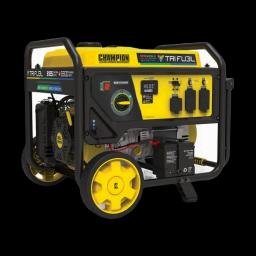
#4 · Homes with a natural gas line
Champion 201169 Tri-Fuel
4.5 (168)6,500 W gas, 6,000 W propane, 5,500 W natural gas.
$999.00Buy on Amazon
#5 · Lowest-cost dual fuel
Westinghouse WGen3600DFcv
4.6 (239)3,600 W gas, 3,240 W propane, 120 V outlets.
$399.00Buy on Amazon
| Pick | Best for | Ready | Buy |
|---|---|---|---|
 1. Westinghouse WGen5300DFcv 4.5 (1,048) | Dual fuel for most houses 5,300 W gas, 4,800 W propane; 11 h gas, 9 h propane at half load. | 71 | $579.00Buy on Amazon |
 2. Westinghouse iGen5000DFc 4.6 (1,171) | Quiet dual-fuel inverter 3,900 W gas, 3,500 W propane; 22 h on propane at 25% load. | 78 | $999.00Buy on Amazon |
 3. WEN DF360iX 4.4 (551) | Small dual fuel, longest per fill 14 h on a 20-lb propane tank against 5 h on its 1.5-gallon gas tank. | 65 | $521.00Buy on Amazon |
 4. Champion 201169 Tri-Fuel 4.5 (168) | Homes with a natural gas line 6,500 W gas, 6,000 W propane, 5,500 W natural gas. | 64 | $999.00Buy on Amazon |
 5. Westinghouse WGen3600DFcv 4.6 (239) | Lowest-cost dual fuel 3,600 W gas, 3,240 W propane, 120 V outlets. | 63 | $399.00Buy on Amazon |
Key takeaways
- Propane costs you watts: Champion puts it about 5 to 10% below gasoline, and Westinghouse states 4,800 against 5,300 running watts on the WGen5300DFcv.
- A gallon of propane holds about 24% less energy than a gallon of gasoline, per EIA, so you burn more of it.
- Gasoline can deteriorate in as little as 30 days, Westinghouse says; propane does not degrade, Champion says.
- For a generator that sits idle between storms, dual fuel is usually worth it: store propane, keep gasoline for long outages.
The short answer
For outage backup, buy a dual-fuel generator and keep propane as your stored fuel. Gasoline gives more power and longer runtime per gallon, but Westinghouse says it can deteriorate in as little as 30 days. Champion says propane does not degrade over time. A generator that waits months between storms favors the fuel that waits well.
| Gasoline | Propane | |
|---|---|---|
| Power | Full rated watts | Champion: about 5 to 10% lower |
| Energy per gallon (EIA) | 120,214 Btu | 91,452 Btu |
| Use at half load, mid-size unit (Champion) | 0.6 to 0.75 gallons an hour | 1 to 1.2 gallons an hour |
| Storage life | Westinghouse: can deteriorate in 30 days without stabilizer | Champion: does not degrade |
| Cold weather | Champion: performs reliably | Champion: pressure can drop in extreme cold |
| Carburetor upkeep | Gum and varnish if left to sit | Champion: avoids those problems |
Power: propane gives up some watts
Champion puts propane output around 5 to 10% below gasoline. The makers' own specs fall in that range:
- Westinghouse WGen5300DFcv: 5,300 running watts on gas, 4,800 on propane.
- Westinghouse iGen5000DFc: 3,900 on gas, 3,500 on propane.
- WEN DF360iX: 2,900 on gas, 2,600 on propane.
- Champion 201169: 6,500 on gas, 6,000 on propane, 5,500 on natural gas.
If you plan to run on propane, size with the propane figure. A load that just fits on gasoline may trip the breaker on propane. The generator sizing tool gives you the running and starting watts to compare.
Rule of thumb: size a dual-fuel generator to its propane rating, and treat the gasoline rating as headroom.
Runtime: more gallons, but the tank decides
EIA lists a gallon of motor gasoline at 120,214 Btu and a gallon of propane at 91,452 Btu, about 24% less. That is why Champion puts a mid-size generator at half load at 0.6 to 0.75 gallons of gasoline an hour, against 1 to 1.2 gallons of propane.
Runtime per fill depends on the tank you connect, though, and the makers' figures show it:
| Model | Gasoline | Propane |
|---|---|---|
| Champion 201169, half load | 12 hours on its 8.5-gallon tank | 6.5 hours (20-lb tank) |
| Westinghouse WGen5300DFcv, half load | 11 hours on 4.7 gallons | 9 hours |
| WEN DF360iX, half load | 5 hours on 1.5 gallons | 14 hours on a 20-lb tank |
| Westinghouse iGen5000DFc, 25% load | 18 hours on 3.4 gallons | 22 hours |
On a small inverter, a 20-lb cylinder outlasts the built-in gas tank. On a big open frame, a full gas tank runs longer. Either way, more cylinders on hand means more hours.
Storage: the deciding factor for most homes
Westinghouse's WGen5300DFcv manual says gasoline stored for as little as 30 days can deteriorate, leaving gum and varnish that can stop the engine starting. It recommends stabilizer full time and says stabilized fuel can stay in the generator up to six months with the float bowl drained. That means rotating cans, adding stabilizer and draining the carburetor, all covered in our generator maintenance checklist.
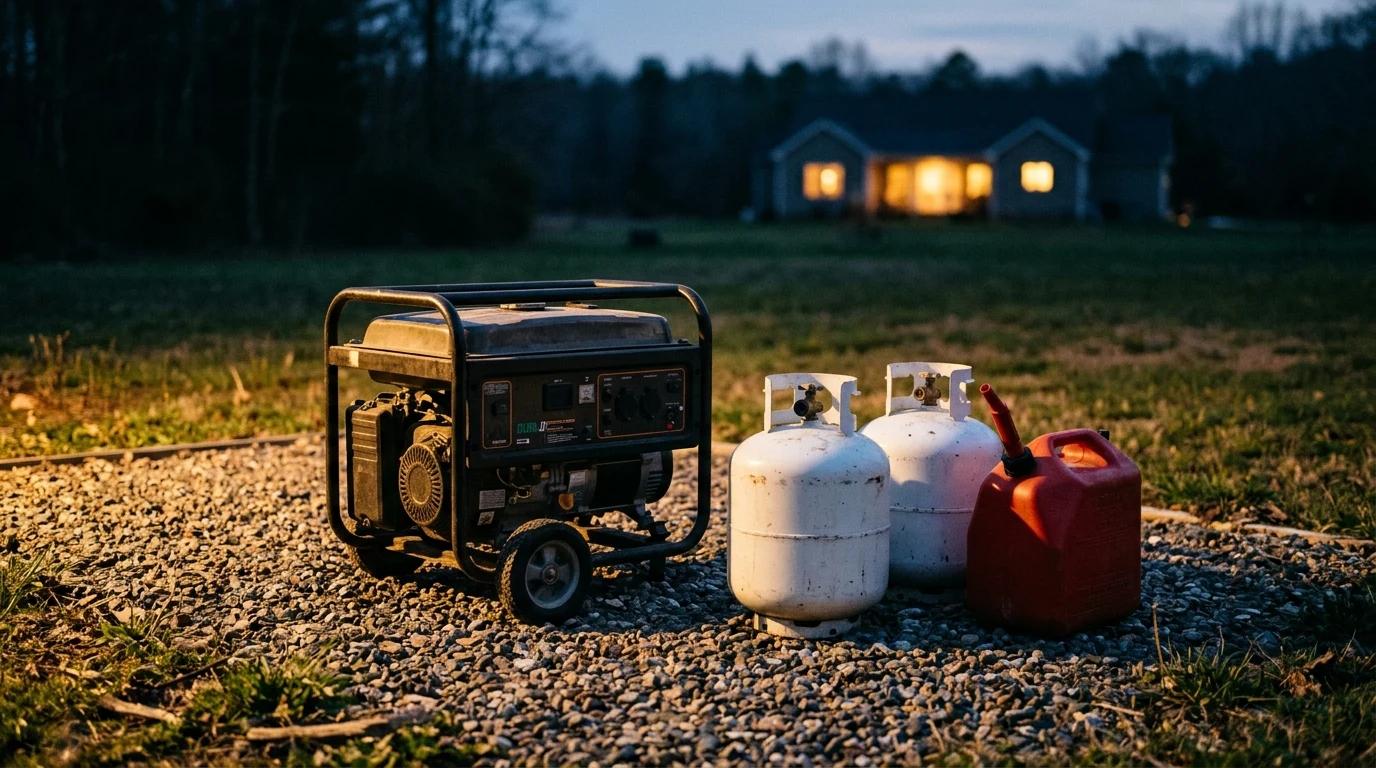
Champion says propane does not degrade, and that cylinders and larger tanks can be stored for long periods without affecting fuel quality. A cylinder filled in spring is still good in a January ice storm.
Store both safely. CPSC says never to store generator fuel, propane included, in the home: keep it outside living areas and away from fuel-burning appliances. Westinghouse warns that propane is heavier than air and can settle in low places, says to keep cylinders upright, and to keep them away from the exhaust.
What a propane setup involves
For a portable generator, propane usually means standard 20-lb cylinders. Westinghouse includes the propane regulator and hose with both the WGen5300DFcv and the iGen5000DFc. Its manual adds a few rules worth knowing before the storm:
- Keep the cylinder upright, on a flat surface, and away from the exhaust.
- When you exchange cylinders, make sure the valve type matches.
- Turn the propane off whenever the generator is off or running on gasoline.
- A large 500 to 1,000-gallon tank needs a certified plumber to run the fuel line, and the pressure at the generator's regulator must be 7 to 14 inches of water column.
Several full cylinders, stored outdoors and upright, are the simplest outage reserve.
Cost to run
Champion says propane or natural gas may cost less to run in some regions, depending on local prices. It does not name a winner, and neither do we, because prices swing by place and season. Work it out yourself: multiply the gallons per hour above by your local price per gallon for each fuel. Propane usually loses on gallons burned and can win on price per gallon.
Cold weather and availability
Champion says gasoline performs reliably in cold weather, while propane may see reduced pressure in extremely low temperatures. Westinghouse rates the WGen5300DFcv for continuous operation between 23°F and 104°F, and for short periods outside that range. If your outages come in deep cold, keep gasoline as the second fuel.
Champion also notes that fuel shortages can occur as people rush to fill containers before a storm. Propane you already own avoids that queue. Natural gas avoids it entirely, but Champion says it can be unavailable where there is no gas service, and connecting a tri-fuel generator to a gas line is a job for a qualified installer.
Worth remembering: whichever fuel you choose, the generator runs outdoors only, more than 20 feet from windows, doors and vents, as the CDC says. Propane exhaust still contains carbon monoxide.
So is dual fuel worth it?
For outage backup, yes. On our list, dual fuel is standard rather than an upgrade, and it removes the biggest reason a backup generator fails: old gasoline. Store propane, run on it first, and keep stabilized gasoline for full power or a long outage. Every pick on our portable generators page runs on both, and the Champion 201169 $999.00 adds natural gas. Our top pick for most houses is the WGen5300DFcv $579.00. If you are still deciding on generator type, read inverter generator vs generator.
Which fuel to plan around
- Outages a few times a year, generator idle in between
- Propane
- It does not go stale, so the generator starts after months on the shelf.
- Need every watt for a well pump or AC
- Gasoline
- About 5 to 10% more output, so size up if you plan on propane.
- Very cold climate
- Gasoline, with propane as backup
- Champion says propane pressure can drop in extreme cold.
- A natural gas line to the house
- Tri-fuel
- No refueling trips, once a qualified installer makes the connection.
- Multi-day outage
- Dual fuel
- Use stored propane first, then gasoline once stations reopen.
Questions people ask
Is propane or gas better for a generator?
Gasoline gives more power and more runtime per gallon. Propane stores without degrading. For a backup generator that sits unused for months, propane's storage advantage usually matters more.
How long will a generator run on a 20-lb propane tank?
It depends on the generator and load. Champion states 6.5 hours at half load for its 6,500 W tri-fuel, and WEN states 14 hours at half load for the smaller DF360iX.
Is a dual fuel generator worth it?
For outages, usually yes. It lets you store propane for years and still use gasoline when you need maximum output or propane runs out.
Does a propane generator work in the cold?
Mostly, but Champion says propane may see reduced pressure in extremely low temperatures, while gasoline performs reliably in the cold. Keeping gasoline as a second fuel covers that case.
Sources for this guide
- Champion: gasoline, propane and natural gas compared
- EIA: British thermal units and fuel energy content
- Westinghouse: WGen5300DFcv specifications
- Westinghouse: WGen5300DFcv owner's manual
- Westinghouse: iGen5000DFc specifications
- WEN: DF360iX dual fuel inverter generator
- Champion: 201169 tri-fuel with CO Shield
- CPSC Safety Alert: portable generator hazards
- CDC: carbon monoxide poisoning basics
- Westinghouse: portable generator FAQ
Outage Ready Editorial
We work out the arithmetic and read the maker and agency pages so you do not have to. About us.
Read next
Generator Maintenance Checklist: Oil, Fuel and Test Runs
The maker-manual schedule for a portable generator: oil, fuel, a monthly run under load, and how to store it so it starts in the next outage.
5 min read
Inverter Generator vs Generator: Which for an Outage?
Pick an inverter for quiet, clean power to essentials; pick a conventional generator when you need 240 V, a well pump or a transfer switch.
5 min read
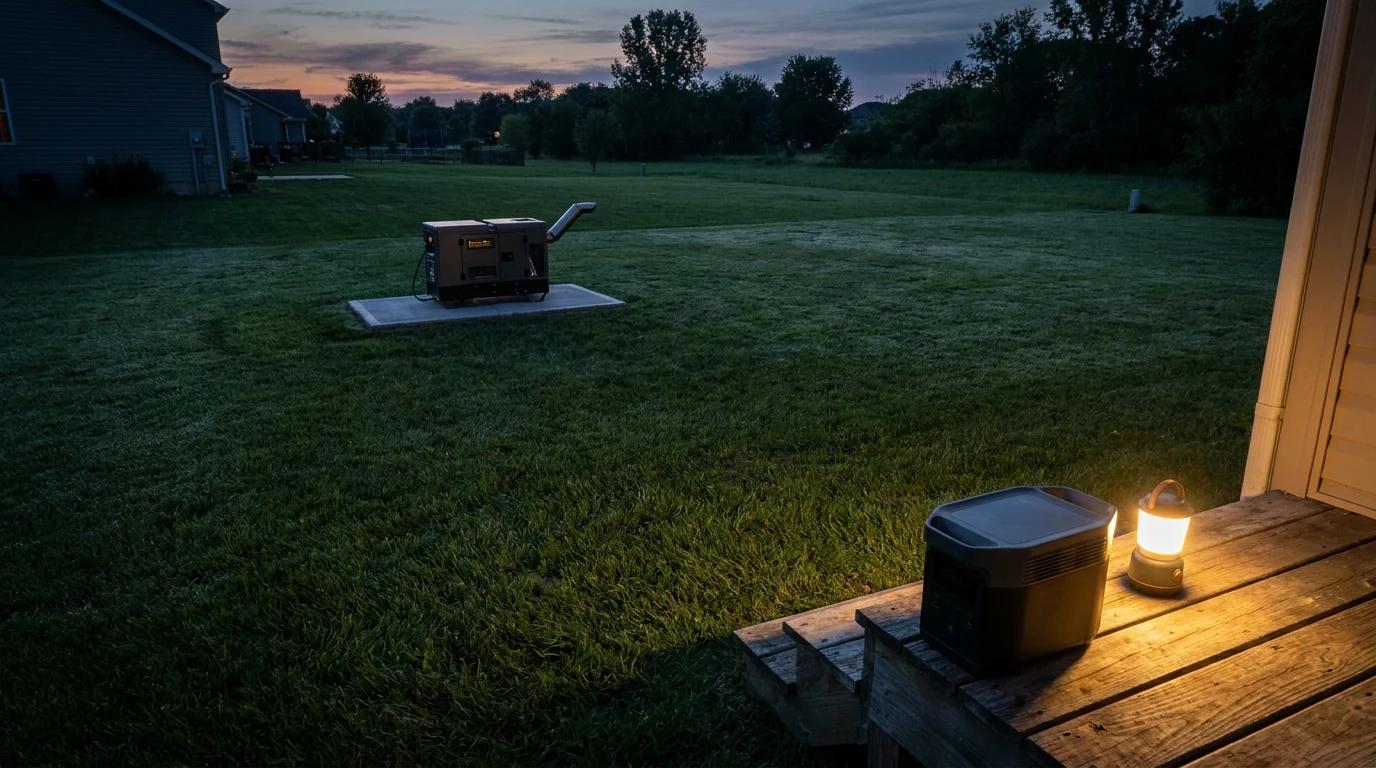
Power Station vs Generator: Which One Fits Your Outage?
A power station suits short outages and indoor use; a generator suits long outages and heavy loads you can run 20 feet from the house.
5 min read