Guide
How to Charge Your Phone Without Power: 6 Ways That Work
Outage Ready Editorial · Updated November 21, 2026 · 5 min read
Top pick
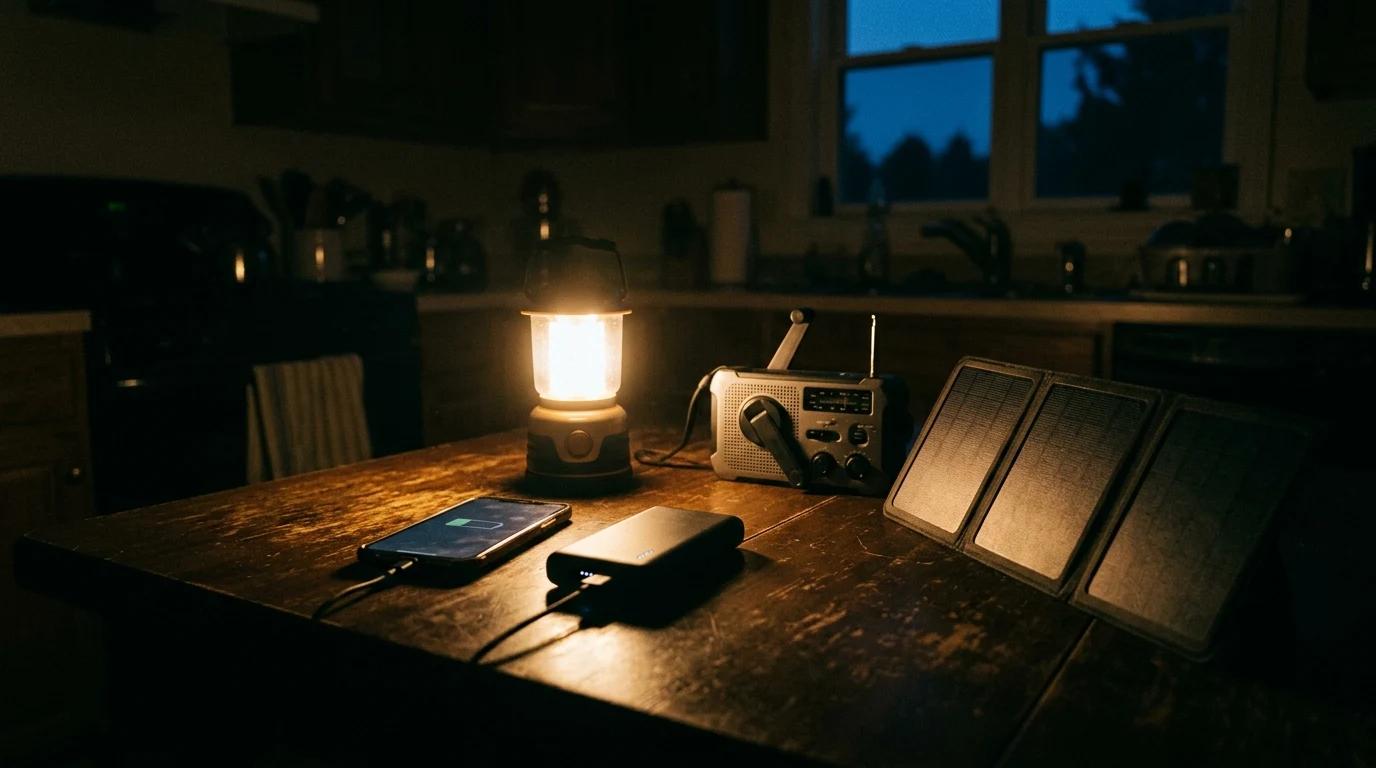
The best way to charge a phone without power is a power bank charged in advance; Anker states up to 4 iPhone 15 charges from this 20,000 mAh bank.
4.4 (14,955)Fast refill
Anker states 50% in 13 minutes on dual inputs when the grid flickers back.
4.6 (1,872)Crank backup
Kaito KA500 Emergency Weather Radio
A 5 V USB output plus crank, solar and AA power.
4.5 (6,992)Key takeaways
- A charged power bank is the best answer; Anker states up to 4 iPhone 15 charges from its 20,000 mAh Zolo.
- Wh = mAh × cell voltage ÷ 1,000, so a 20,000 mAh bank holds about 72 to 76 Wh.
- CDC says never to run a car in a garage attached to the house, even with the door open.
- A crank radio's built-in bank is small: FosPower states 7.4 Wh for the A1, under half a phone charge on Anker's ratio.
The short answer
The best way to charge your phone without power is a power bank you charged before the outage. A 20,000 mAh bank holds about 72 to 76 Wh, and Anker states its Zolo 20,000 mAh charges an iPhone 15 up to 4 times. After that, a power station, a laptop, a car, a solar panel or a crank radio can top the phone up, each with a catch.
| Method | Energy on hand | Phone charges | Catch |
|---|---|---|---|
| 20,000 mAh power bank | About 72–76 Wh | Up to 4, Anker's figure for an iPhone 15 | Charge it before the storm |
| 26,250 mAh power bank | 99.75 Wh, Anker states | About 5, on the same ratio | Heavier and costs more |
| 1,024 Wh power station | 1,024 Wh | About 45, on the same ratio | Bulky; most of it is better spent on a fridge |
| Laptop over USB | Whatever the laptop holds | — | Drains the laptop, the FCC notes |
| Car | The car's fuel | — | Carbon monoxide; never in an attached garage |
| Solar panel with USB | Depends on sun | — | Daylight only, slow in cloud |
| Crank radio's bank | 7.4 Wh in the FosPower A1 | Under half, on the same ratio | Cranking is slow work |
"On the same ratio" means we divided by Anker's own figure, about 18 to 19 Wh of bank capacity per iPhone 15 charge. Phones differ, so treat it as an estimate.
The mAh to Wh maths
Power banks are sold in mAh, but energy is watt-hours. The FAA's battery guidance gives the conversion: multiply volts by amp-hours. In practice, Wh = mAh × cell voltage ÷ 1,000.
Two makers state both numbers, which shows the voltage they use:
- FosPower A1 radio: 2,000 mAh and 7,400 mWh, which is 7.4 Wh at 3.7 V.
- Anker Prime: 26,250 mAh and 99.75 Wh, which is 3.8 V.
At 3.6 to 3.8 V, a 20,000 mAh bank holds about 72 to 76 Wh. Our mAh to Wh converter does this for any bank or station.
Worth remembering: compare banks in Wh, not mAh. Two banks with the same mAh can hold different energy if their cell voltage differs.
1. A power bank, charged in advance
Ready.gov tells households to plan for alternative power such as a portable charger or power bank. It is the cheapest, lightest answer, and it works in the dark.
The Anker Zolo 20,000 mAh $32.99 is the easy default: Anker states up to 4 iPhone 15 charges and 12.45 oz. Buy one per adult. The Anker Prime 26,250 mAh $159.99 matters for one reason in an outage: Anker states it recharges to 50% in 13 minutes on its dual inputs, so a brief return of grid power refills it.
2. A power station
A 1,024 Wh station holds about 14 times what a 20,000 mAh bank does. Charging phones from its USB ports barely dents it, which is why it suits a household with several phones, a router and a fridge. The Anker SOLIX C1000 Gen 2 $489.99 is our top-ranked station. See the best power station for an outage.
3. A laptop
The FCC notes you may be able to recharge a phone from a charged laptop or tablet with a USB cable, though it drains the computer's battery. Useful in the first hours, not a plan for a long outage.
4. Your car
The FCC suggests keeping a car charger on hand, and warns anyone charging in a car during an outage to stay alert to carbon monoxide, especially in a closed space. CDC says never to run a car or truck inside a garage attached to a house, even with the door open. Charge in the open air, or not at all, and the FCC adds a plainer rule: do not try to reach your car if it is not safe to do so.
5. A solar panel
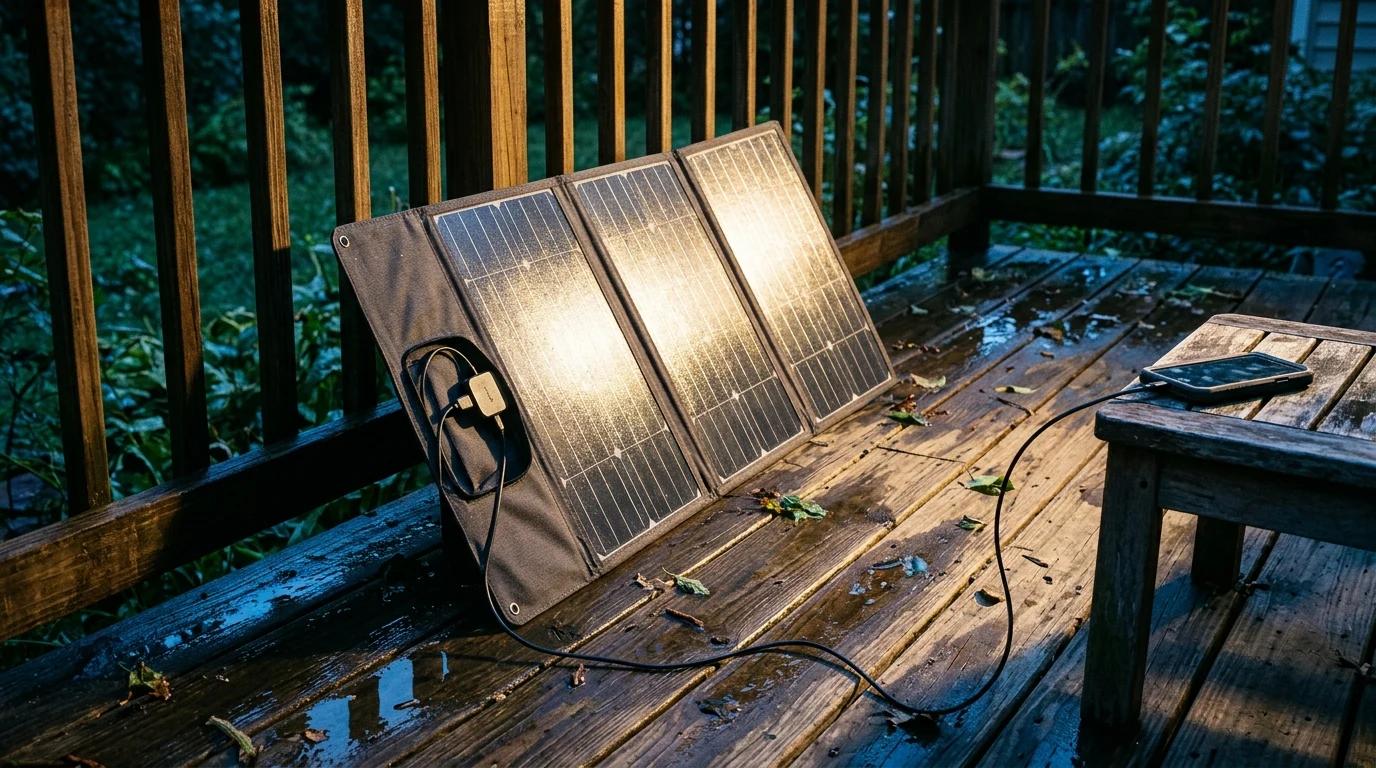
The FCC lists a solar charger among the things worth keeping. What matters is panel size. A full-size folding panel with a USB port charges a phone directly: Renogy lists 45 W USB-C and two USB-A ports on its 200 W portable panel $219.99, and FlexSolar lists 45 W USB-C on its 100 W foldable. In patchy sun, charge the power bank from the panel and the phone from the bank, so a passing cloud does not keep restarting the phone's charge.
Be wary of power banks with a small built-in panel. Its panel is roughly phone-sized, a small fraction of a 100 W folding panel's area, so it trickles. Treat it as a bank with a bonus, and charge it from the wall.
6. A hand-crank radio
The FCC says a solar-powered or hand-cranked radio may also charge cell phones, and to check the manual first. The Kaito KA500 $54.99 has a 5 V USB output plus crank, solar, AA and USB inputs. None of our radio makers state how many minutes of cranking buy a phone charge, so treat the crank as a last resort and use the radio's battery first.
Do not forget the home phone
The FCC notes that phone service over broadband, such as VoIP, will not work in an outage without a battery or other backup, while a traditional copper line may, with a corded phone. If your landline runs through your internet box, it goes down with the router. Our guide to keeping Wi-Fi on in an outage covers backup for both.
Make each charge last
The FCC's tips stretch whatever you have: dim the screen, close apps you do not need, keep calls short and text where you can. If you see no signal bars, turning the phone off stops it draining while it searches.
Rule of thumb: one charged 20,000 mAh bank per adult covers a typical overnight outage. Buy the panel or the station once your outages run to days.
More picks are in power banks and emergency radios, and the power outage kit checklist puts them in order.
Which method fits your outage
- Overnight, one or two phones
- A 20,000 mAh power bank each
- Up to 4 charges each, Anker states.
- Grid flickers on and off
- Anker Prime 26,250 mAh
- Refills to 50% in 13 minutes, Anker states.
- A household for several days
- A power station
- About 45 phone charges from 1,024 Wh, and it runs the fridge too.
- Days without grid power
- A folding solar panel with USB-C
- Refills a bank or phone in daylight.
Questions people ask
How many times will a 20,000 mAh power bank charge a phone?
Anker states up to 4 iPhone 15 charges from its Zolo 20,000 mAh. Bigger phones get fewer, and some energy is lost in conversion, so the mAh figure overstates it.
How do I convert mAh to Wh?
Multiply mAh by the cell voltage and divide by 1,000. FosPower states 2,000 mAh and 7.4 Wh for its A1 radio, which is 3.7 V; Anker states 26,250 mAh and 99.75 Wh for its Prime, which is 3.8 V.
Can I charge my phone in the car during a power outage?
Yes, in the open air. The FCC warns to stay alert to carbon monoxide, and CDC says never to run a car inside an attached garage, even with the door open.
Do hand-crank chargers work?
They work slowly. The FCC says crank radios may charge phones, and to check the manual. Our radio makers do not state how much cranking buys a phone charge, so use the radio's battery first.
Sources for this guide
Outage Ready Editorial
We work out the arithmetic and read the maker and agency pages so you do not have to. About us.
Read next
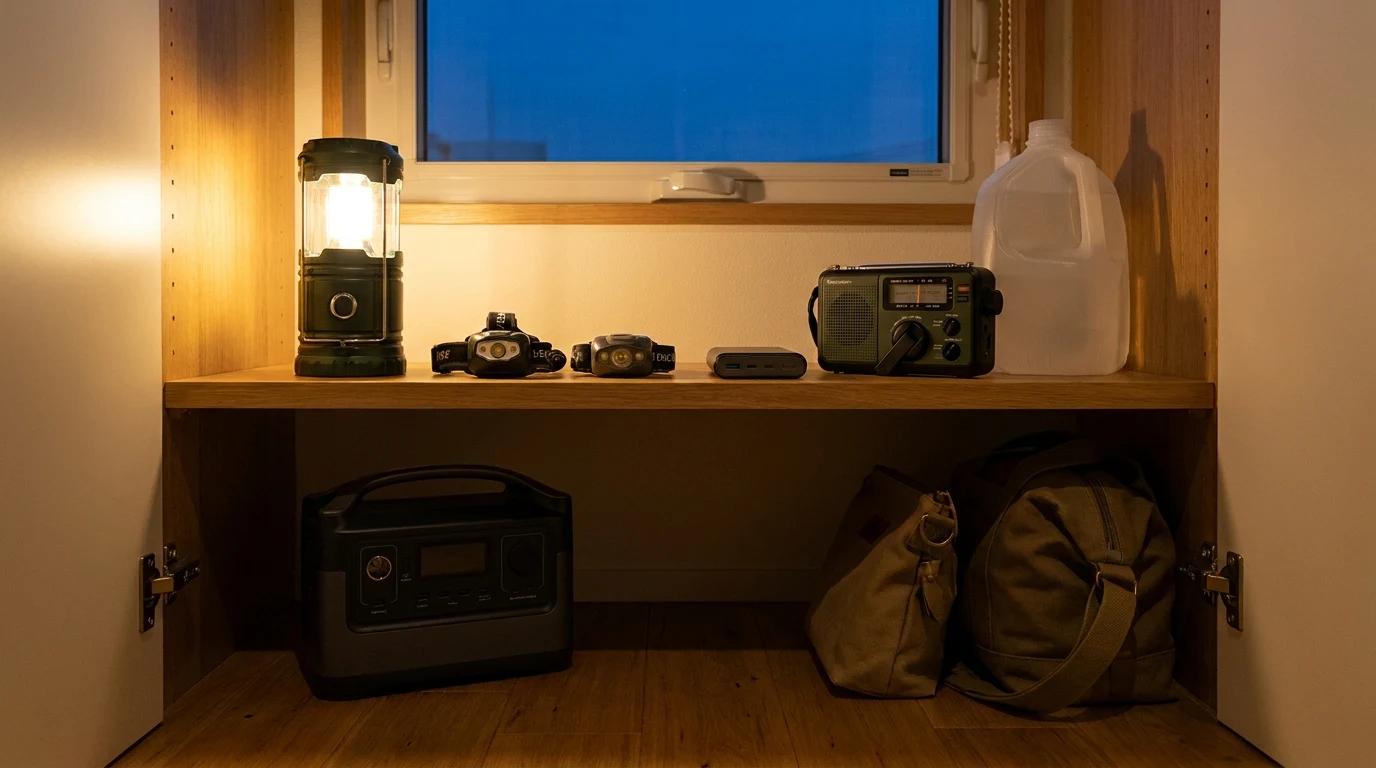
Power Outage Kit Checklist: Starter, Household, Full
Three build-your-own outage kits, with every item listed and the totals worked out.
5 min read
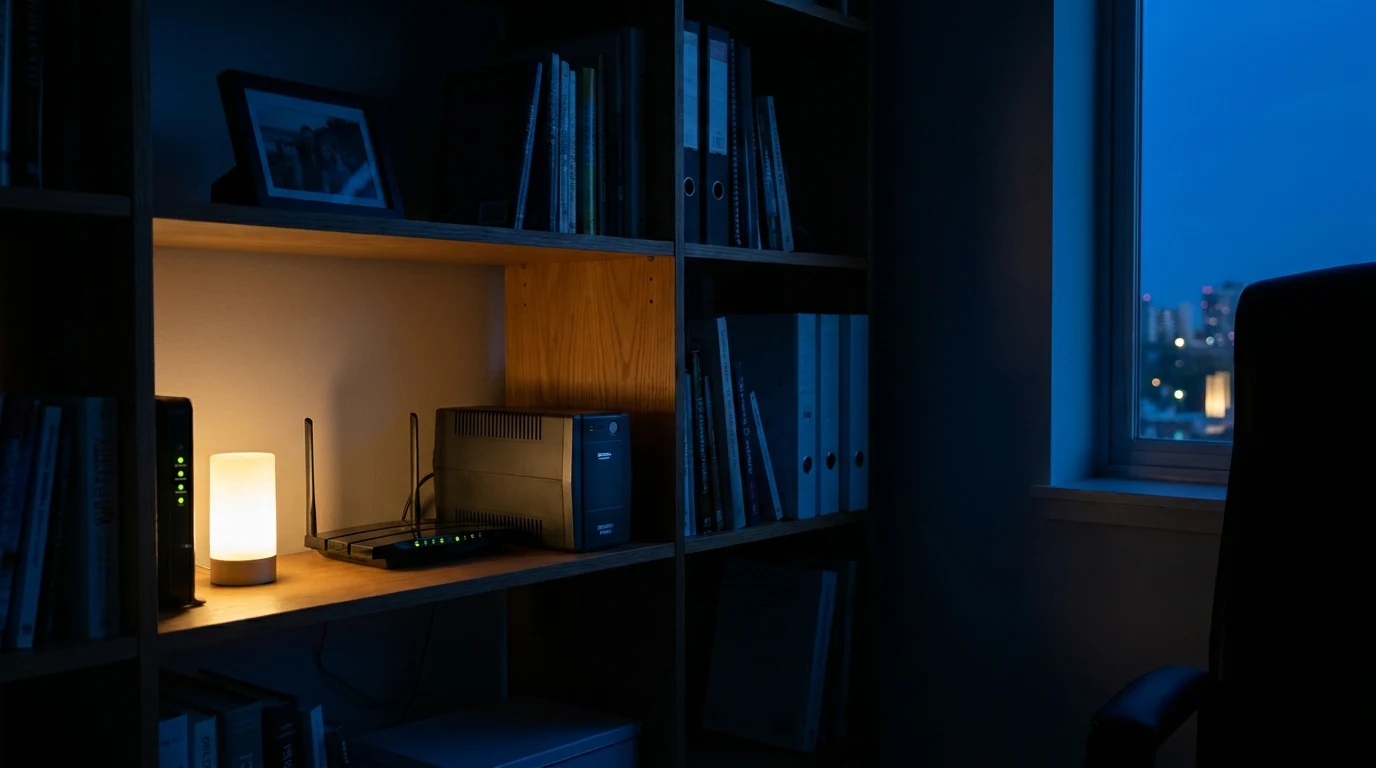
How to Keep Wi-Fi On During a Power Outage
A modem and router draw 10 to 20 W. Here is how much battery that takes, and which backup fits.
5 min read

What to Do When the Power Goes Out: First-Hour Checklist
A calm, ordered first hour: light, breaker, fridge door, surge protection, then a plan for food, heat and medical devices.
5 min read