Guide
EcoFlow vs Jackery vs Anker SOLIX: Which Brand to Buy?
Outage Ready Editorial · Updated November 21, 2026 · 5 min read
Winner
Anker SOLIX has the strongest 1 kWh spec sheet: 2,000 W output and at least 80% capacity after 4,000 cycles, as Anker states.
4.7 (1,771)Runner-up
EcoFlow sells the same 1,024 Wh for less, with a 5-year warranty once registered in its app.
4.7 (1,388)
#1 · Most homes
Anker SOLIX C1000 Gen 2
4.7 (1,771)Anker: 2,000 W, 4,000 cycles to 80%, 60-month warranty.
$489.99Buy on Amazon
#2 · Value at 1 kWh
EcoFlow DELTA 3 Classic
4.7 (1,388)EcoFlow: 1,800 W, 5 years with app registration.
$438.90Buy on Amazon
#3 · Carrying
Jackery Explorer 1000 v2
4.7 (3,726)Jackery: about 23.3 lb, 4,000 cycles to 70%, 3+2 years.
$559.00Buy on Amazon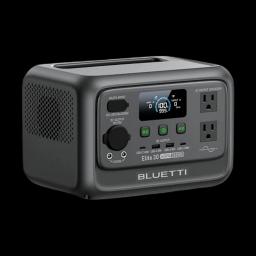
#4 · Wi-Fi and phones
BLUETTI Elite 30 V2
4.5 (1,273)BLUETTI: 288 Wh, 3,000+ cycles, 5-year warranty.
$329.99Buy on Amazon
| Pick | Best for | Ready | Buy |
|---|---|---|---|
 1. Anker SOLIX C1000 Gen 2 4.7 (1,771) | Most homes Anker: 2,000 W, 4,000 cycles to 80%, 60-month warranty. | 73 | $489.99Buy on Amazon |
 2. EcoFlow DELTA 3 Classic 4.7 (1,388) | Value at 1 kWh EcoFlow: 1,800 W, 5 years with app registration. | 78 | $438.90Buy on Amazon |
 3. Jackery Explorer 1000 v2 4.7 (3,726) | Carrying Jackery: about 23.3 lb, 4,000 cycles to 70%, 3+2 years. | 56 | $559.00Buy on Amazon |
 4. BLUETTI Elite 30 V2 4.5 (1,273) | Wi-Fi and phones BLUETTI: 288 Wh, 3,000+ cycles, 5-year warranty. | 53 | $329.99Buy on Amazon |
Key takeaways
- Anker states at least 80% capacity after 4,000 cycles for the C1000 Gen 2; Jackery states over 70% after 4,000 for the Explorer 1000 v2.
- EcoFlow's 5-year warranty includes 2 years that need app registration; Jackery lists 3+2 years.
- All four picks use LiFePO4 cells; Anker, EcoFlow and BLUETTI state a switchover of 10 ms or less.
- Fast charging on Anker and Jackery is switched on in their apps.
The short answer
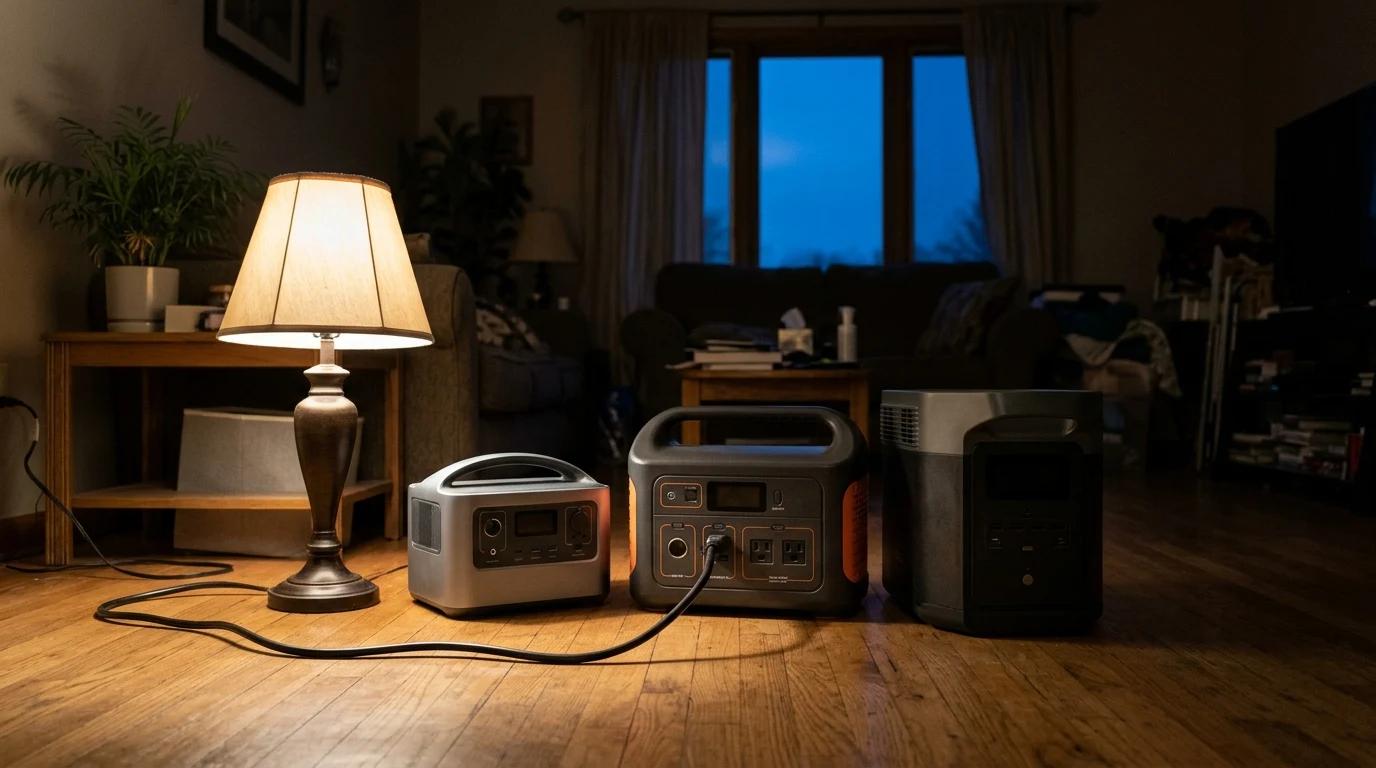
For one power station that carries a fridge through the night, Anker SOLIX has the strongest spec sheet at 1 kWh: the C1000 Gen 2 states 2,000 W of output and at least 80% capacity after 4,000 cycles. EcoFlow sells the same 1,024 Wh for less, Jackery is the lightest of the three, and BLUETTI's pick here is the small one for Wi-Fi and phones.
The brands are closer than their marketing suggests. Every model below uses LiFePO4 cells, and three state a switchover of 10 ms or less. Compare the terms on paper instead.
| Maker-stated | Anker SOLIX C1000 Gen 2 | EcoFlow DELTA 3 Classic | Jackery Explorer 1000 v2 | BLUETTI Elite 30 V2 |
|---|---|---|---|---|
| Capacity | 1,024 Wh | 1,024 Wh | 1,024 Wh | 288 Wh |
| AC output | 2,000 W | 1,800 W | 1,500 W | 600 W |
| Cycle rating | 4,000 to 80% | Not stated; about 10 years | 4,000 to 70% | 3,000+ |
| Warranty | 60 months | 5 years with app registration | 3+2 years | 5 years |
| UPS switchover | Under 10 ms | Under 10 ms | — | 10 ms or less |
| Charging temperature | 32 to 104°F | 32 to 113°F | — | — |
All figures come from each maker's own product, spec or warranty page, linked in the sources. A dash means we could not find the maker stating it. Jackery's capacity and weight come from its Amazon listing; Jackery's US spec page still lists 1,070 Wh and 23.8 lb.
What actually separates them
Cycle ratings are not written the same way
Anker states 80% capacity after 4,000 cycles. Jackery states over 70% after 4,000 cycles, a lower bar for the same count. EcoFlow gives no cycle figure for the DELTA 3 Classic and states a lifespan of about 10 years from internal simulation. BLUETTI states over 3,000 cycles.
For outage backup this matters less than it looks. Even 50 full cycles a year would take decades to reach 4,000, so calendar age and the warranty are the realistic limits. Our LiFePO4 vs lithium-ion guide explains why.
Worth remembering: compare the percentage, not just the cycle count. 4,000 cycles to 80% and 4,000 cycles to 70% are different promises.
Warranty terms have conditions
EcoFlow's 5 years is a 3-year standard warranty plus 2 years once you register the unit in its app. Jackery lists 3+2 years for the 1000 v2. Anker's warranty table lists 60 months for the C1000 Gen 2, for units bought on its own store, so check the card in the box if you buy elsewhere. BLUETTI states a 5-year warranty for the Elite 30 V2.
The app unlocks the headline features
Anker's 49-minute full recharge is HyperFlash, which you enable in the Anker app. Jackery's 50-minute emergency charge also needs its app, and the 1000 v2 otherwise defaults to 1.25 hours to protect the battery. EcoFlow ties its extra two warranty years to app registration. Set the app up when the box arrives, not during the storm.
Output decides what starts
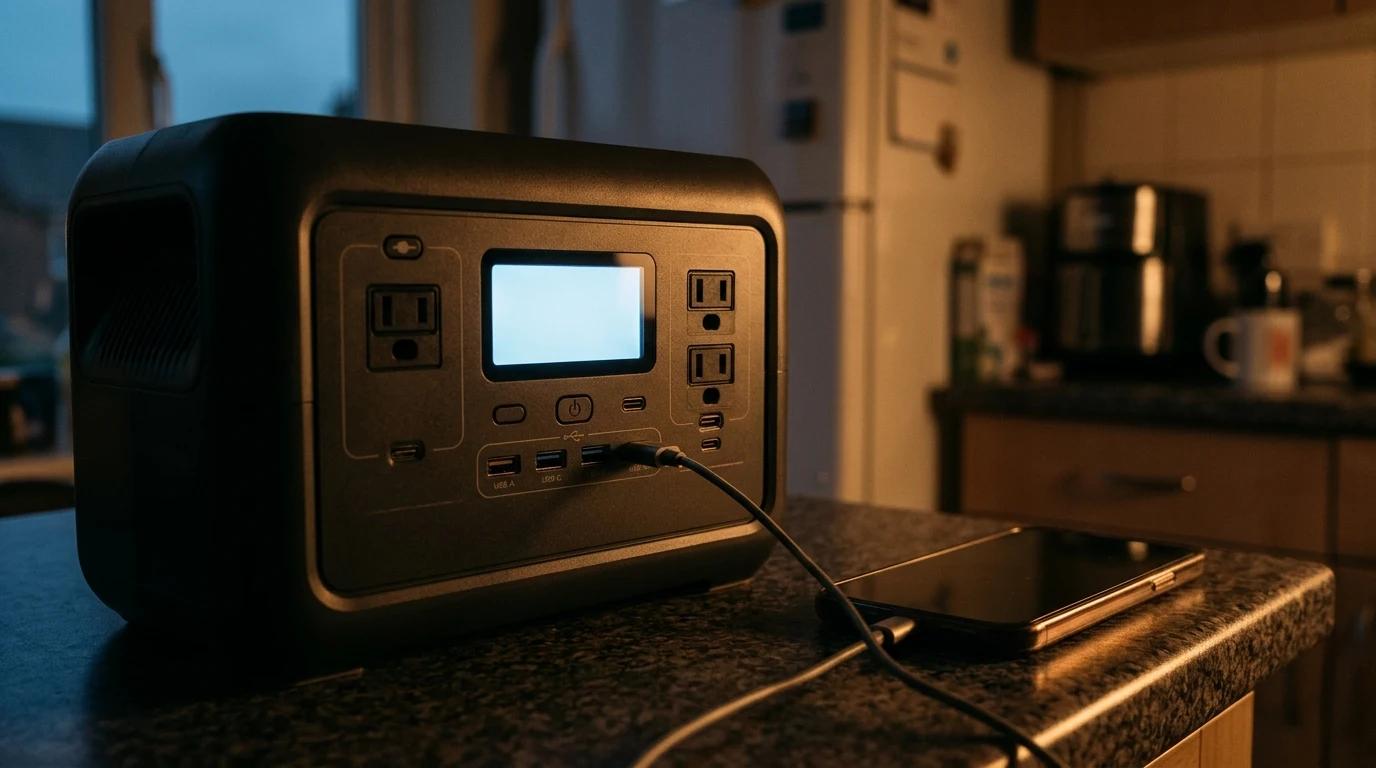
Champion puts a refrigerator's start at up to 1,200 W, and all three 1 kWh stations clear that. The gap shows when two loads overlap. A microwave at up to 1,200 W plus a running fridge at up to 400 W, both Champion's figures, makes 1,600 W: inside the Anker's 2,000 W and EcoFlow's 1,800 W, over Jackery's 1,500 W. The BLUETTI's 600 W keeps it to small loads.
Solar lock-in
Jackery's listing says the Explorer 1000 v2 works only with Jackery panels for solar charging. Renogy, for its part, lists the 1000 v2 as compatible with its 200 W panel through an adapter sold separately. EcoFlow and Anker stations take standard panels within their input limits. If you already own panels, check the connector before you pick a brand.
Recharge speed, as each maker states it
| Maker-stated | Wall recharge | Condition |
|---|---|---|
| Anker C1000 Gen 2 | Full in 49 minutes | HyperFlash, switched on in the app |
| EcoFlow DELTA 3 Classic | 0 to 80% in 45 minutes | X-Stream AC charging |
| Jackery Explorer 1000 v2 | Full in 50 minutes | Emergency mode in the app; 1.25 hours by default |
| BLUETTI Elite 30 V2 | 0 to 80% in 45 minutes, full in 70 | Wall charging |
Fast recharge earns its keep when the grid flickers back for an hour mid-outage. On solar, Anker states a full charge in 1.8 hours from 600 W of panels.
One small number is worth knowing on the BLUETTI: BLUETTI states standby draw as low as 4.5 W, about 108 Wh a day if you leave it on with nothing plugged in. Switch AC off between uses on any station.
Brand by brand
1. Anker SOLIX C1000 Gen 2 — $489.99 — Best for most homes
The strongest 1 kWh spec sheet: 2,000 W, the 80% cycle promise and a fast recharge. It is our top-ranked station, and the best power station guide covers it in depth.
2. EcoFlow DELTA 3 Classic — $438.90 — Best value at 1 kWh
The same stored energy for less. EcoFlow states 0 to 80% in 45 minutes on AC and charging up to 113°F, above Anker's stated 104°F. Register it in the app to get the full 5 years.
3. Jackery Explorer 1000 v2 — $559.00 — Best for carrying
Jackery's listing states about 23.3 lb, the lightest of the three. Its 1,500 W output is the lowest, though still enough to start a fridge.
4. BLUETTI Elite 30 V2 — $329.99 — Best for Wi-Fi and phones
BLUETTI's 288 Wh keeps a router going about 12 hours at Champion's 20 W figure, once you apply the 0.85 factor Jackery publishes. Its 600 W output keeps it to small loads.
If you want to grow into home backup
Each brand also sells expandable systems. EcoFlow states the DELTA 3 Max Plus grows from 2 kWh to 10 kWh, and the DELTA Pro 3 to 48 kWh at 120/240 V. Jackery states the HomePower 3600 Plus expands to 21 kWh per unit. Anker sells the SOLIX F3800 Plus with a Home Power Panel, which it says a licensed electrician must install. Starting with the brand you plan to grow with saves buying a second ecosystem later. The home backup battery picks compare them.
Rule of thumb: choose the station that fits tonight's outage, then the brand whose bigger system you would actually buy.
Which brand fits you
- One station for a fridge overnight
- Anker SOLIX C1000 Gen 2
- 2,000 W and the strongest stated cycle rating.
- The same job for less
- EcoFlow DELTA 3 Classic
- Same 1,024 Wh; register it for 5 years.
- You carry it between rooms or to a car
- Jackery Explorer 1000 v2
- Lightest stated weight of the three.
- Only Wi-Fi and phones
- BLUETTI Elite 30 V2
- 288 Wh runs a router about 12 hours.
- You will grow into whole-circuit backup
- Jackery HomePower 3600 Plus
- 3,584 Wh now, 21 kWh per unit as Jackery states.
Questions people ask
Is EcoFlow or Jackery better?
At 1 kWh, EcoFlow's DELTA 3 Classic states more output, 1,800 W against 1,500 W, and a wider charging temperature range. Jackery's Explorer 1000 v2 is lighter and states a cycle rating, 4,000 cycles to 70%, where EcoFlow gives a lifespan of about 10 years instead.
Is Anker SOLIX better than Jackery?
On paper, at 1 kWh, yes: the C1000 Gen 2 states 2,000 W and 80% capacity after 4,000 cycles, against 1,500 W and 70% for the Explorer 1000 v2. Jackery is about 1.5 lb lighter.
What about BLUETTI vs Jackery?
Our BLUETTI pick is the 288 Wh Elite 30 V2, which states over 3,000 cycles and a 5-year warranty. It is for routers and phones, not a fridge, so it competes with small Jackery units rather than the 1000 v2.
Do I need the app?
For the full features, yes. Anker's fastest recharge and Jackery's emergency charge are switched on in their apps, and EcoFlow's extra 2 warranty years need app registration.
Sources for this guide
- Anker SOLIX: C1000 Gen 2 product page and specifications
- Anker SOLIX: refund and warranty policy, with the warranty timeline table
- EcoFlow: DELTA 3 Classic specifications
- Jackery: Explorer 1000 v2 product page
- BLUETTI: Elite 30 V2 product page
- Champion: generator wattage chart
- Jackery: what is a watt-hour, the 0.85 working-time formula
Outage Ready Editorial
We work out the arithmetic and read the maker and agency pages so you do not have to. About us.
Read next
Best Power Station for a Power Outage: Sized for Real Nights
About 1,000 Wh runs a fridge for about 10 hours, and the Anker SOLIX C1000 Gen 2 is the one most homes should buy.
5 min read
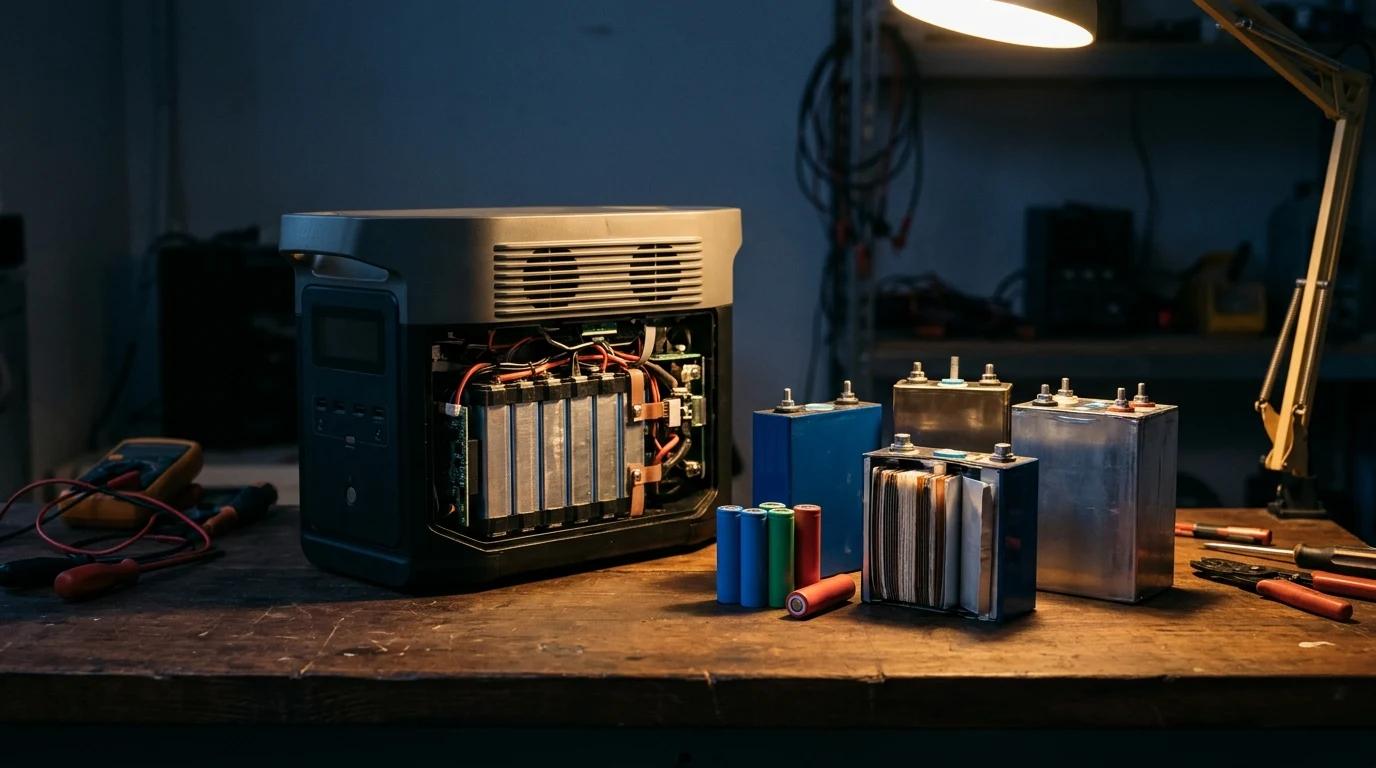
LiFePO4 vs Lithium-Ion Power Stations: Which Lasts Longer?
LiFePO4 wins on stated cycle life by a wide margin, the weight penalty has nearly gone, and neither chemistry charges below freezing.
5 min read
What Size Power Station Do I Need? The Simple Arithmetic
Multiply watts by hours, divide by 0.85, and you have your size. A fridge for a day takes about 2,400 Wh.
5 min read