Guide
Power Outage Kit Checklist: Starter, Household, Full
Outage Ready Editorial · Updated November 16, 2026 · 5 min read
Quick answer
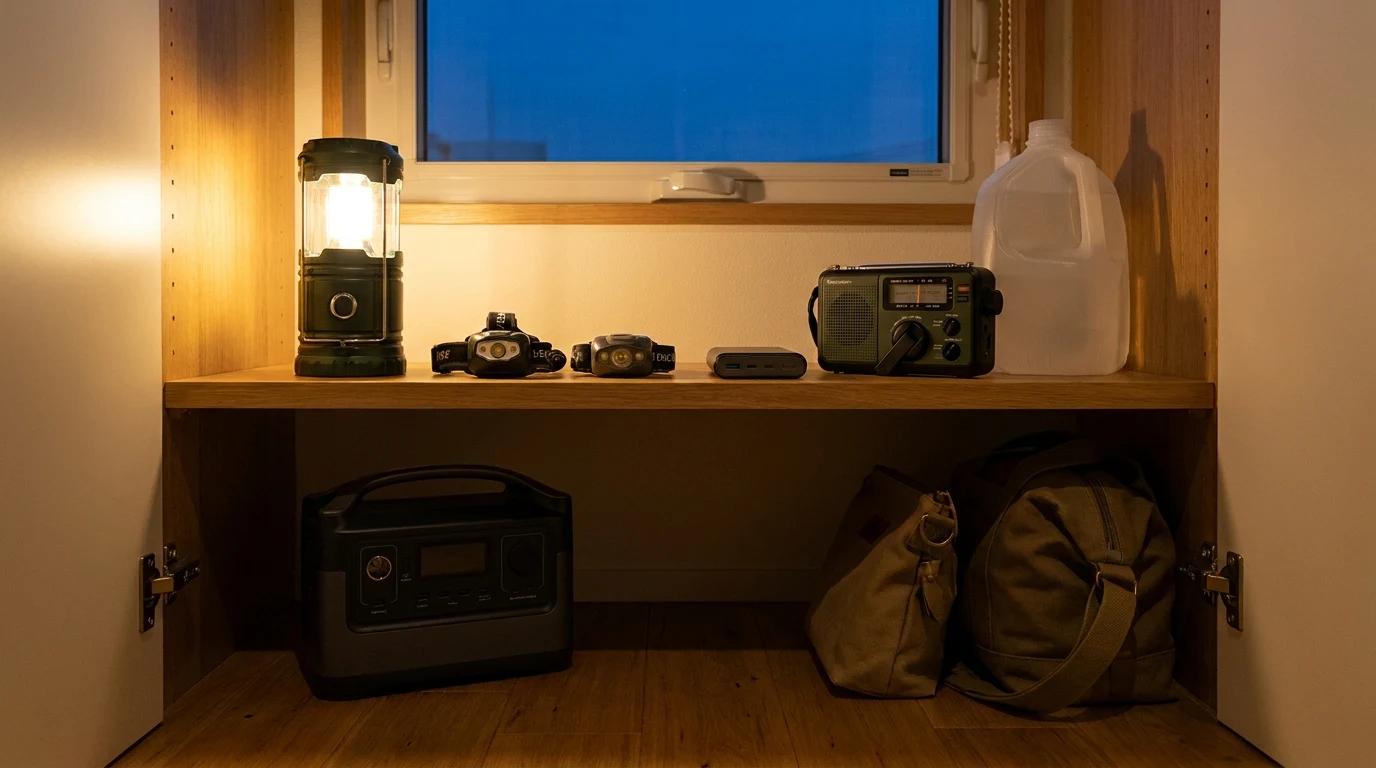
The best power outage kit is one you build yourself: start with light, phone power and a carbon monoxide alarm, add water, a radio and cooking, and buy a power station last.
#1 · Hands-free light
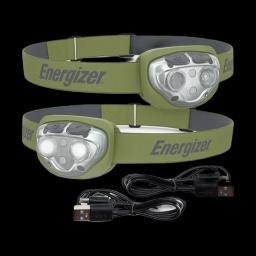
Energizer PRO-400 Rechargeable Headlamp, 2-Pack
4.5 (3,531)Two lamps, one for each adult.
$22.44Buy on Amazon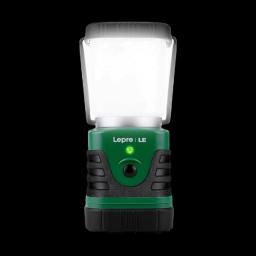
#2 · Room light
Lepro 1000LM Rechargeable Camping Lantern
4.6 (33,617)Warm light with a USB output.
$26.13Buy on Amazon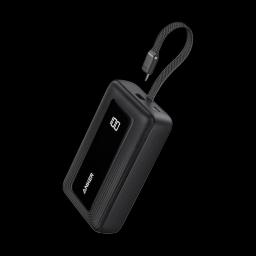
#3 · Phone power
Anker Zolo 20,000mAh 30W
4.4 (14,955)20,000 mAh with a built-in cable.
$32.99Buy on Amazon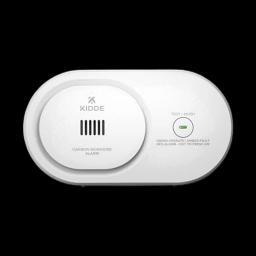
#4 · Carbon monoxide alarm
Kidde COB Battery CO Alarm
4.6 (428)Runs on two AA batteries.
$24.97Buy on Amazon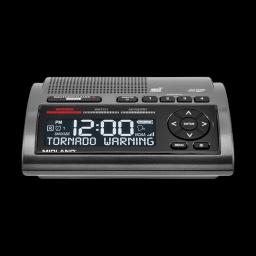
#5 · News and alerts
Midland WR400 Deluxe Weather Alert Radio
4.5 (4,653)NOAA alerts, with four AA cells as backup.
$99.00Buy on Amazon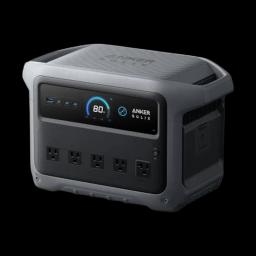
#6 · Running a fridge
Anker SOLIX C1000 Gen 2
4.7 (1,771)1,024 Wh, about 10 hours of fridge.
$489.99Buy on Amazon
| Pick | Best for | Ready | Buy |
|---|---|---|---|
 1. Energizer PRO-400 Rechargeable Headlamp, 2-Pack 4.5 (3,531) | Hands-free light Two lamps, one for each adult. | 54 | $22.44Buy on Amazon |
 2. Lepro 1000LM Rechargeable Camping Lantern 4.6 (33,617) | Room light Warm light with a USB output. | 80 | $26.13Buy on Amazon |
 3. Anker Zolo 20,000mAh 30W 4.4 (14,955) | Phone power 20,000 mAh with a built-in cable. | 63 | $32.99Buy on Amazon |
 4. Kidde COB Battery CO Alarm 4.6 (428) | Carbon monoxide alarm Runs on two AA batteries. | 63 | $24.97Buy on Amazon |
 5. Midland WR400 Deluxe Weather Alert Radio 4.5 (4,653) | News and alerts NOAA alerts, with four AA cells as backup. | 56 | $99.00Buy on Amazon |
 6. Anker SOLIX C1000 Gen 2 4.7 (1,771) | Running a fridge 1,024 Wh, about 10 hours of fridge. | 73 | $489.99Buy on Amazon |
Key takeaways
- A starter kit is four items: light, phone power and a CO alarm.
- A household kit adds a radio, water, cooking, a fan and batteries.
- A full kit adds a 1,024 Wh power station and a 55-gallon water barrel.
- That station runs a fridge for about 10 hours, or a router for about 43.
- Ready.gov says to store at least one gallon of water per person per day.
The short version
The best power outage kit is one you build yourself, starting with light, phone power and a carbon monoxide alarm, then adding water, a radio and cooking, and finally a power station. Those are the steps in the three builds below, from a small starter set to a kit built around a power station.
| Kit | What it adds | Items |
|---|---|---|
| Starter | Light, phone power, CO alarm | 4 |
| Household | Radio, water, cooking, fan, batteries | 10 |
| Full | A 1,024 Wh power station and a 55-gallon water barrel | 11: 1 swapped, 1 added |
Prices move, so we do not print a kit total. The current price for each item appears in the tables below.
Before you buy anything
Walk through your house and check what you already own. A working flashlight counts, and so do clean containers for water. Then answer two questions.
- Does anyone rely on powered medical equipment? Ready.gov asks households to plan ahead for this. Start there, because it may change your whole budget.
- Does your home use fuel-burning appliances, or will you run a generator? If so, the CO alarm comes first.
Our kit builder turns those answers into an ordered list.
The starter kit
This covers the common outage: a few hours to a night, in any season.
| Item | Pick | Price | Job |
|---|---|---|---|
| Room light | Coast EAL30R | $20.62 | Lights the table |
| Hands-free light | Energizer PRO-400 2-pack | $22.44 | One for each adult |
| Phone power | Anker Zolo 20,000 mAh | $32.99 | Keeps phones going |
| CO alarm | Kidde COB | $24.97 | Runs on 2 AA cells |
Ready.gov tells households to have flashlights for every member, and to install CO detectors with battery backup in central locations on every level of the home. One alarm is a start, so add more if you have more floors.
For water, fill clean containers you already own. Ready.gov says to store at least one gallon per person per day for several days.
Starter rule: buy the light and the alarm first; everything else can wait a month.
The household kit
This covers a day or two, including a storm when you need news and a hot meal. It swaps the Coast for the Lepro and adds six items.
| Item | Pick | Price | Job |
|---|---|---|---|
| Room light | Lepro 1000LM | $26.13 | Warm light, and a USB port |
| Hands-free light | Energizer PRO-400 2-pack | $22.44 | One for each adult |
| Hall light | Energizer Auto-On | $11.04 | Lights itself when power fails |
| Phone power | Anker Zolo | $32.99 | Keeps phones going |
| CO alarm | Kidde COB | $24.97 | Runs on 2 AA cells |
| News and alerts | Midland WR400 | $99.00 | Wakes you for warnings, with AA backup |
| Water | Scepter 5-gallon cans, 4-pack | — | 20 gallons in carryable cans |
| Cooking | Gas One GS-3400P | — | Outdoors only |
| Batteries | eneloop charger pack | $28.99 | Runs the alarm and more |
| Airflow | Koonie 8-inch clip fan | $35.99 | Clamps to the bed |
Twenty gallons covers a family of four for five days at Ready.gov's gallon per person a day. Use the stove outdoors: CDC warns that carbon monoxide comes from combustion fumes such as those from stoves. Skip the fan if your outages come in winter, and put that money toward a second alarm.
The full kit
This is where a fridge comes into it. The household kit stays, except that a 55-gallon barrel replaces the cans, and a power station arrives.
| Item | Pick | Price | Job |
|---|---|---|---|
| Power station | Anker Solix C1000 Gen 2 | $489.99 | Runs the fridge and Wi-Fi |
| Water | Augason Farms 55-gallon barrel | $179.99 | About two weeks for a family of four |
Anker states 1,024 Wh. Multiply by our 0.85 factor and you get about 870 Wh to spend, which runs a fridge for about 10 hours at the 86 W cycling average our Runtime Calculator uses, or a 20 W router and modem for about 43 hours. Run both at once and you get about 8 hours. That is a good night, not a week, so check what size you need if your outages run longer.
Full-kit rule: the fridge is what you pay for here, so size the station to it.
How to buy it without overspending
You do not need to buy any of these kits in one go. The order below keeps you safe at every step, so stopping early still leaves you better off.
- The CO alarm, especially if a generator or fuel-burning heater is in your plans.
- Light for each person, including the hands-free pair.
- Phone power, since your phone is your link to outage news and to other people.
- Water, which is the cheapest item per day of safety if you reuse clean containers.
- A radio, for when cell service is unreliable.
- Cooking and comfort, such as the stove and the fan.
- The power station, last, once you know what you actually want it to run.
Prices at the top end change the arithmetic more than anything else here. The power station is by far the largest single cost in the full kit, so check that a fridge is truly what you want to protect. If a few hours is your usual outage, CDC's 4-hour fridge guideline and a closed door may cover you with no station at all, and the household kit is the sensible place to stop.
What we left out, and why
- Premade kits: you pay for filler and rarely get the items above in the quality you want.
- A generator: a real option for long outages, but it brings fuel, noise and a 20-foot rule. See power station vs generator.
- A water filter: storing water is cheaper and simpler for most homes. Add one if you rely on a well or have natural water nearby, from the filter picks.
Keep it working
- Charge the lantern, headlamps and power bank every few months
- Test the CO alarm according to the maker's instructions, and note its replacement date
- Refresh stored water on the schedule the container maker or Ready.gov gives
- Keep everything in one place you can reach in the dark
Which kit fits you
- Outages of a few hours, once or twice a year
- Starter kit
- Light, phone power and a CO alarm cover the common case.
- Storm season, and a day or two without power
- Household kit
- Adds news, water and hot food.
- You want the fridge and Wi-Fi to keep running
- Full kit
- Only a power station does that without fuel.
- Someone relies on powered medical equipment
- Start with the backup plan tool
- That need changes the order of everything else.
Questions people ask
What should be in a power outage kit?
Light for each person, phone power, a battery carbon monoxide alarm, stored water, a battery radio and a way to cook outdoors. A power station comes next if you want a fridge to keep running.
How much water should I store for a power outage?
Ready.gov says at least one gallon per person per day for several days, for drinking and sanitation.
Is it worth buying a premade emergency kit?
Usually not. Building your own means you pay only for what you lack, and you know each item works.
Sources for this guide
Outage Ready Editorial
We work out the arithmetic and read the maker and agency pages so you do not have to. About us.
Read next
What to Do When the Power Goes Out: First-Hour Checklist
A calm, ordered first hour: light, breaker, fridge door, surge protection, then a plan for food, heat and medical devices.
5 min read
Best Power Station for a Power Outage: Sized for Real Nights
About 1,000 Wh runs a fridge for about 10 hours, and the Anker SOLIX C1000 Gen 2 is the one most homes should buy.
5 min read